
A good TIG welder for home use is an inverter power source that runs 110V or 220V, reaches 140 to 225 amps, and puts a controllable arc on thin stainless, mild steel and, if it has AC output, aluminum. For most garages, a 200A AC/DC machine with pulse and a foot pedal is the sweet spot. We spent weeks reading spec sheets, owner reports and forum threads to narrow ten candidates down to the ones worth your bench space in 2026.
That is the honest answer, and it is also the one most shopping guides skip. Plenty of machines are advertised as TIG welders. Far fewer are built for the way a home shop actually works, where one outlet might be all you have, where the machine has to be moved to the car for a repair, and where the projects are exhaust tips, a motorcycle tank, a gate, and the occasional aluminum trailer repair.
Our method was straightforward. We ranked the candidates on the five things that decide whether a home shop owner is happy six months in: real AC/DC capability, output amperage against the material you will actually put in front of it, duty cycle, whether the package includes a foot pedal and argon regulator, and how the machine behaves on 110V versus 220V. We also weighted long-term owner reports heavily, because a machine that fails in year two costs more than the difference between two price tiers.
Over the last few years we have compared welders across a lot of benches, and the pattern with TIG is consistent: the sticker tells you very little. The included torch, the low-amperage floor, and whether the pedal has real linearity matter more to how a project turns out than the headline amp number. If you want a different welding process compared on the same basis, our MIG welder picks cover the flux-cored side of the shop.
Table of Contents
Top 3 TIG Welders for Home Shops in 2026

PRIMEWELD TIG225X
- 225A AC/DC TIG and Stick
- Pulse TIG at 200 Hz
- CK Worldwide Superflex torch included
- 110/220V dual voltage
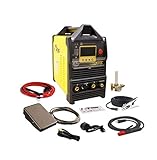
AHP AlphaTIG 203Xi
- 203A AC/DC TIG and Stick
- 100 percent duty cycle at 155A
- HV solid-state arc start
- Regulator and foot pedal included

Weldpro 200A AC/DC
- Five-in-one process coverage
- 0.5-200 Hz pulse range
- Auto 110V/220V switching
- Full accessory kit in the box
Our top three all solve the same core problem in different ways. The PRIMEWELD TIG225X is the one we would put in a shop that wants to weld aluminum and 4130 chromoly without thinking about it. The AHP AlphaTIG 203Xi is the smarter buy when the accessory package matters and you are running on a 30A circuit. The Weldpro 200A AC/DC is the one that collapses five processes into one box and never complains about a menu.
Best TIG Welders for Home Shops (October 2026)
| Product | Specifications | Action |
|---|---|---|
| PRIMEWELD TIG225X |
|
Check Latest Price |
| AHP AlphaTIG 203Xi |
|
Check Latest Price |
| Weldpro 200A AC/DC |
|
Check Latest Price |
 Everlast PowerTIG 200DV Everlast PowerTIG 200DV |
|
Check Latest Price |
 LOTOS TIG200ACDC LOTOS TIG200ACDC |
|
Check Latest Price |
 S7 200A TIG and Stick S7 200A TIG and Stick |
|
Check Latest Price |
 Sunstac 250A AC/DC Pulse Sunstac 250A AC/DC Pulse |
|
Check Latest Price |
 YESWELDER TIG-205P YESWELDER TIG-205P |
|
Check Latest Price |
 ARCCAPTAIN TIG200 ARCCAPTAIN TIG200 |
|
Check Latest Price |
 TOOLIOM 200A TIG TOOLIOM 200A TIG |
|
Check Latest Price |
Read the table across rather than down. Two of these machines weld aluminum and eight do not, and that single column decides more projects than the amperage figure does. If aluminum or magnesium is anywhere in your plan, cross out the DC-only units before you read another word of spec sheet.
1. PRIMEWELD TIG225X 225A AC/DC TIG and Stick with Pulse and CK Torch
PRIMEWELD TIG225X 225 Amp IGBT AC DC Tig/Stick Welder with Pulse CK17 Flex Torch and Cable
225A AC/DC TIG and Stick
Pulse TIG at 200 Hz
CK Worldwide Superflex torch
110/220V input
Pros
- Handles 1/4 inch aluminum and 3/8 inch mild steel
- Premium CK Worldwide Superflex torch and hose in the box
- Both hand torch control and foot pedal heat control
- Adjustable pulse frequency and AC frequency
- 4.8 average across 1426 reviews
Cons
- Heavy at roughly 90 pounds and awkward to move alone
- Advanced pulse and AC controls take time to learn
This is the machine we keep coming back to. The TIG225X is a 225A AC/DC unit with pulse, and the rating it carries across 1426 reviews is the highest in this group by a comfortable margin. Roughly 90 percent of those ratings are five stars, which is unusual for a machine in any welding category.
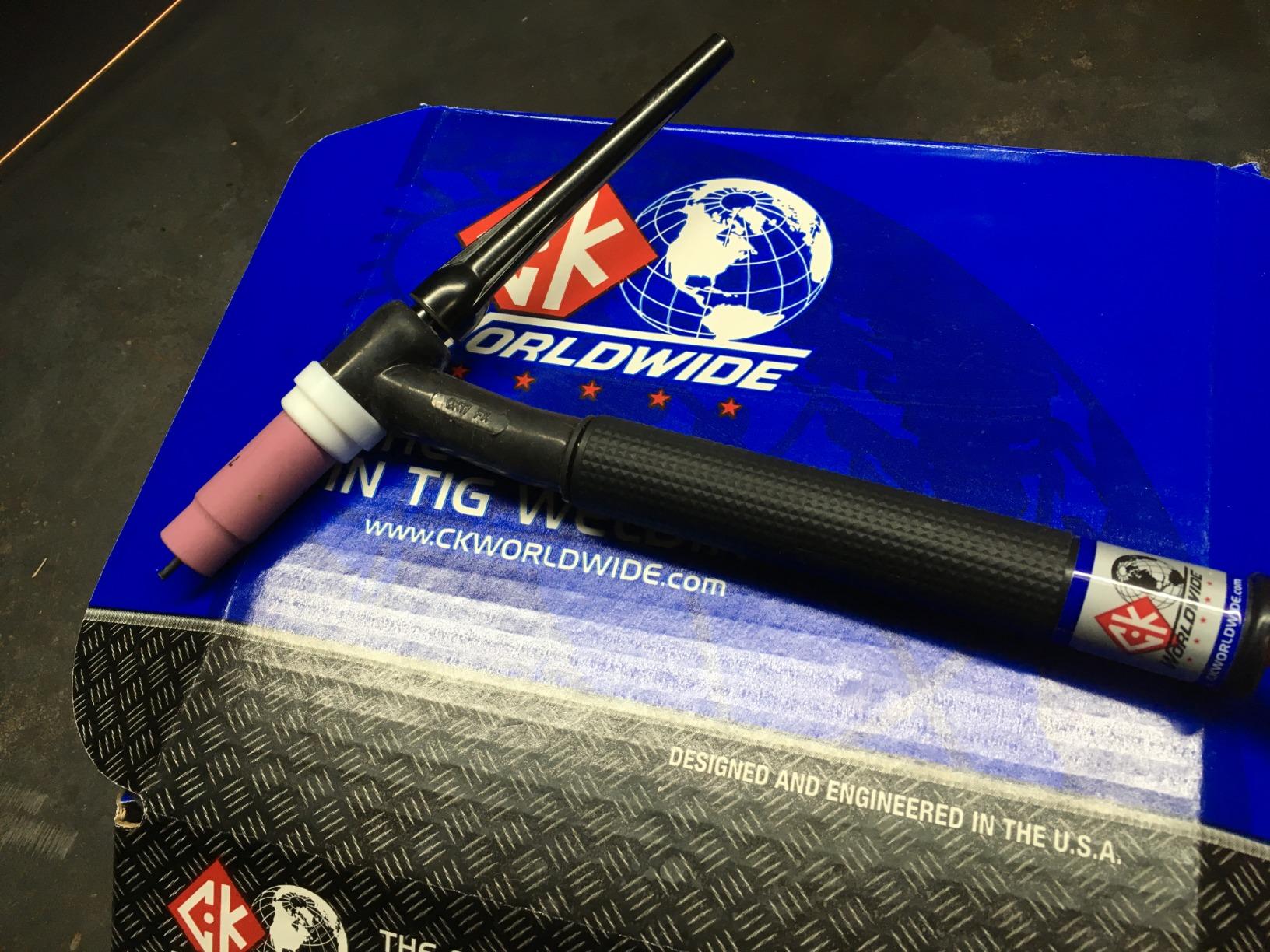
What makes it work in a home shop is the combination of pulse control and the CK Worldwide 17 Series Superflex torch. That torch is the part most budget machines cheap out on, and welders on grassrootsmotorsports.com consistently treat the CK as the quality signal that justifies a machine. The flex head and hose let you get into awkward positions without fighting a stiff lead.
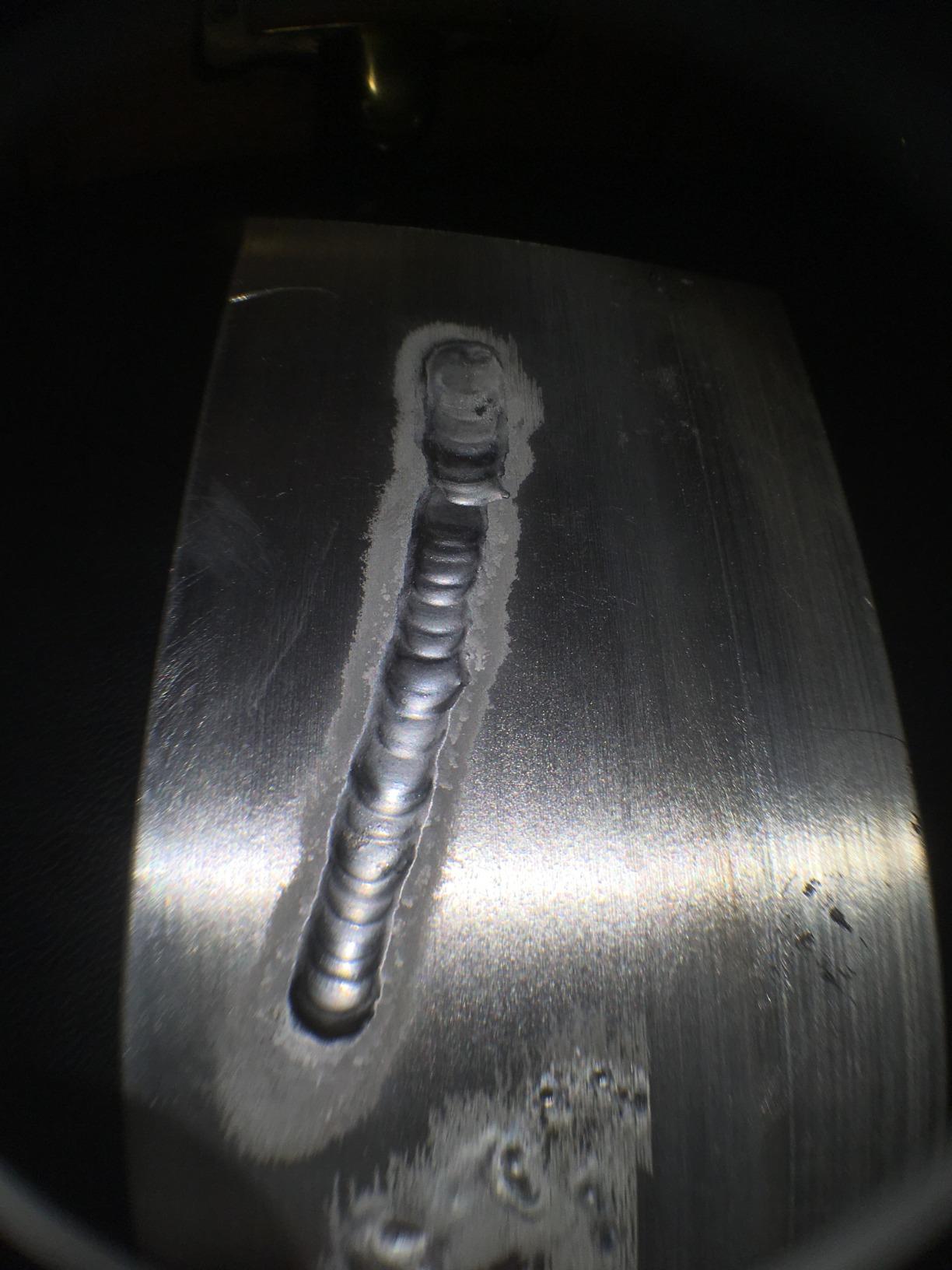
On the bench, the 200 Hz pulse frequency and adjustable AC balance and AC frequency give you real control over aluminum. AC is what breaks up the oxide layer on aluminum, so this is the spec that matters if you ever plan to fix a trailer, a snow plow, or a cast aluminum housing. The 110/220V capability means you can start on a household circuit and move to 220V when the panel allows it.
We were skeptical of the 3/8 inch mild steel claim until we saw the foot pedal response. The heat control is linear enough that you can feather into a puddle and hold it there, which is the difference between a bead that needs grinding and one that does not. IGBT inverter technology with pulse width modulation handles the arc stability on thin material particularly well.
Who should buy the TIG225X
Buy this one if aluminum, stainless or chromoly shows up in your project list and you want a single machine that covers all three. It is the pick for a shop that has outgrown a DC-only inverter and does not want to keep two machines on the bench.
It is also the right answer for anyone who welds 4130 chromoly or 5052 aluminum regularly, where pulse control and clean AC balance are not optional. Owners on r/Welding repeatedly single this model and the AHP 203 as the two that cover the most ground in the mid tier.
Where it falls short
The weight is the honest drawback. At roughly 90 pounds, this is not a machine you carry to a neighbor’s driveway without planning for it. If your welding happens in more than one location, a lighter portable unit or a machine on a cart is the better setup.
The pulse and AC settings also have a learning curve that a first-time TIG operator will feel in the first hour. Budget a weekend of practice coupons before you put the torch on anything you care about. If you want the controls simplified and would rather spend the difference elsewhere, compare it against the AHP AlphaTIG.
2. AHP AlphaTIG 203Xi 203A AC/DC TIG and Stick with Pulse
NEW 2024 AHP AlphaTIG 203Xi Amp IGBT AC DC Tig/Stick Welder with PULSE 110/220v 3 YEARS WARRANTY
203A AC/DC TIG and Stick
100 percent duty at 155A
HV solid-state start
Regulator and foot pedal included
Pros
- 100 percent duty cycle at 155 amps
- Regulator and Nova foot pedal included in the box
- Rotaflex torch with adjustable head and quick connect
- HV solid-state start removes the point gap
- Three-year warranty
Cons
- 10 amp minimum makes very thin stainless difficult
- On 120V the knob and readout disagree
- Will not run 6010 electrodes
Most of what makes a TIG machine pleasant to own is in the box, and the AlphaTIG 203Xi ships with more of it than anything else here. You get a Rotaflex 9/17 TIG torch with a 9mm quick connect, a Nova foot pedal with a 25 foot cord, a floating ball type billet brass argon regulator, a 250A stick holder, a work clamp and a 240V to 120V plug adapter.
That completeness is why this one is the value pick. On r/Welding the recurring line about this tier is that the AHP 203 comes with almost everything you need out of the box, and one r/metalworking owner describes having run one for years where it still welds better than the operator. That is the standard a home shop should hold a machine to.
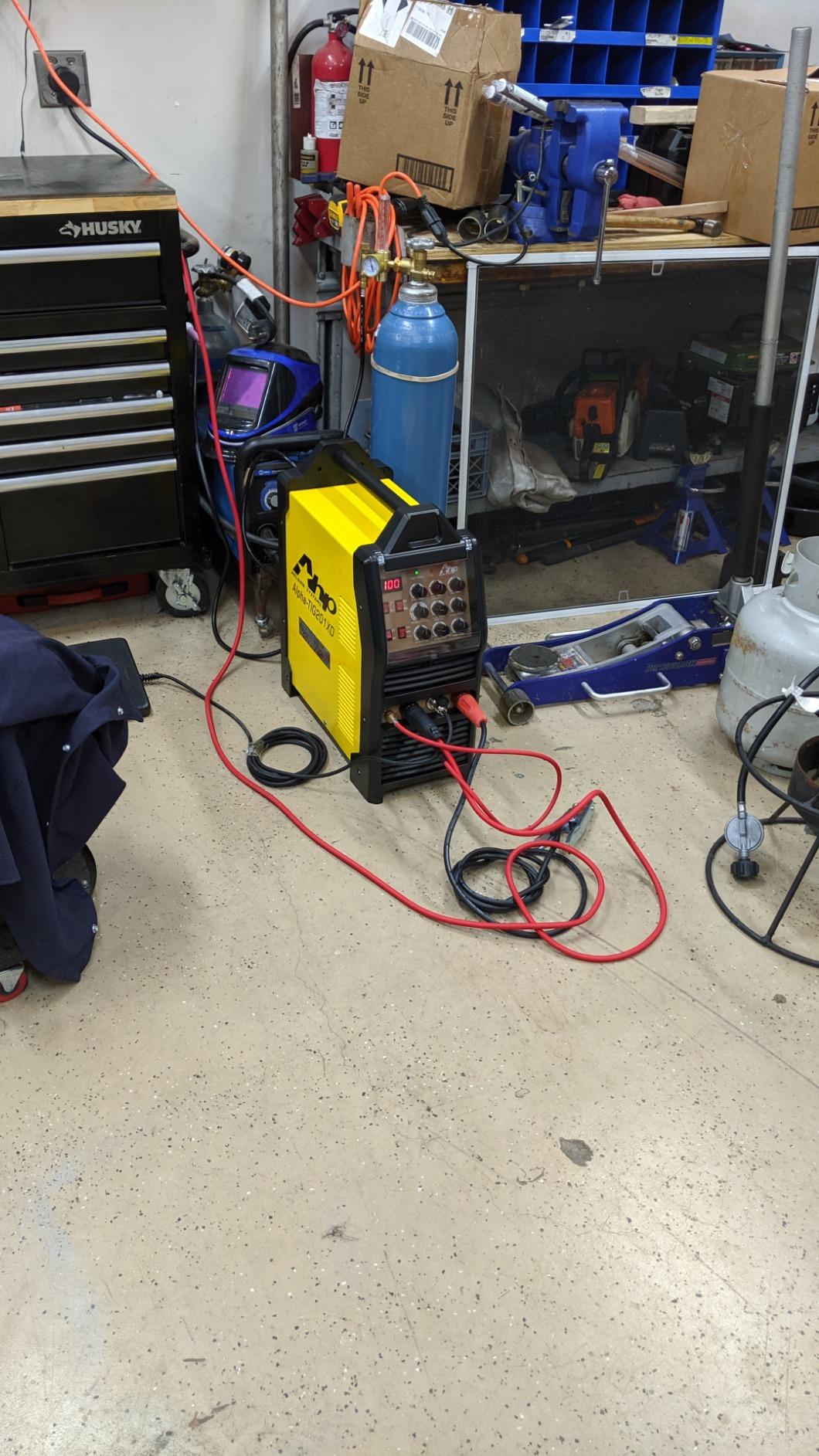
The duty cycle is where it separates from the pack. Owner reports put it at 100 percent at 155 amps, and that number matters more in a garage than the 203A headline suggests. A machine that holds a steady arc through a long stainless exhaust build without tripping is worth more than one with a bigger maximum it never reaches. On a 220V circuit it welds 1/4 inch aluminum and 3/8 inch mild steel.
The latest revision added HV start, an electronic solid-state arc start with no point gap to manage. Older units that require a point gap create an obvious beginner failure: the user cannot strike an arc, does not know why, and blames the machine. Removing that maintenance point is a quiet but real improvement for anyone learning.
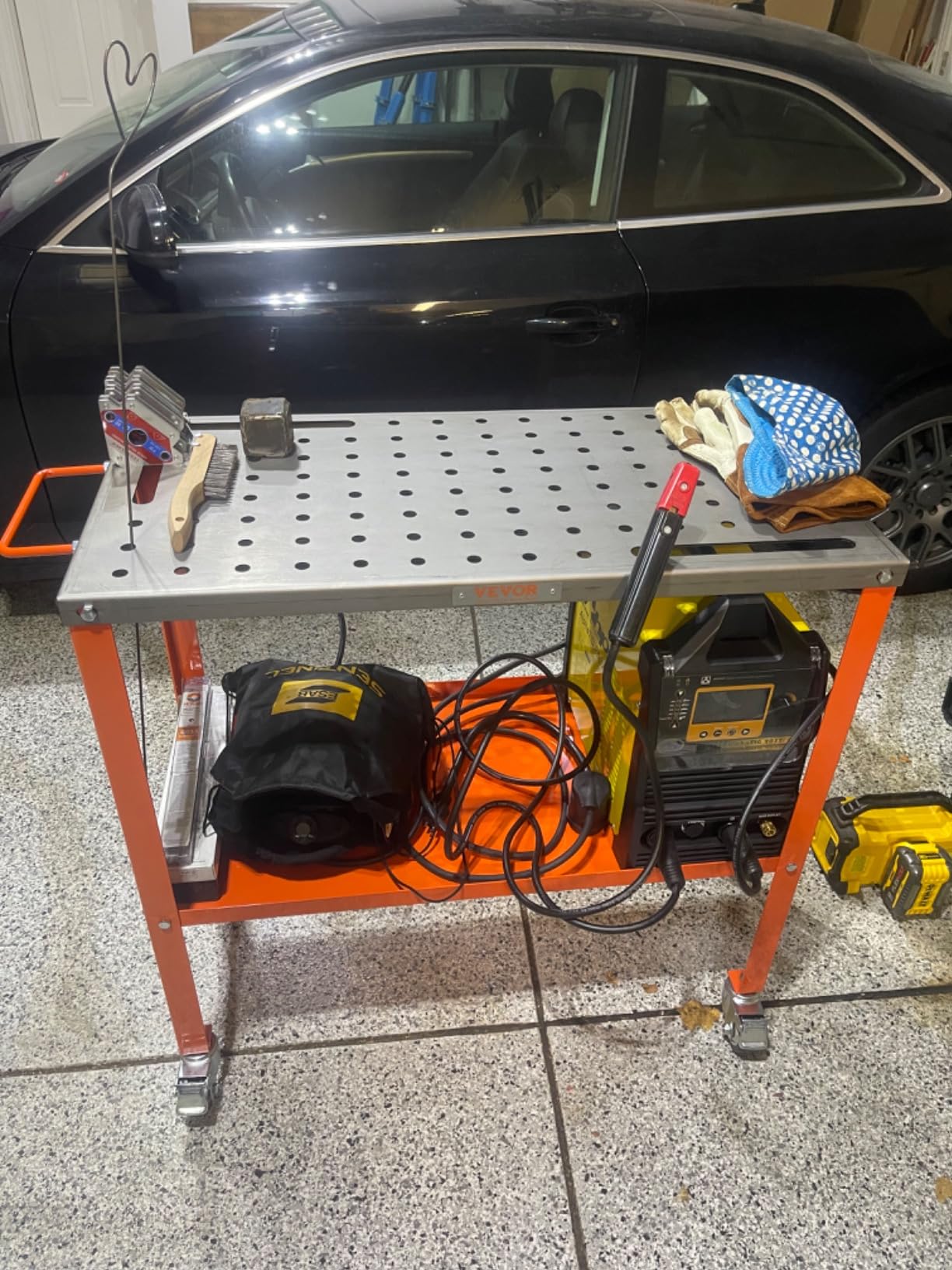
Who should buy the AlphaTIG 203Xi
This is the one for a self-taught buyer who wants a complete, reliable package and plans to learn on stainless and mild steel first, then add aluminum. The included regulator and pedal remove the two purchases that trip up first-time owners.
It is also the better choice if your garage has a 30A 220V circuit available but not a 50A one. Long-term owners consistently report stronger performance on 220V than on the 120V adapter path, so plug it into the big circuit when you can.
Where it falls short
The 10 amp minimum output is a real limitation on very thin-gauge stainless and foil-like material. If your work is 0.5mm sheet or lighter, the arc will wander because the machine cannot hold the low amperage the material needs. An Everlast with a 5A start handles that work better.
There are also two smaller annoyances worth knowing before you buy. On 120V the control knob and the digital readout do not always agree, and the machine does not cap its amperage, which can surprise a new user. The included ground clamp connection also loosens quickly, so budget a replacement clamp.
3. Weldpro 200A AC/DC TIG with Pulse and Full Accessory Kit
Weldpro 200A AC/DC TIG Welder with Pulse, 110V/220V Dual Voltage Aluminum TIG Welder, AC TIG/DC TIG/AC PULSE TIG/DC PULSE TIG/Stick 5 in 1 Multiprocess Welding Machine with TIG Torch & Foot Pedal
200A AC/DC with five processes
0.5-200 Hz pulse range
40 percent duty at 200A
61.8 lb chassis
Pros
- Five-in-one covering AC TIG DC TIG and both pulse types
- 0.5-200 Hz pulse frequency with upslope and downslope
- Automatic 110V/220V switching
- Fully loaded accessory kit including pedal and flow meter
- Large HD LED display readable in low light
Cons
- Lighter variant is still nearly 62 pounds
- Control panel can feel cluttered for a first-time user
The Weldpro 200A AC/DC is the box you buy when you want one machine to cover everything and you do not want to think about process mode names. It runs high-frequency AC TIG, DC TIG, AC pulse TIG, DC pulse TIG and stick, in a single chassis with a 40 percent duty cycle at full 200A output.
The pulse controls are unusually deep for this class. You get a 0.5 to 200 Hz frequency range, adjustable peak amperage, upslope and downslope settings, and both 2T and 4T trigger modes. That combination is what lets you control heat on thin aluminum or stainless rather than simply turning the amperage knob and hoping.
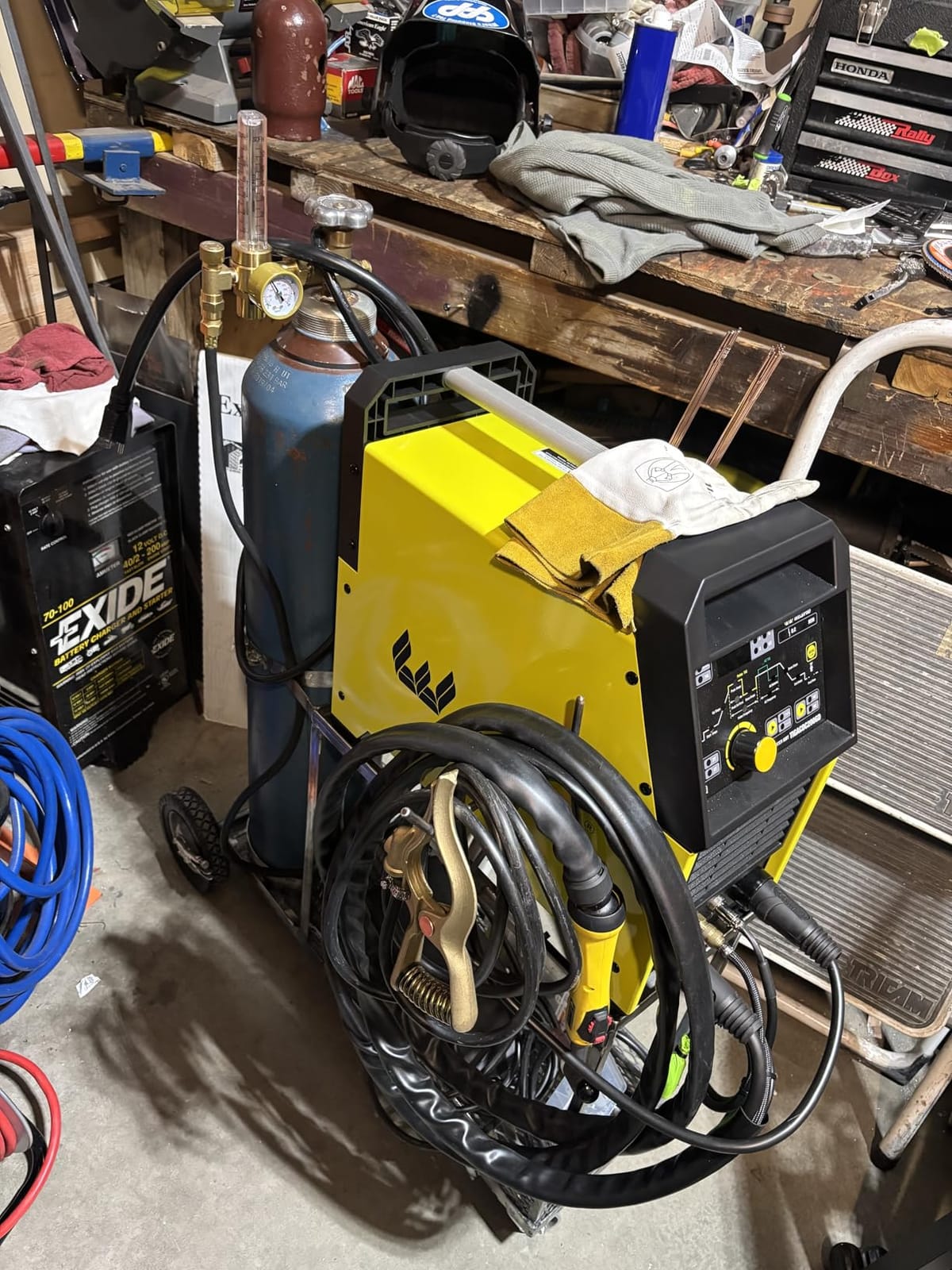
Automatic dual voltage detection is a quietly important feature. Nothing about the machine needs to change physically when you move from a 110V household outlet to a 220V circuit, which removes a class of user error entirely. Weldingweb.com advice for this market is consistent on one point: if the machine can grow into 240V capability, buy that version.
The package is complete out of the box. You get the TIG torch, a rocker-style foot pedal, a 300A ground clamp, a stick electrode holder, gas hose, flow meter, tungsten electrodes, ceramic nozzles, collets and back caps. Fewer missing pieces means fewer first-week trips to a welding supply shop.
Who should buy the Weldpro 200A
Buy it if your shop touches aluminum and stainless and you want pulse, spot-level control and stick capability in a single unit. The HD LED display stays readable in a dim garage, which matters more than it sounds when you are working alone in the evening.
It is also a good fit for someone who plans to grow into a machine. The five processes mean a future MIG or plasma addition is not forced, and the deep pulse controls give you room to learn proper heat control rather than a single fixed setting.
Where it falls short
Portability is the main complaint, and it is a fair one. Even the lighter variant is close to 62 pounds, so this is a bench machine rather than a car machine. If your projects happen at the vehicle, look at the ARCCAPTAIN or the S7 instead.
The control panel is busy for a first-time TIG user. Several of the pulse parameters will be meaningless until you have a reason to touch them, so set them aside initially. The accent-heavy naming on the marketing also suggests a rebranded import, which is worth factoring into your expectation of support.
4. Everlast PowerTIG 200DV 200A AC/DC Pulse TIG with Dual Voltage
New Everlast PowerTIG 200DV 110/220 Dual Voltage 200amp Pulse ACDC Welder
200A AC/DC pulse TIG
5A DC start amperage
Lift start function
120/240V dual voltage
Pros
- Lowest DC start current at 5 amps in the group
- Lift start for jobs where high-frequency start is unwanted
- Pre-flow and post-flow gas control with DIG arc force
- Long production history in TIG equipment
- 83 percent five-star share with no mid-range ratings
Cons
- Most expensive unit in this roundup
- Heavy at 60 pounds and physically large
- Only 116 customer reviews for long-term history
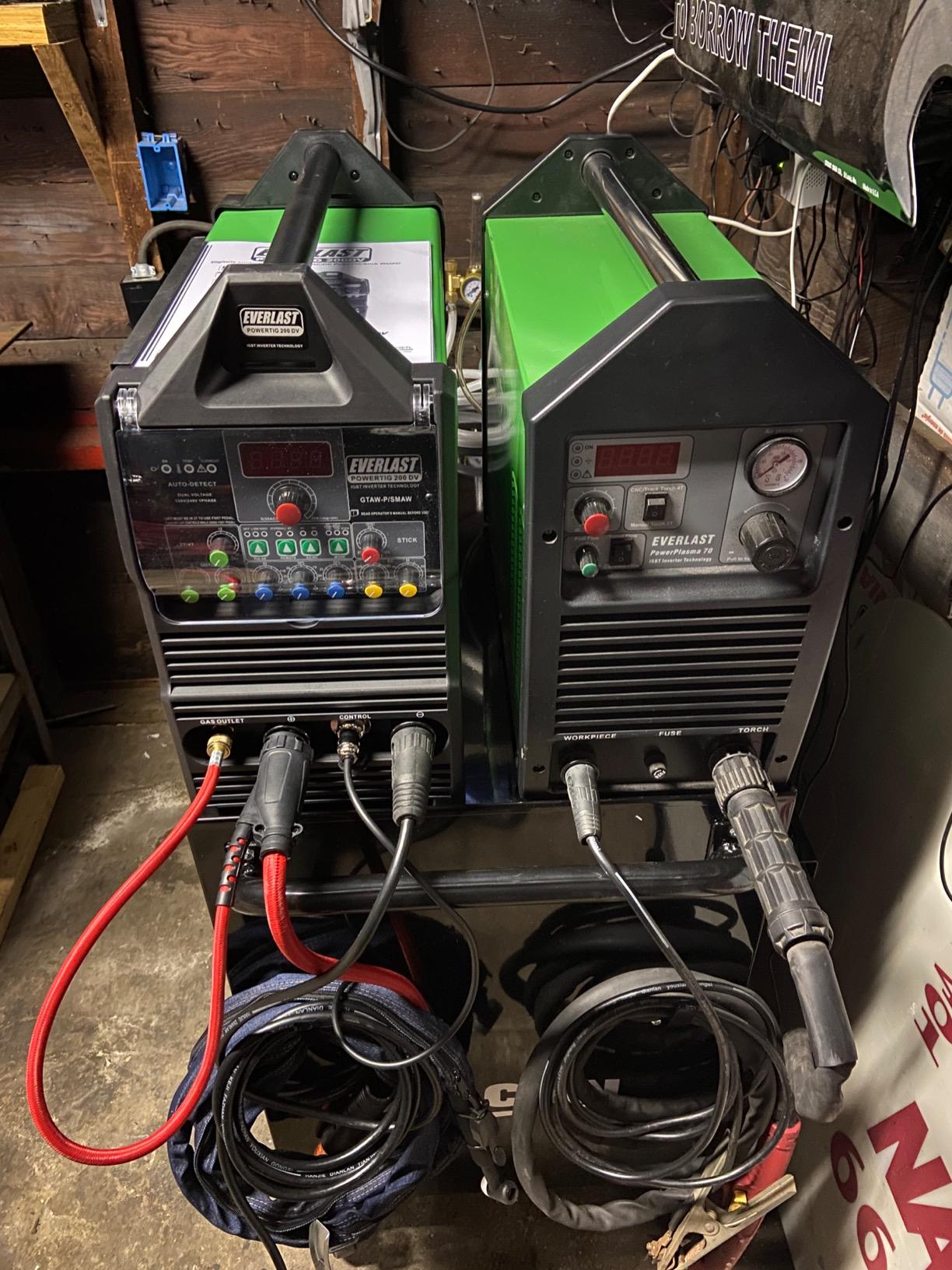
The Everlast PowerTIG 200DV is the machine for material that is thinner than what most home TIG welders can handle. It starts as low as 5 amps in DC TIG and 20 amps in AC, and that low floor is the feature owners who came up from budget inverters point to first. Thin-gauge stainless and aluminum sheet behave very differently at 5 amps than at 15.
It also has a lift start function, which matters for specific work. High-frequency start is convenient but can interfere with some sensitive electronics and thin material, and lift start gives you a conventional arc ignition when you want one. Having both means you choose per job rather than living with one method.
Pre-flow and post-flow gas control lets you set the shielding gas timing on both sides of the weld, and DIG arc force is included to reduce spatter and improve puddle control. On stainless and aluminum those two settings are the difference between a clean bead that passes inspection and one that needs rework.
The 120V and 240V dual voltage means it works in a garage and a shop without a second machine. IGBT inverter technology gives stable arc behavior, and the digital display keeps your settings visible while you are wearing a helmet.
Who should buy the Everlast PowerTIG 200DV
Buy it if you work on thin-gauge material, do repair work where heat control is critical, or want the option to weld without high-frequency start near electronics. The low start amperage is a capability the rest of this list does not match.
It is also the choice for someone who values an established TIG name over novelty. Everlast has been building TIG equipment for a long time, and the rating distribution reflects that, with 83 percent five-star and no two- or three-star reviews at all.
Where it falls short
This is the most expensive unit in the roundup, and that cost is difficult to justify if you only weld mild steel at 100 amps. Nothing in the specification is wasted, but a beginner may never touch the features that justify the premium.
At 60 pounds it is a large, heavy box, and the review count is much lower than the mid-priced alternatives, which means less long-term field history in the data. The low-amperage capability also demands real skill to exploit; without practice it simply becomes a machine with more settings.
5. LOTOS TIG200ACDC 200A AC Square-Wave TIG with Foot Pedal and Regulator
LOTOS TIG200ACDC 200A AC/DC Aluminum Tig Welder with DC Stick/Arc Welder, Square Wave Inverter with Foot Pedal and Argon Regulator 110/220V Dual Voltage Brown
200A AC square-wave TIG
10-200A output range
Foot pedal and argon regulator included
110/120V and 220/240V
Pros
- True AC square-wave output gives genuine aluminum capability
- Foot pedal and argon regulator ship in the box
- Automatic dual voltage and dual frequency handling
- 10-200A range covers thin to thick work
- Three-year limited warranty with US support
Cons
- Bulky 37 pound chassis with a large footprint
- No pulse TIG on the base 200A ACDC variant
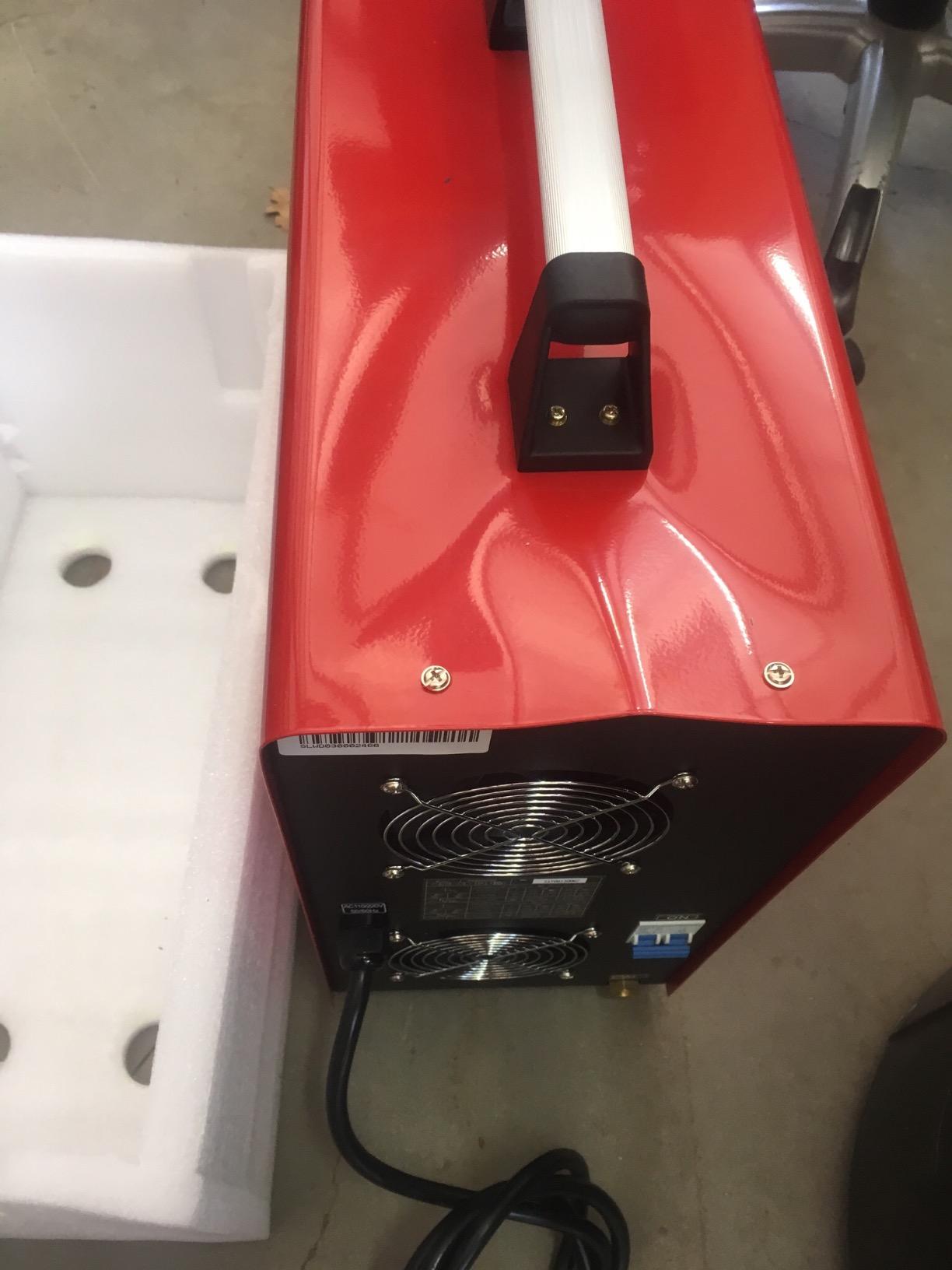
Most machines in this roundup that can weld aluminum are a step up in cost. The LOTOS TIG200ACDC breaks that pattern, with 200A AC square-wave output and a package that includes the foot pedal and argon regulator, which are normally separate purchases.
The square-wave AC output is what makes aluminum work. AC current alternates, and the electrode half of the cycle breaks the oxide layer that otherwise stops an arc on aluminum. DC-only machines will not do this no matter how good the arc start is, so this is a genuinely different capability rather than a feature label.
Output ranges from 10 to 200 amps on TIG and 15 to 200 amps on stick, which covers sheet through plate without changing machines. The listing states 80 percent power efficiency and an advanced cooling system for sustained duty, and dual voltage and dual frequency handling means it accepts 110/120V and 220/240V at 50 or 60Hz automatically.
The package list runs long: power supply, TIG torch, MMA clamp, foot pedal, argon regulator, a 220V/110V converter pigtail, ground clamp, a consumable set and a manual. A one-year replacement warranty sits under a three-year limited warranty, with US-based phone and email support.
Who should buy the LOTOS TIG200ACDC
Buy it if aluminum is a project you will actually attempt and you want the torch, pedal and regulator to come in the same box. For a first-time buyer, the completeness removes the most common early mistake, which is owning a machine you cannot hook up to gas.
It is a good second-machine candidate too. If you already have a DC-only TIG for steel, this gives you AC capability for aluminum and magnesium without giving up the DC machine you know.
Where it falls short
The chassis is large. At 37 pounds and 28 by 13 by 17 inches, it occupies real bench space and is not a machine you shuffle around a small garage. Plan the layout before it arrives.
There is no pulse TIG on the base 200A ACDC variant, so you lose the heat control that makes pulse valuable on thin material and on aluminum. It also carries a modest 4.4 rating with a 5 percent one-star share, so expect occasional failures or support friction that the higher-rated machines here do not.
6. S7 200A TIG and Stick Welder with 110V/220V Dual Voltage
S7 200A TIG Welder with DC TIG and Stick Welding
200A DC TIG and MMA
110/220V dual voltage
18 lb portable body
Post-gas timer control
Pros
- Lowest entry point for a working DC TIG machine
- Compact 18 pound body is easy to move around
- High-frequency start ignites reliably
- Dual voltage suits a home garage outlet
- Post-gas control dial sets timed gas flow
Cons
- DC TIG only with no aluminum capability
- Instructions are thin with few setup resources
- Short stiff torch lead restricts movement
The S7 is the most reviewed machine in this group, with 1530 ratings, and that volume tells you something important: it is the entry point a huge number of home welders start from. If you are not sure whether TIG is going to become a regular part of your shop, this is the lowest-commitment way to find out.
It is a two-process DC machine, TIG and stick, rated at 200A with 110V and 220V input. That means it covers mild steel and stainless, which is most of what a home shop does on any given weekend, without requiring a 220V circuit at all if you have a household outlet nearby.
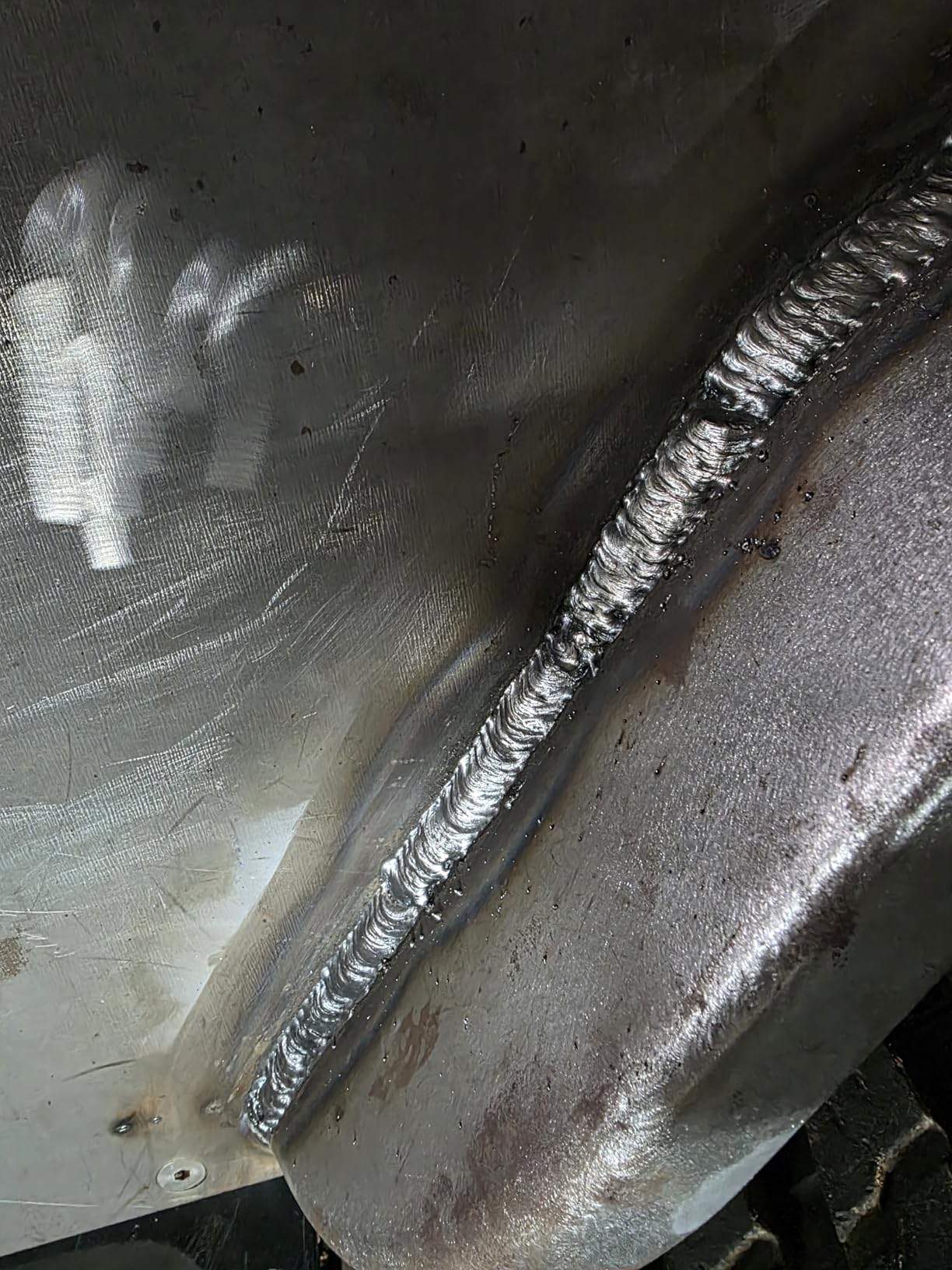
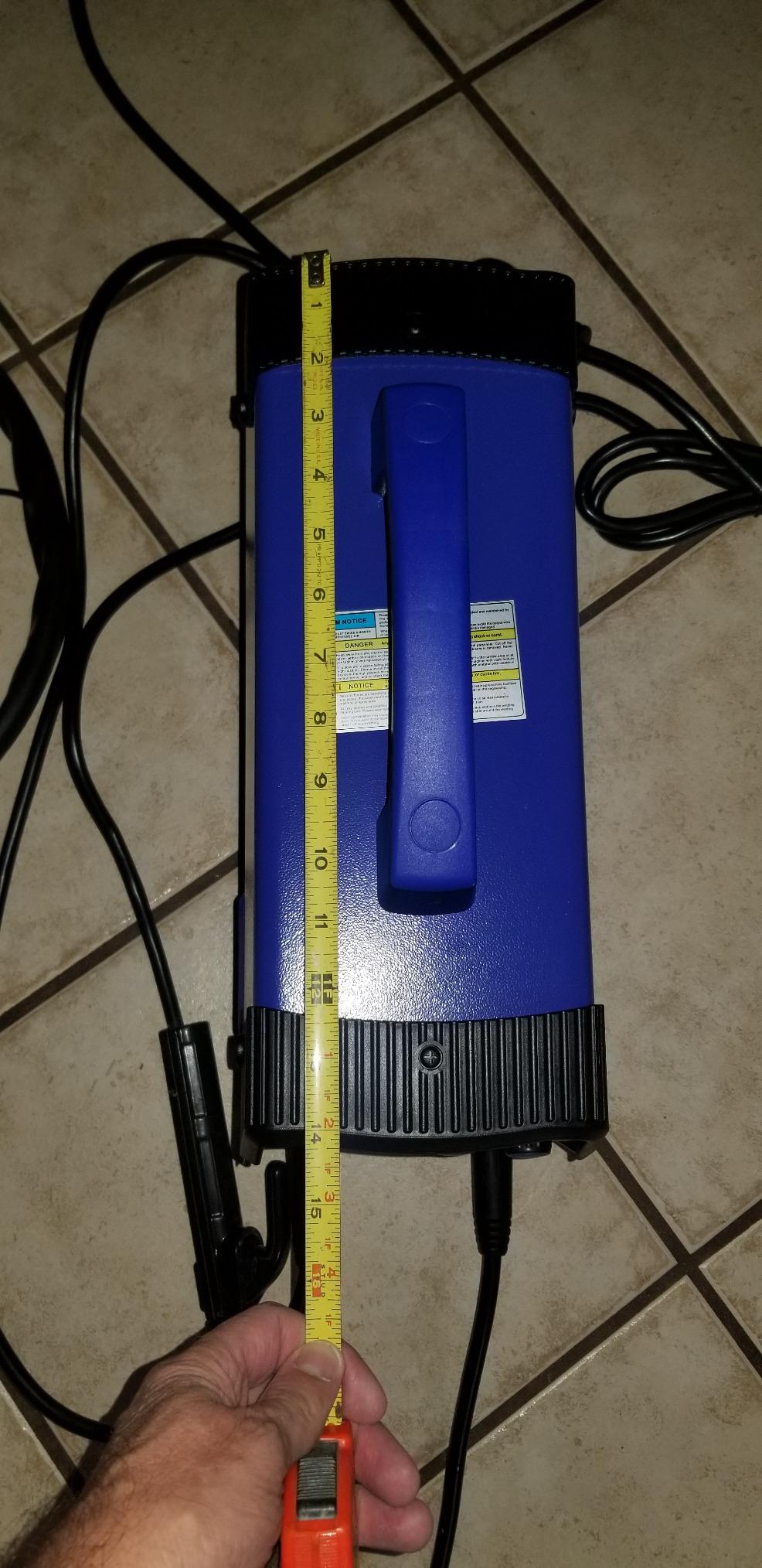
Two details make it livable. The high-frequency start ignites reliably, which removes the single most common beginner complaint about cheap DC TIG machines, and the body weighs just over 18 pounds. You can move it to the driveway, take it to a friend’s shop, or store it on a shelf when it is not in use.
The post-gas control dial sets a timed gas flow after you release the trigger, which protects the tungsten and the fresh bead from oxidation. That single dial does more for bead quality on stainless than a dozen extra features would. Built-in overheat and overload protection add a layer of safety on long sessions.
Who should buy the S7 200A
Buy it if you are starting out, you mostly weld mild steel and stainless, and you want something you can carry in one hand. It is also a reasonable backup machine for anyone with a larger welder on the bench.
The 17 by 10 by 13 inch footprint and light weight make it a good fit for a small garage or a rented space where bench space is scarce. It works with standard TIG consumables, so parts are easy to source.
Where it falls short
DC TIG only, so aluminum is off the table. That matters a great deal if you have a trailer, a snow plow or anything cast aluminum in your plans, and it is the one limitation that should rule it out for some buyers.
The included torch lead is stiff and short, which gets in the way on larger parts, and the accessories in the box are of low quality. Documentation is the other weak point, with sparse instructions that leave you to work things out. Budget for a torch upgrade and for the argon cylinder and regulator, which are not included and add materially to first ownership cost.
7. Sunstac 250A AC/DC Pulsed Aluminum TIG Welder
Sunstac 250A Aluminum TIG Welder with Pulse ACDC Foot Pedal Control
250A AC/DC pulsed output
Seven weld modes
LCD readable with helmet on
110/220V dual voltage
Pros
- Only 250A AC/DC pulsed unit in this price bracket
- Seven modes including AC and DC spot welds
- 118 inch 300A rated work clamp and electrode cables
- Intelligent parameter memory restores prior settings
- Aluminum up to 4mm on 110V and 6mm on 220V
Cons
- Lowest rating in the group with an elevated one-star share
- Manufacturer states AC-mode current measurement is inaccurate
- Foot pedal not included despite the listing title
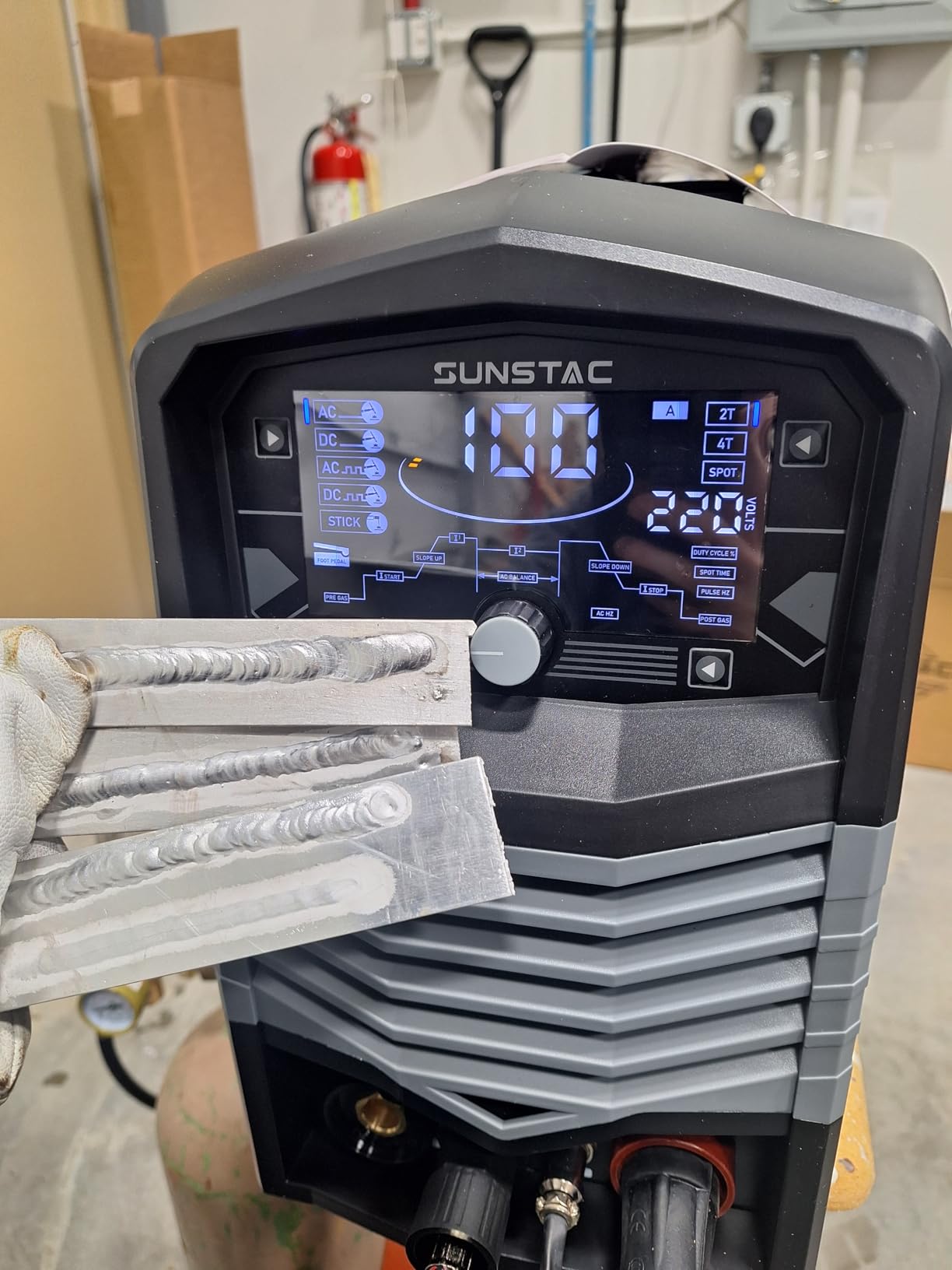
Most 250A machines are heavy professional boxes. The Sunstac SS-250P ACDC is 250A AC/DC with pulse at under 30 pounds, and it is the only unit here that pairs that much output with a listed capability to run at 220V. For a home shop that wants headroom without a floor-mounted machine, that combination is unusual.
Seven modes are available: high-frequency AC TIG, high-frequency DC TIG, pulsed AC, pulsed DC, AC spot, DC spot and stick. Spot TIG in both polarities is genuinely useful for reinforcement welds and for fixturing thin material before a final pass.
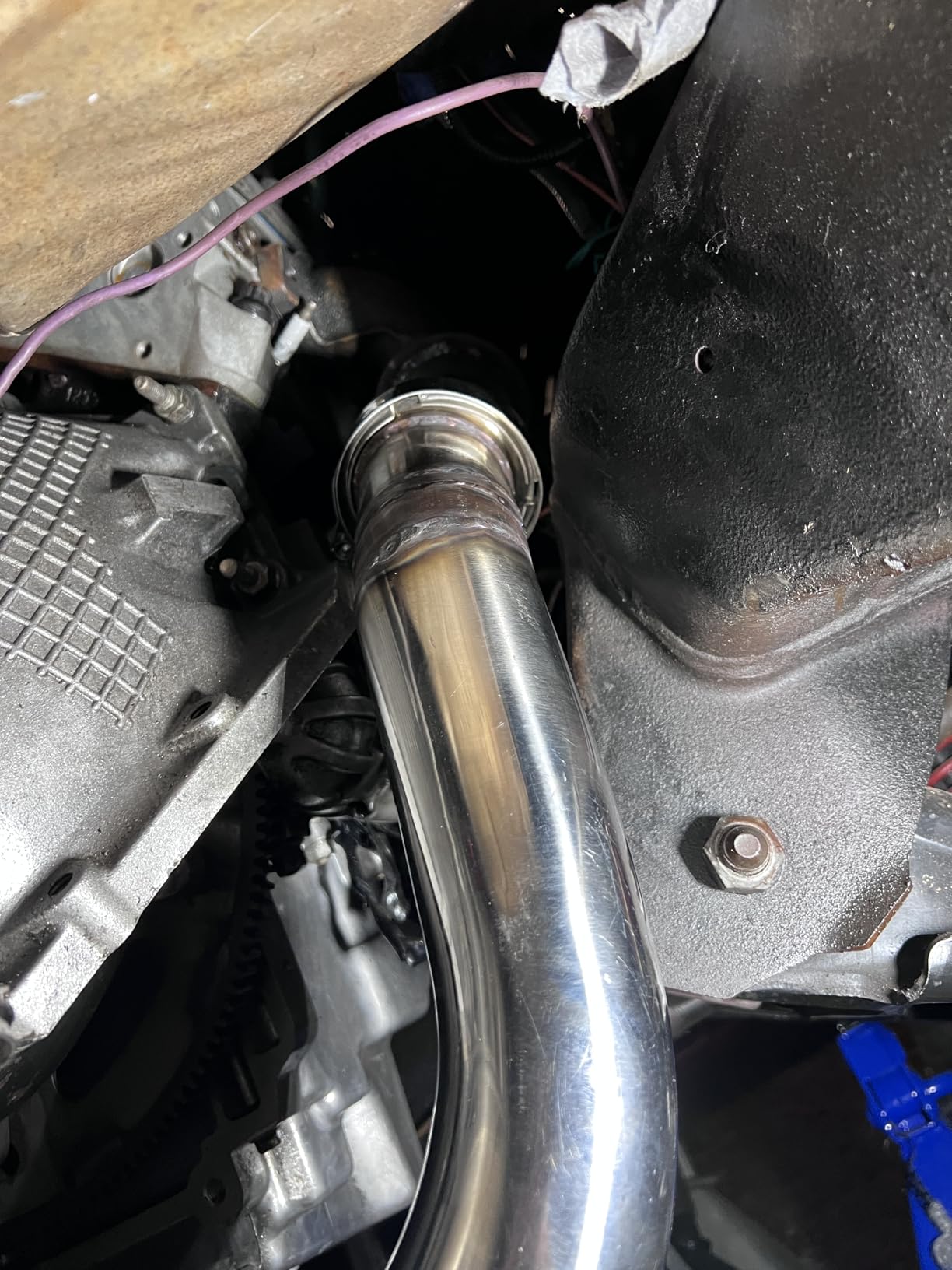
The listing rates aluminum capability at up to 4mm on 110V and 6mm on 220V, which is a concrete answer to the question most listings leave vague. The LCD screen is designed to be read with a welding helmet on, a small detail that gets appreciated on long sessions in a dark garage.
Cable length is a genuine strength here. The work clamp and electrode holder cables measure 118 inches and are rated 300A, which is far longer than the short leads that ship with budget machines and removes the usual first upgrade. Intelligent parameter memory restores your previous settings after a power interruption.
Who should buy the Sunstac 250A
Buy it if you want real amperage headroom for plate work, heavier aluminum, or the option to run on 220V without buying a full-size machine. The long leads also suit a shop where the work sits far from the outlet.
It is a reasonable fit for someone doing pipe, tubing or structural work where spot TIG reinforcement matters. Just budget for the foot pedal, which the listing title references but the box does not include.
Where it falls short
The 4.1 rating is the lowest in this group, with a one-star share well above the other picks. The manufacturer also states plainly that current measurement in AC mode is inaccurate and varies with AC balance, so treat the readout as approximate when setting aluminum parameters.
With 145 reviews there is less long-term field history behind it than the machines above it. If consistency and a support path matter more to you than raw output, the mid-tier AC/DC units are the safer bet.
8. YESWELDER TIG-205P 205A 3-in-1 Pulse TIG and Stick Welder
YESWELDER 205A Tig Welder Pulse STICK/DC TIG/PULSE TIG 3 in 1 TIG-205P
205A class 3-in-1 unit
DC TIG and pulse TIG
Auto-sensing 110V/220V
Lightweight chassis
Pros
- Best seller rank in the group with broad owner feedback
- Lightweight body for its power class
- Auto memory restores your settings after power-off
- Independent pulse frequency duty and current control
- Hot Start Arc Force and Anti-Stick in stick mode
Cons
- DC TIG only and the listing states no aluminum capability
- Torch and gas hardware not included
- Foot pedal sold separately
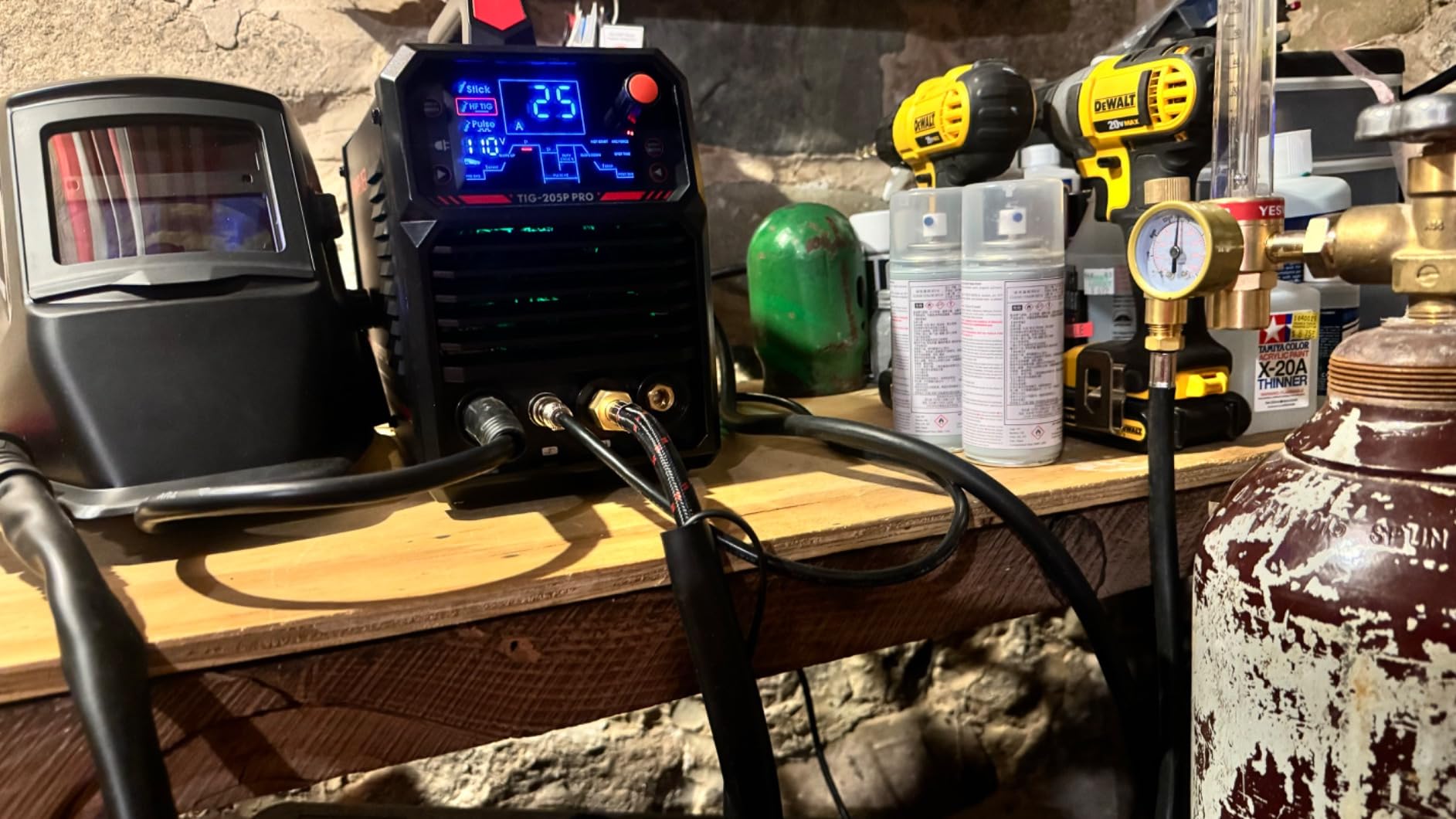
The YESWELDER TIG-205P is a three-in-one unit running stick, DC TIG and pulse TIG, with output listed up to 200 amps in the 205A class. It ranks among the most popular machines in TIG welding equipment, which means a large pool of owners have already documented how it behaves.
What we like most is auto memory. Settings are stored and restored after a power-off, so a beginner who spends twenty minutes dialing in a stainless setting does not lose it to a breaker trip. That single feature removes more frustration for new users than any amount of extra process mode.
Pulse TIG here has independent control of frequency, duty cycle and current, which is enough to handle thin material where heat input is the problem. The stick side includes Hot Start, Arc Force and Anti-Stick, so the machine is useful for outdoor repairs and thicker material too. High-frequency non-touch arc start keeps ignition reliable on stainless.
Auto-sensing 110V and 220V input removes manual switching, and the LED screen is large enough to read parameters at a glance. The listed machine weight is around 23.7 pounds, which keeps it in carryable range despite the amp class.
Who should buy the YESWELDER TIG-205P
Buy it if you want a portable machine that remembers your settings and you are working on stainless or mild steel. It suits a garage with limited room and a user who moves between the bench and the driveway.
It is also a good teaching machine. The interface is straightforward, the modes are limited to three, and nothing on the panel is a trap for a beginner trying to get a first bead down.
Where it falls short
This model cannot weld aluminum, and the listing says so explicitly. If aluminum is on your list, the sibling AC/DC variant is the one you want instead.
Torch, gas hardware and foot pedal are not included. That keeps the box small and the entry low, but it means your first project needs a purchase order before the first weld. Plan for the argon cylinder, regulator, torch and pedal as part of the real cost.
9. ARCCAPTAIN TIG200 200A TIG and Stick 2-in-1 with 110V/220V
ARCCAPTAIN 200A TIG Welder, 110V/220V TIG/Stick 2 IN 1 Welding Machine
200A TIG and Stick 2-in-1
Post gas 1-10s
Down slope 0-10s
20.8 lb body
Pros
- Post-gas and down-slope timers give clean low-spatter results
- Light enough to move by handle or shoulder strap
- Runs acceptably on both 110V and 220V
- Operates smoothly on a portable generator
- Two-year warranty with responsive service
Cons
- DC TIG only on the TIG200 model
- Leads and cables are short and most owners upgrade
- No gas regulator or foot pedal included
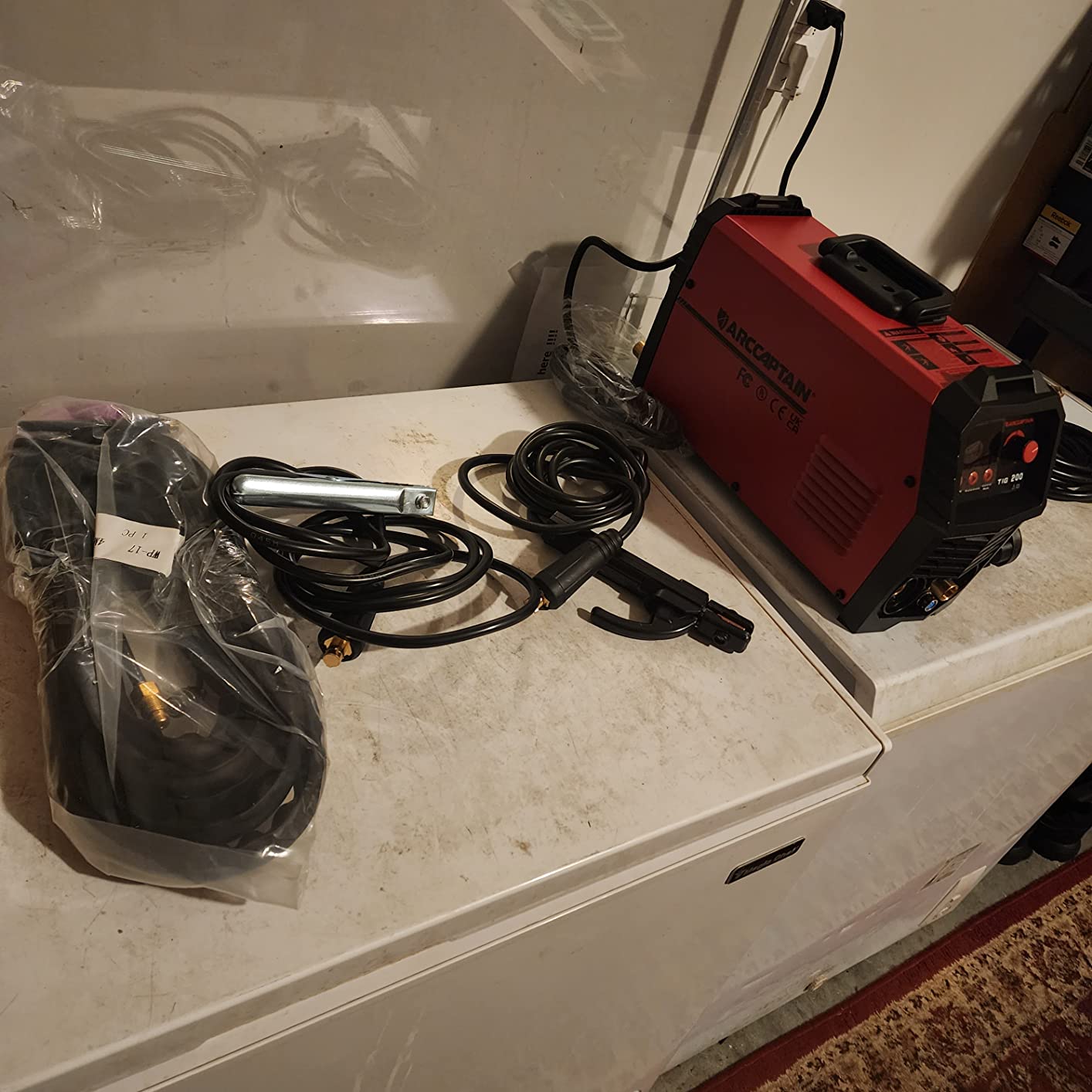
The ARCCAPTAIN TIG200 is the machine to take to a job. At 20.8 pounds with an included shoulder strap, it is the most genuinely portable unit here, and owners report running it for hours at 150 to 160 amps on stainless and mild steel without trouble. That is real work, not a bench-top demonstration.
The two timer controls are what separate it from other budget machines. Post-gas time adjusts from 1 to 10 seconds so gas keeps flowing after you release the trigger, protecting the bead and the torch head. Down-slope time adjusts from 0 to 10 seconds, which tapers the current to reduce the abrupt stop that causes crater cracks.
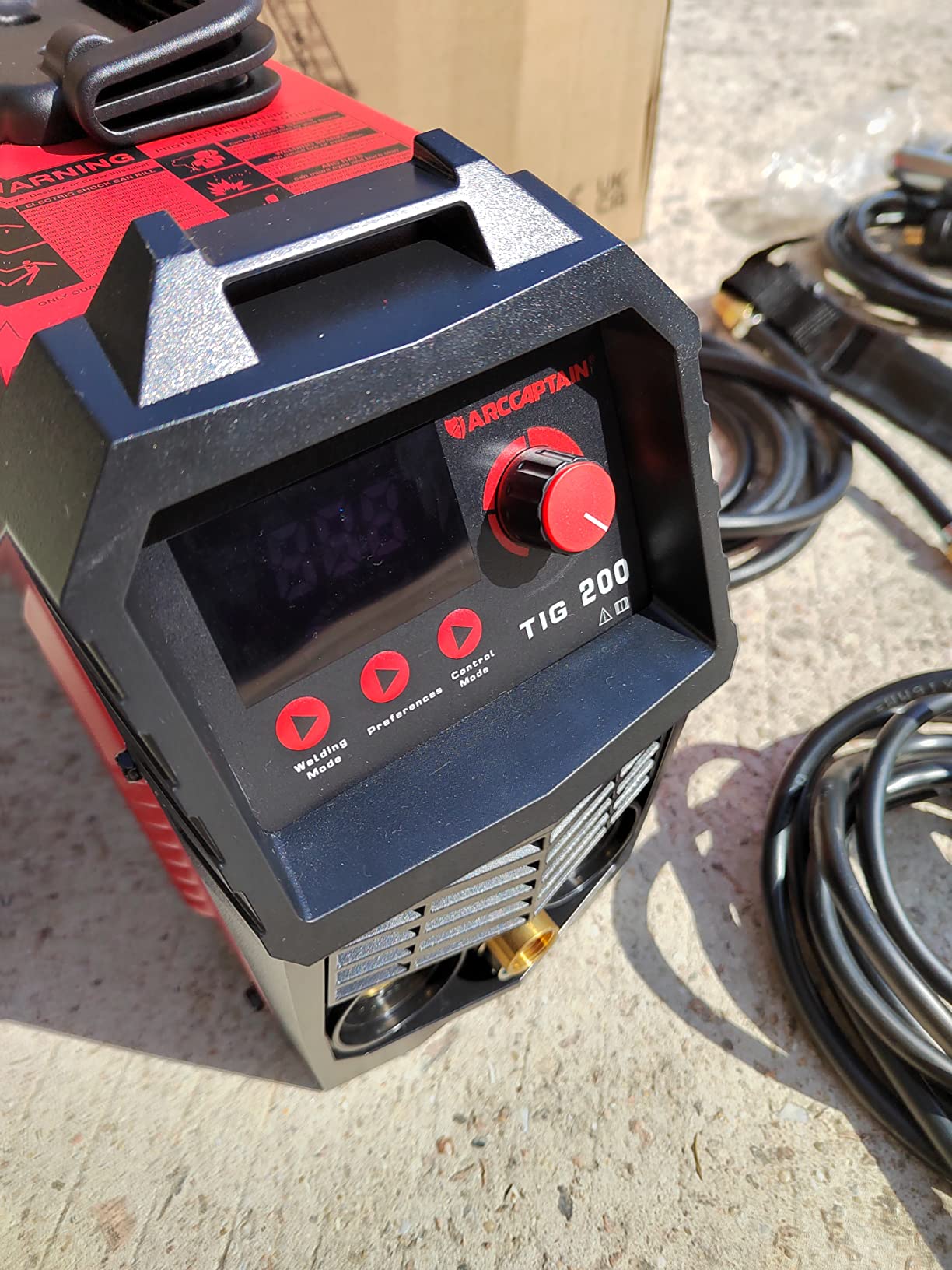
Add 2T and 4T trigger modes and you have arc control that usually appears on more expensive units. 4T keeps the arc live for extended work without a trigger hold, which reduces hand fatigue on long welds. High-frequency non-contact start reduces tungsten and material consumption compared with a point-gap start.
The cooling fan runs on demand rather than continuously, which means less noise in a quiet garage. Protection covers VRD, over-current, over-voltage, over-load and overheat, and owners confirm it runs acceptably from a portable generator, a detail that matters for field repair work.
Who should buy the ARCCAPTAIN TIG200
Buy it if your welding happens away from a bench. Trailer repairs, fence work, equipment fixes at a property or a job at a friend’s house are exactly what this machine is built for, and the strap makes carrying it a one-person job.
It also suits a shop where outlet access is unreliable. Both 110V and 220V work, and generator operation is confirmed by owners rather than claimed.
Where it falls short
The TIG200 model is DC only, so aluminum needs the TIG200P ACDC version instead. The included ground cable has also been reported to overheat or melt with extended use, and the torch is heavy and does not swivel well.
Cable length is the routine first upgrade. Most owners replace the leads immediately, and there is no gas regulator or foot pedal in the box, so budget for those before the first weld.
10. TOOLIOM 200A 4-in-1 TIG Welder with Pulse and TIG Spot
TOOLIOM 200A TIG Welder with Pulse, 110V/220V Dual Voltage
200A DC TIG output
4-in-1 including TIG spot
Pulse TIG controls
Auto-sensing 110V/220V
Pros
- TIG spot mode is uncommon at this entry point
- Large readable display shows live parameters
- Low spatter and reliable arc start reported
- Stick mode includes Hot Start Arc Force and Anti-Stick
- 5-pin foot pedal interface reserved
Cons
- Torch regulator and foot pedal are not included
- DC TIG only with no aluminum capability
- Feature-heavy panel for the tier can overwhelm beginners
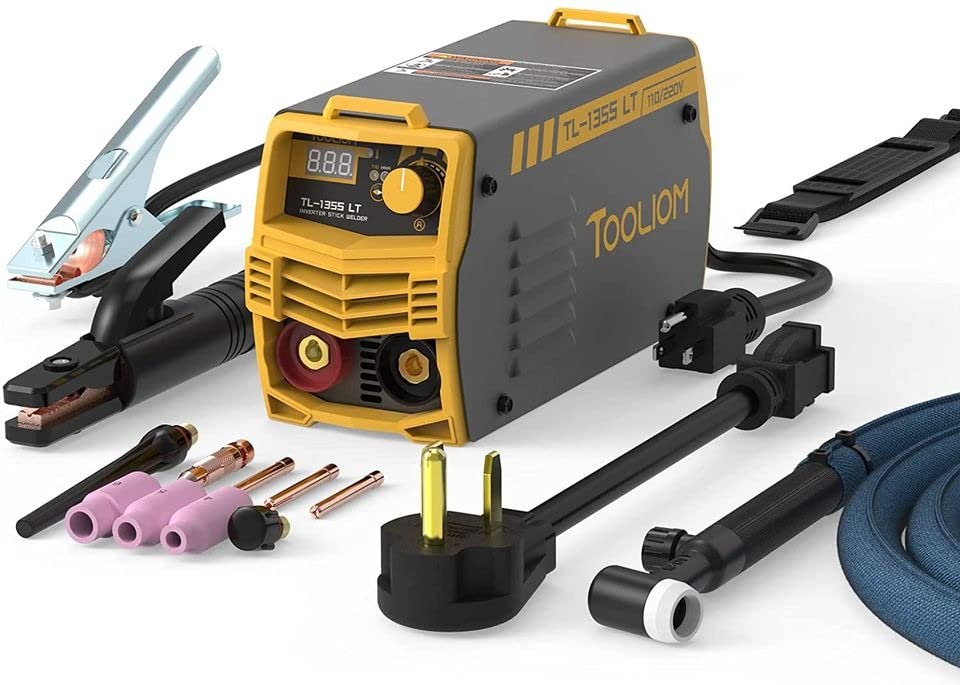
The TOOLIOM 200A earns its place on one specific feature: TIG spot mode. Four-in-one means stick, DC TIG, pulse TIG and TIG spot, and the spot mode gives you repeatable spot welds that the other budget units here do not offer. It is genuinely useful for fixturing and for reinforcement before a final pass.
It also has a large digital display that shows amperage, mode and parameters in real time, which is more than most machines at this level give you. Pulse TIG has independent control of frequency, duty cycle and current, so heat control is available even though AC is not.
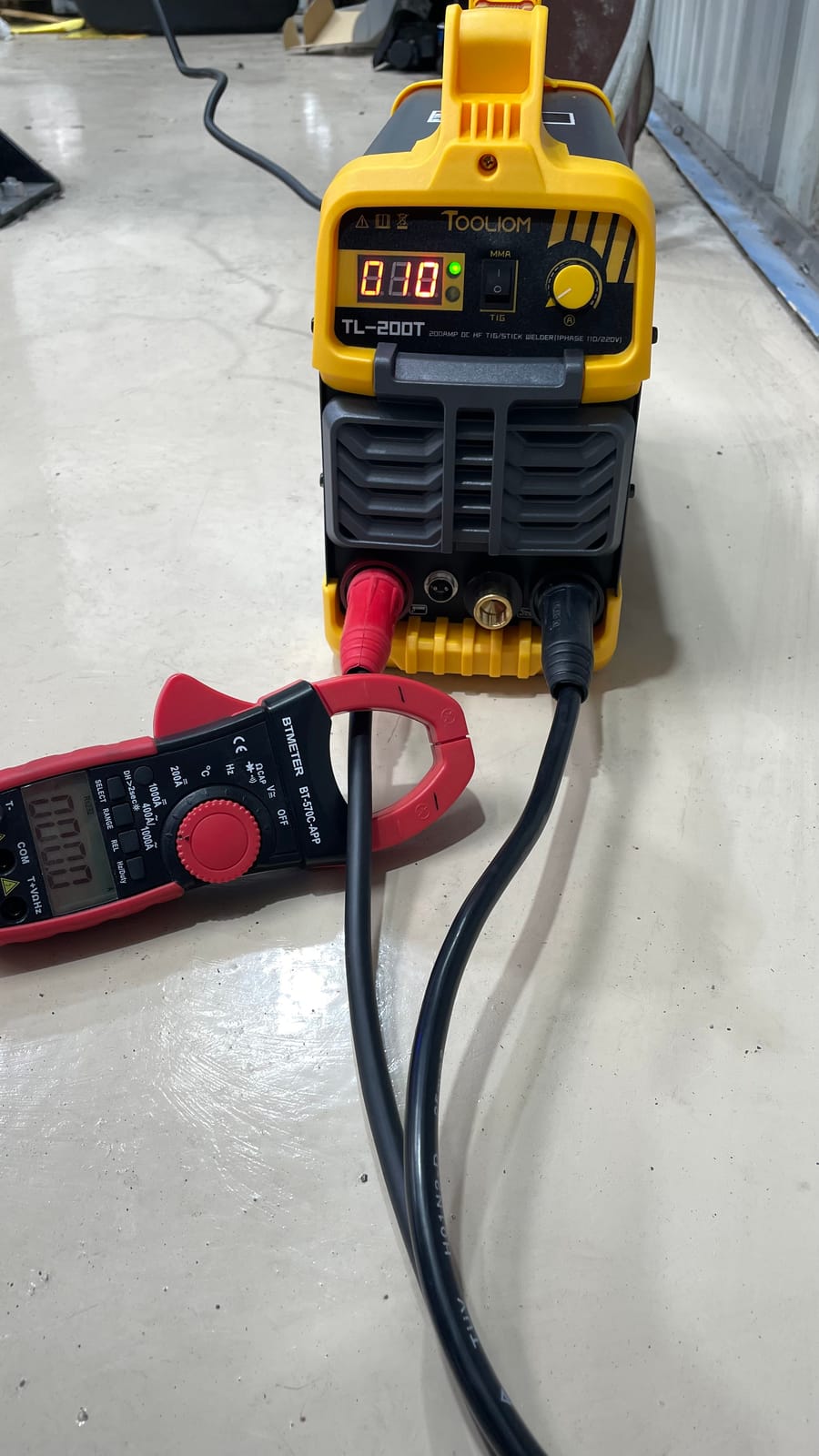
The stick side is properly specified, with Hot Start, Arc Force and Anti-Stick, and the DC TIG mode uses HF ignition with 2T, 4T and spot operation. Thermal protection shuts the unit down on overheat or overload while the fan keeps running to cool it, which protects the electronics on a long session.
Smart sensing circuitry adapts to 110V or 220V automatically, and a reserved 5-pin foot pedal interface lets you add a pedal later for arc on and off plus current control. Owners report low spatter and a reliable start, which are the two things that matter most for a first machine.
Who should buy the TOOLIOM 200A
Buy it if you want spot TIG capability and readable live parameters at the entry end of the range. It is a sensible first machine for someone whose projects are mild steel and stainless repair work.
It is also a good value reference point. When you compare this against the other budget units, it makes clear what the extra spend on a foot pedal, regulator and better torch actually buys you.
Where it falls short
Nothing in the box. Torch, regulator and foot pedal all have to be purchased separately, so the entry number understates what the first working setup costs. Factor that in before comparing it against a machine that ships complete.
DC TIG only means no aluminum. The control panel is also feature-heavy for the tier, with a menu density that can delay a first weld if you let it. Start by welding coupons on two settings and ignore the rest.
How to Choose a TIG Welder for Your Home Shop
Six criteria decide this purchase, and they should be checked in this order. Electrical capacity first, because it eliminates machines from consideration before you fall for a feature list. Material second, because AC/DC capability cannot be added later. Amperage third, then torch and pedal, then pulse, and last the brand name.
What your home shop can actually power
This is the most common reason a good machine ends up unusable. A 200A TIG welder at full output draws far more than a household circuit allows, and many machines need a dedicated branch circuit rather than an extension cord. Check what your panel has before you pick a model, and if you are unsure whether a 30A circuit can grow to a 50A one, find out first, as garagejournal.com advice for this market puts electrical planning ahead of everything else.
The practical rules are simple. A 110V machine on a standard 20A household circuit is fine for thin-gauge and light work. A 220V machine on a 30A branch circuit is the common home-shop setup and supports most 200A machines at a realistic duty. A 50A branch circuit gives a 250A machine its full rated output without the thermal cycling that shortens component life. Running 10 gauge wire on a 30A circuit and 6 gauge on a 50A circuit is the standard approach, and a sub-panel is the clean solution when the main panel has no room.
None of the ten machines here needs anything exotic. Every one is 110V or dual voltage, which means the question is simply whether you have a 220V circuit available and how many amps it carries. If you do not, a dual-voltage machine lets you start on 110V and move up later, and every dual-voltage pick in this list supports that path.
DC or AC/DC: do you need aluminum capability
DC TIG welds mild steel, stainless and chrome-alloy tubing beautifully, and it is where every machine in this roundup is at its best. AC adds the ability to weld aluminum and magnesium, because the alternating current breaks up the oxide layer on the surface of those metals. There is no workaround for this on a DC-only machine, and no amount of technique substitutes for it.
So the honest guidance is: buy DC-only if your project list is steel and stainless, and buy AC/DC if aluminum is likely to appear at all. The home shop that welds a trailer, a snow plow, an aluminum ladder or a cast housing needs AC. Everyone else is paying for a feature they may never touch.
Amperage against material thickness
Amps translate to heat, and heat translates to how fast your filler melts and how deep you can push a puddle. A rough working guide: 100 amps handles 0.5mm to 1mm sheet, 150 amps covers 1mm to 3mm, 200 amps reaches 3mm to 6mm plate, and 250 amps is for heavier plate and sustained production work.
This is also the point where home buyers overbuy. The common failure in forum threads is a 250A or 300A machine that never runs above 120 amps and feels impossibly stiff on thin material. Most home shop work lives under 150 amps, so anything above a 225A class is usually money spent on headroom you will not use.
Pulse TIG, torch type and what ships in the box
Pulse TIG cycles the current between a peak and a background level. The puddle stays small and cool while the filler feeds in easily, which reduces distortion and makes thin aluminum and stainless far more controllable. It is worth having if you plan to do thin material, and largely optional if you are mostly welding plate.
Torch quality matters more than most spec sheets admit. A CK Worldwide torch, included with the PRIMEWELD and AHP, is treated as a genuine quality signal by fabricators. Water-cooled torches suit long production runs and are rarely necessary in a home shop. Gas lens cups improve shielding on thin material and are a worthwhile first upgrade.
Check the included parts carefully. A foot pedal and an argon regulator are the two items that determine whether a machine is usable on day one. Three machines in this roundup ship with both, and the S7, YESWELDER, ARCCAPTAIN and TOOLIOM do not.
What not to buy for a home shop
Skip multi-process boxes whose TIG circuit is the weak part. A machine that is excellent at MIG and mediocre at TIG is a MIG machine you paid extra to have. If TIG is your priority, buy TIG.
Also skip a DC-only unit if aluminum is a maybe, and skip any machine without high-frequency or lift start, because arc initiation is where beginners lose confidence. Our full comparison of MIG welders covers the opposite case if MIG is the process you will actually use most.
What Else You Need Beyond the Machine
The machine is a minority of first ownership cost. Budget these before the box arrives, because a TIG welder without gas cannot make a weld at all.
Argon cylinder and regulator. A new cylinder of argon plus a proper regulator runs several hundred dollars in real terms, and it is the item most first-time buyers forget. A flow meter is worth adding so you can set shielding gas once instead of guessing.
Tungsten electrodes. Buy 3/32 inch lanthanated for DC work on steel and stainless, and 3/32 inch or 1/16 inch ceriated or lanthanated for AC aluminum. A sharpener is cheap and prevents the most common cause of arc instability.
Filler rod and consumables. Matching filler, plus spare collets, ceramic cups, back caps and a 9mm or 1/4 inch spacer as your torch requires. These are consumables, not accessories, and they run out.
Protection. A welding helmet with the right shade range, a leather jacket, welding gloves and sleeves. If you weld near people, a respirator for the fume and a proper extraction hood matter, because TIG fume is a real exposure.
Shop setup. Secure the cylinder upright with a chain or strap, ventilate the room, keep the area clear of anything flammable, and give the machine clearance for airflow on all sides. A wood dust collector will not help with welding fume, so plan extraction separately; if you also build with wood, our dust collector picks cover that half of the shop.
Should You Buy a Used TIG Welder
Often, yes. The most upvoted answer in the r/Welding thread on this question recommends a used Miller Syncrowave, and the reasoning generalizes to any established TIG name: a decade-old inverter machine with a heavy transformer and simple electronics is easier to repair than a current budget unit with a sealed control board.
Used buys you a better machine than new at the entry level, because the cheapest new machines are competing on price, not on build quality. It also gets you a torch and pedal from a machine whose torch you can find parts for. What you give up is a warranty, which is why the inspection matters.
Ten checks before you commit. Confirm the high-frequency start sparks cleanly. Listen for a fan that runs when the machine heats. Verify the amperage readout matches the dial on every range. Check both polarity terminals for a clean connection. Inspect the torch cable for cracks near the handle. Look at the board for burnt smell or green corrosion. Test stick mode as well as TIG. Confirm the foot pedal moves the amperage smoothly with no dead zone at the bottom. Check that the case is not badly deformed, which suggests a drop. And confirm you can source a replacement board or power module before you pay, not after.
Weigh that against the new machines here. Two of them ship with a three-year warranty, and the AHP carries a regulator and pedal that you would otherwise buy separately on a used unit. Buy used when the machine is a known model with a supportable repair path. Buy new when the warranty is worth more to you than the difference.
Frequently Asked Questions
What is a good TIG welder for home use?
A good TIG welder for home use is an inverter power source that reaches 140 to 225 amps, accepts 110V or 220V, and gives you a controllable arc through a foot pedal. Add AC output if you plan to weld aluminum, and a high-frequency or lift start so thin material ignites reliably. For most garages, a 200A AC/DC machine with pulse is the right target.
Is TIG the hardest form of welding?
TIG is widely considered the most technique-dependent process because the puddle is controlled by hand through amperage changes rather than by feeding wire. There is no filler wire to hide behind, and heat control is entirely on the welder. That difficulty is exactly why the process produces the cleanest beads on thin and detailed work, and why foot pedal control matters more than any other feature.
Are Harbor Freight TIG welders any good?
The Harbor Freight Vulcan line has a large following and shares most traits with the other budget inverters in this roundup: capable DC TIG performance on stainless and mild steel, compact and portable, and sold with a package that often omits the argon cylinder and regulator. Owners consistently report upgrading the leads and torch shortly after purchase. The value is real for steel work; aluminum requires an AC/DC variant.
What size wire do I need for a 50 amp breaker for a welder?
A 50 amp welder branch circuit needs 6 gauge copper wire on a standard 60 degree C conductor, and most home shops run that on a dedicated 50A double-pole breaker. A 30A circuit with 10 gauge wire covers most 200A TIG machines at realistic duty. If your main panel has no space, a 50A sub-panel is the clean answer rather than sharing an existing circuit with an extension cord.
What is the best, most affordable 110v welder?
For a 110V-only setup, look for a 200A DC TIG and stick machine with high-frequency start and auto-sensing input. The S7 200A and the ARCCAPTAIN TIG200 both run on a household circuit and weigh under 25 pounds, so either works. Remember that aluminum is not possible on a DC-only unit at any voltage, and budget separately for the argon cylinder, regulator and torch.
Conclusion: Where to Start With the Best TIG Welders for Home Shops
Start with the PRIMEWELD TIG225X if you want one machine that handles aluminum, stainless and chromoly and you can accept roughly 90 pounds of iron on the bench. It carries the highest rating in this group and the torch is the one fabricators single out.
Start with the AHP AlphaTIG 203Xi if you want the most complete package and a 30A circuit. The regulator, foot pedal and torch are in the box, the duty cycle is the best here, and the three-year warranty covers the early failure risk.
Start with the LOTOS TIG200ACDC if aluminum is the goal and the budget is the constraint, or the S7 200A if you are not sure TIG will stick and you want the lightest way to find out. Whichever you choose, confirm your circuit before you order, buy the argon setup on the same day, and practice on coupons before the first real project. The best TIG welders for home shops are the ones you can actually power and actually keep stocked, and those two details decide more than the spec sheet does.