
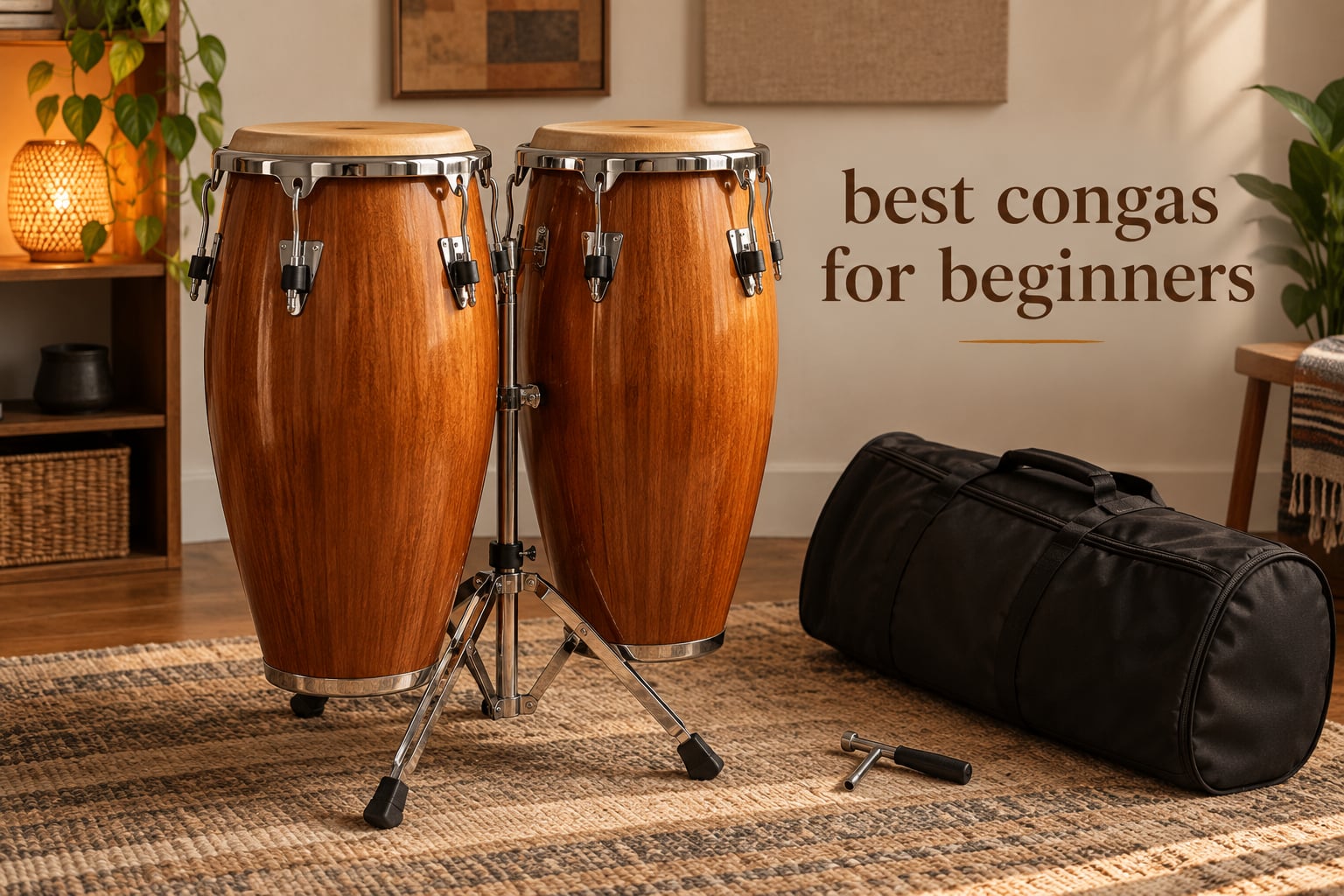
Three congas make up the shortlist of best congas for beginners: the LP Laptop Conga, which squeezes a full conga voice into a box you can play on your lap, the LP City Wood 10 and 11 inch set, which is the strongest-reviewed traditional option here, and the Hushly 11 inch drum that arrives with its own adjustable stand. Below those sit five more, from two display-sized minis to a fiberglass pair built for travel.
That range matters because congas are a category with almost no middle. The listing pool for beginner congas is thin, most inexpensive two-drum sets use the same thin woods and hardware, and the well-reviewed models cluster at either end: tiny decorative drums or full 28 inch staved sets that weigh more than some drum kits. I went through the options with an eye on head diameter, shell material, head type, hardware, and how long owners report the tuning holding, then ranked them on what actually helps someone build hand technique.
One thing to clear up before the list. A conga is a tall, barrel-shaped hand drum played bare-handed, with no sticks and no mallets. Your hand position picks the sound: an open palm gives the deep bass note, fingertips give the sharp open tone, a flat hand gives the cutting slap, and a muted palm gives ghost notes. Every conga, from a 4.5 inch mini to a full tumba, can produce all four. The size decides the pitch, not the difficulty.
If you play a kit already and want a hand drum to practise at home, our beginner instrument guides cover the same ground for other instruments. Here, the deciding question is simpler than most spec sheets suggest: get the head size right first, then decide how many drums you need.
Table of Contents
Top 3 Best Congas For Beginners (October 2026)
These three cover the most common beginner situations. The LP Laptop Conga is the one I keep coming back to for players in small spaces, the LP City Wood set is the safest all-round traditional buy, and the Hushly drum with stand is the least frustrating option if you have never owned a hand drum.

LP Laptop Conga
- Conga and quinto pitches in one box
- Para wood and birch shell
- Includes strap
- Plays seated on your lap

LP City Wood 10 and 11 Set
- Siam oak stave shells
- Rawhide heads
- 9/32 inch lugs
- 10 and 11 inch heads

Hushly 11 inch Conga with Stand
- 11.5 inch playable head surface
- Kiln dried wood shell
- Five tuning lugs
- Adjustable stand included
Quick Comparison of Every Conga in This Guide
All eight drums appear below with head sizes, shell material, and the situation each one suits. Read the head diameter column first, because that is the choice that shapes your technique.
| Product | Specifications | Action |
|---|---|---|
| LP Laptop Conga LP1436 |
|
Check Latest Price |
 LP Mini Tunable PR Flag Conga LP Mini Tunable PR Flag Conga |
|
Check Latest Price |
| LP City Wood Congas 10 and 11 Set |
|
Check Latest Price |
| Hushly 11 inch Conga with Stand |
|
Check Latest Price |
 Toca 2300BB Bahama Blue Conga Toca 2300BB Bahama Blue Conga |
|
Check Latest Price |
 Meinl MC100NT Mini Conga Meinl MC100NT Mini Conga |
|
Check Latest Price |
 Toca 2300FWH Fiberglass Set Toca 2300FWH Fiberglass Set |
|
Check Latest Price |
 Zenison 9 and 10 inch Conga Set Zenison 9 and 10 inch Conga Set |
|
Check Latest Price |
1. LP Laptop Conga LP1436 – Two Conga Pitches in One Compact Box
LP Laptop Conga LP1436
Birch and para wood shell
11.5 by 3 by 19.5 inch body
5 pounds
Strap included
Pros
- Produces both a high quinto and a low conga pitch from one instrument
- Solid para wood and birch construction
- Strap included so it is easy to carry
- Compact body suits small rooms and seated practice
- Well regarded by buyers with 275 reviews at 4.4 stars
Cons
- Cajon laptop format gives a tone different from a traditional staved conga
- 3 inch depth limits low end head space compared with full congas
- A minority of buyers report tuning or feel issues
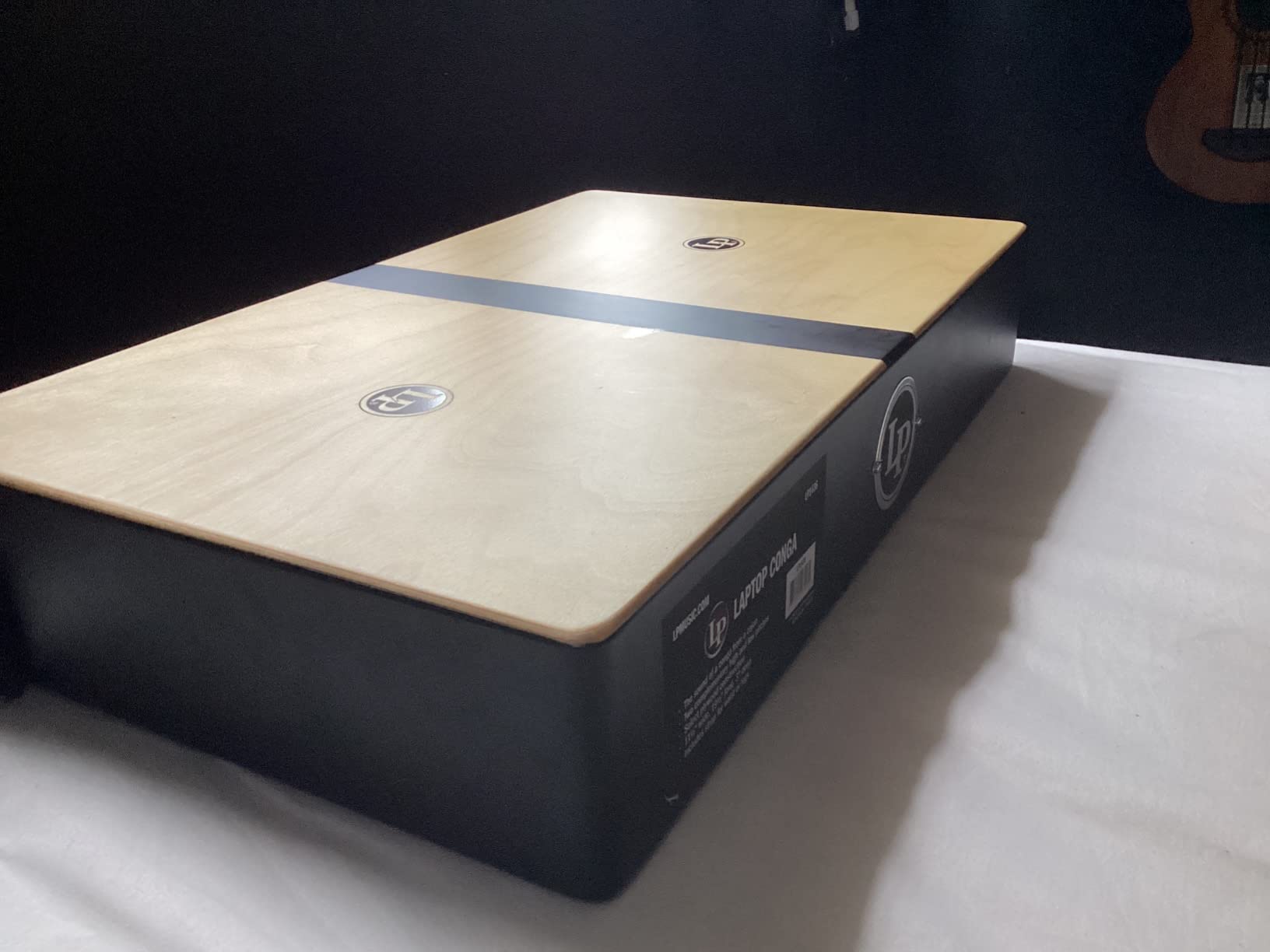
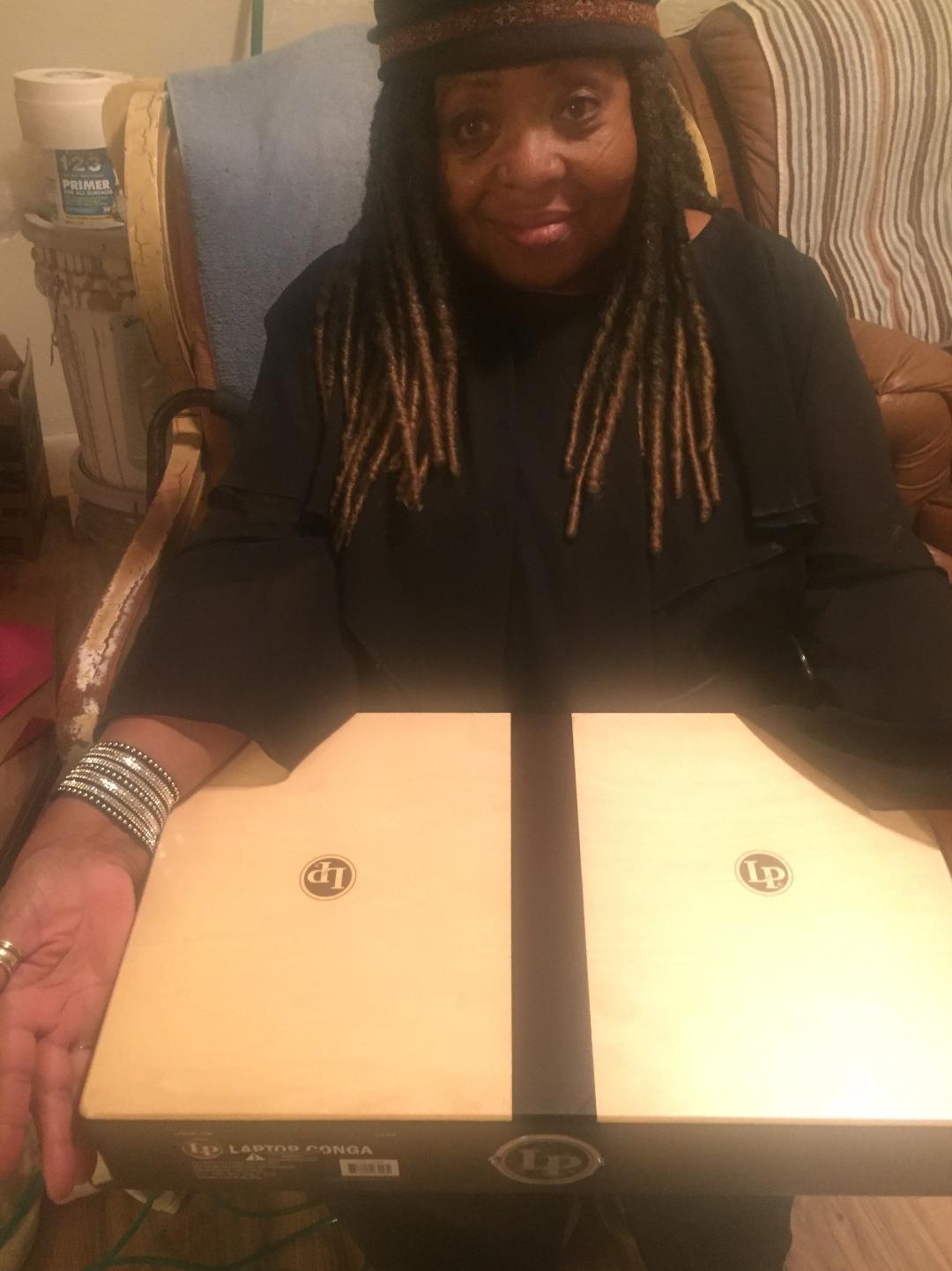
This is the drum I recommend to anyone starting out who does not have a garage to store a 28 inch conga in. The LP1436 is a cajon-derived design rather than a traditional conga, and the shell is built from para wood and birch. It measures 11.5 inches wide, 3 inches deep and 19.5 inches tall, which is short enough to sit between your knees and play seated.
The clever part is the front panel. It produces a higher quinto-style pitch and a lower conga-style pitch, so one drum covers the two-note range most beginners need to practise the tumbao pattern. The strap is included, so you can carry it to a rehearsal room without a case.
Buyer feedback is broadly warm, and the volume behind it is what convinced me. At 275 reviews averaging 4.4 stars, with 73 percent five-star ratings, this is the most widely owned conga in the group. Owners consistently point at the tone coming out of such a small box as the surprise, and the wood construction feels solid for the money.
The honest limitation is that this is not what a conga sounds like. Players who grew up on staved shells will find the tone thinner and more percussive, and the 3 inch depth gives the bass note far less room to develop than a full-depth shell. Buy it if your priority is learning technique in a small space, not if you want the traditional open tone.
Will a lap conga teach me real hand technique?
Yes, for the stroke mechanics. The four core sounds on a conga are palm bass, fingertip open tone, flat-hand slap, and muted ghost note, and this drum responds clearly enough to each one that you can hear whether your hand position is right. Feedback is the whole game in the first months, and a drum that gives you immediate feedback is worth more than a beautiful one you cannot hear properly.
What you do not practise on it is the transition between two drums. Playing quinto and conga together in a pair teaches you how to move your hands between different pitches, and that is a skill you can pick up later. Nothing about the lap format makes it harder to learn; it just puts that step later.
Is the Laptop Conga a substitute for a real conga drum?
For practising at home, learning the four sounds, and playing along to recordings, it works. For rehearsals, outdoor playing, or sitting in with a band, the shallow body and the different voice will read as a novelty instrument rather than a conga, and you would want the real thing for the tone.
The practical test is storage. If you can already commit floor space to a full conga, take the bigger drum and skip this one. If your conga would have to live in a cupboard between uses, this is the drum you will actually practise on, and consistency is what moves a beginner forward.
2. LP Mini Tunable Puerto Rican Flag Conga – A Display Drum That Actually Plays
LPM198-PR LPMC Mini Tunable Puerto Rican Flag Wood Conga
4.5 inch head diameter
Oak shell with lacquered finish
Chrome plated hardware
1.38 kg
Pros
- Hand painted Puerto Rican flag artwork makes it a display piece too
- Genuinely tunable rawhide head with chrome plated hardware
- Comfort Curve II rims in a size suited to smaller hands
- Light at 1.38 kg so it is easy to move
Cons
- 4.5 inch format gives a high
- thin tone rather than a full conga sound
- Entry level shell and hardware against professional instruments
- 8 percent one star ratings over sound and finish
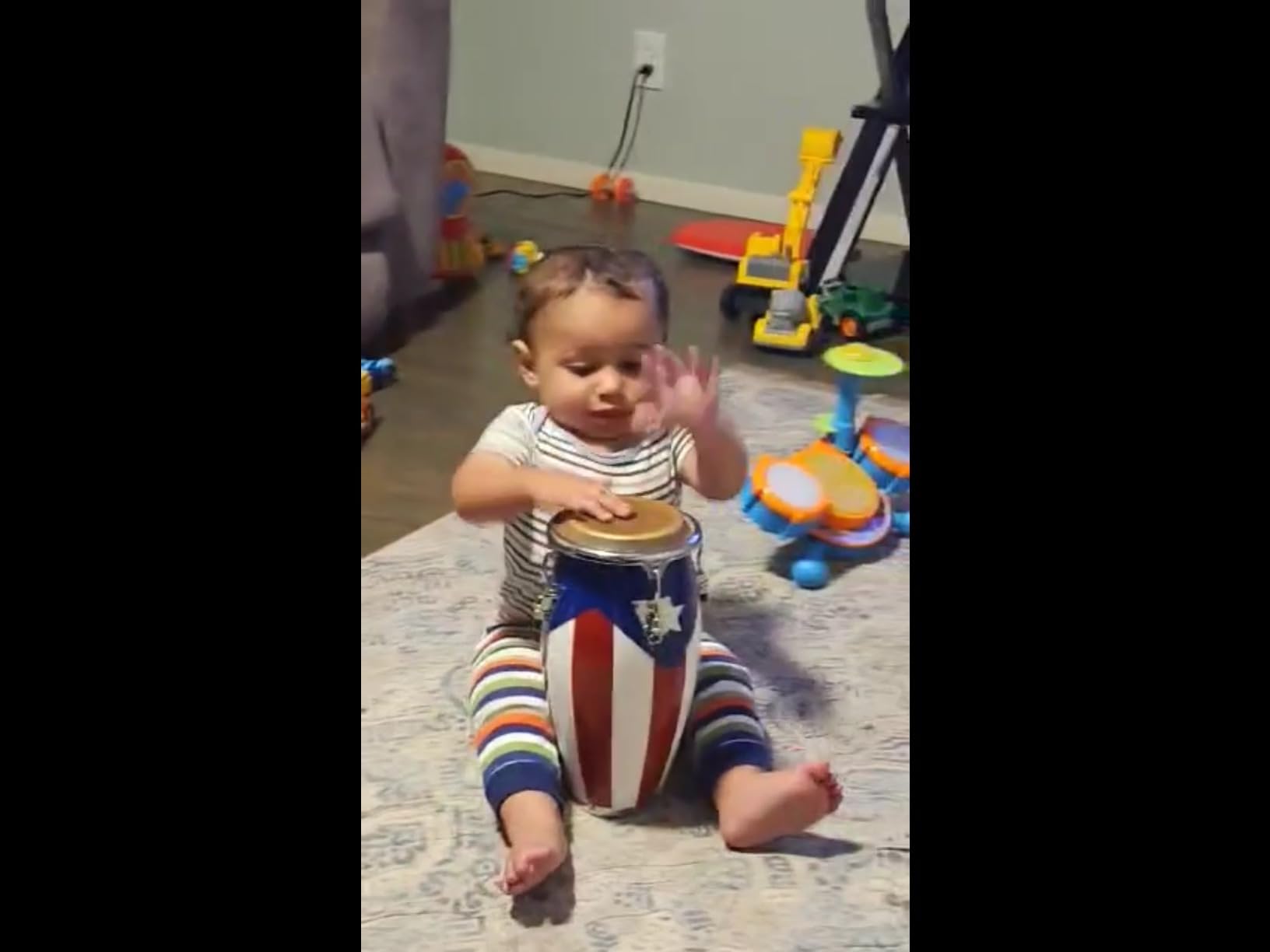
This 4.5 inch mini conga does something most decorative drums refuse to do. The head is natural rawhide and it is tunable, with chrome-plated hardware and miniature Comfort Curve II rims. You can genuinely tune it and hear the pitch change, rather than hitting a fixed plastic head.
The oak shell carries a hand-painted Puerto Rican flag design with a lacquered finish, and the listing frames it as an instrument that can be played or displayed. At 1.38 kg and 11.5 inches overall, it sits on a shelf or a desk without dominating a room, and the rims are small enough for a child’s hands.
With 206 reviews at 4.4 stars and 75 percent five-star ratings, the pattern in the feedback is clear. Buyers like the artwork and are pleasantly surprised by the clean, tunable tone, and the small minority of one-star ratings reflects people who expected a full conga and got a mini instead.
Be clear-eyed about what this is. A 4.5 inch head sits in the high register and gives a thin, bright tone rather than the deep fundamental that makes a conga identifiable. That is fine for tapping rhythms, playing along, or introducing someone to hand drumming, and it is genuinely bad if you are building bass technique.
Can a child or a small-handed player start on this?
The rim diameter is the reason to consider it. Comfort Curve II rims are designed to sit against the palm without digging in, and at 4.5 inches a child can reach around the head with both hands and play without a struggle. That makes it a genuinely useful teaching tool for a young player or someone with small hands who finds a full conga physically awkward.
The 4.5 inch head is also forgiving. A small drum is easy to play at low volume, which matters in flats and shared walls, and it does not need a separate stand if you are playing seated. Once the player can play the four sounds cleanly, move them up to a full-size drum.
Is the mini conga worth buying purely for looks?
As decor and a gift, yes, and the fact that it is tunable rather than a fixed head makes it a better object than most souvenirs in this category. It is a real instrument scaled down, and reviewers consistently note that it works as a gift for drummers and non-drummers alike.
As a first serious conga, no. You will outgrow the head size quickly, and the tone will not teach you the low strokes that are the foundation of the instrument. Treat it as a stepping stone or a display piece, not as the drum that makes you a player.
3. LP City Wood Congas 10 and 11 inch Set – The Top Rated Traditional Pair
Latin Percussion LP City Wood Congas 10″ & 11″ Set – Natural Satin Finish
Siam oak stave shells
Rawhide heads
9/32 inch tuning lugs
10 inch and 11 inch heads
Pros
- Rich deep tones praised by first time and experienced players
- Siam oak shells with rawhide heads and 9/32 inch lugs
- Solid mount that holds both drums securely
- Easy setup with very little tuning needed
- 4.7 stars across 137 reviews
Cons
- Heavy at 57 pounds and awkward to move
- Arrives as two separate pieces
- Some owners want to upgrade the heads later
This is the set most guides name as the safe beginner buy, and the review data backs that up. At 4.7 stars from 137 reviews with 84 percent five-star ratings, it has the strongest rating in the group, and the feedback centres on one word: tone. Owners describe rich, deep sounds that impressed them whether they had played for a year or twenty.
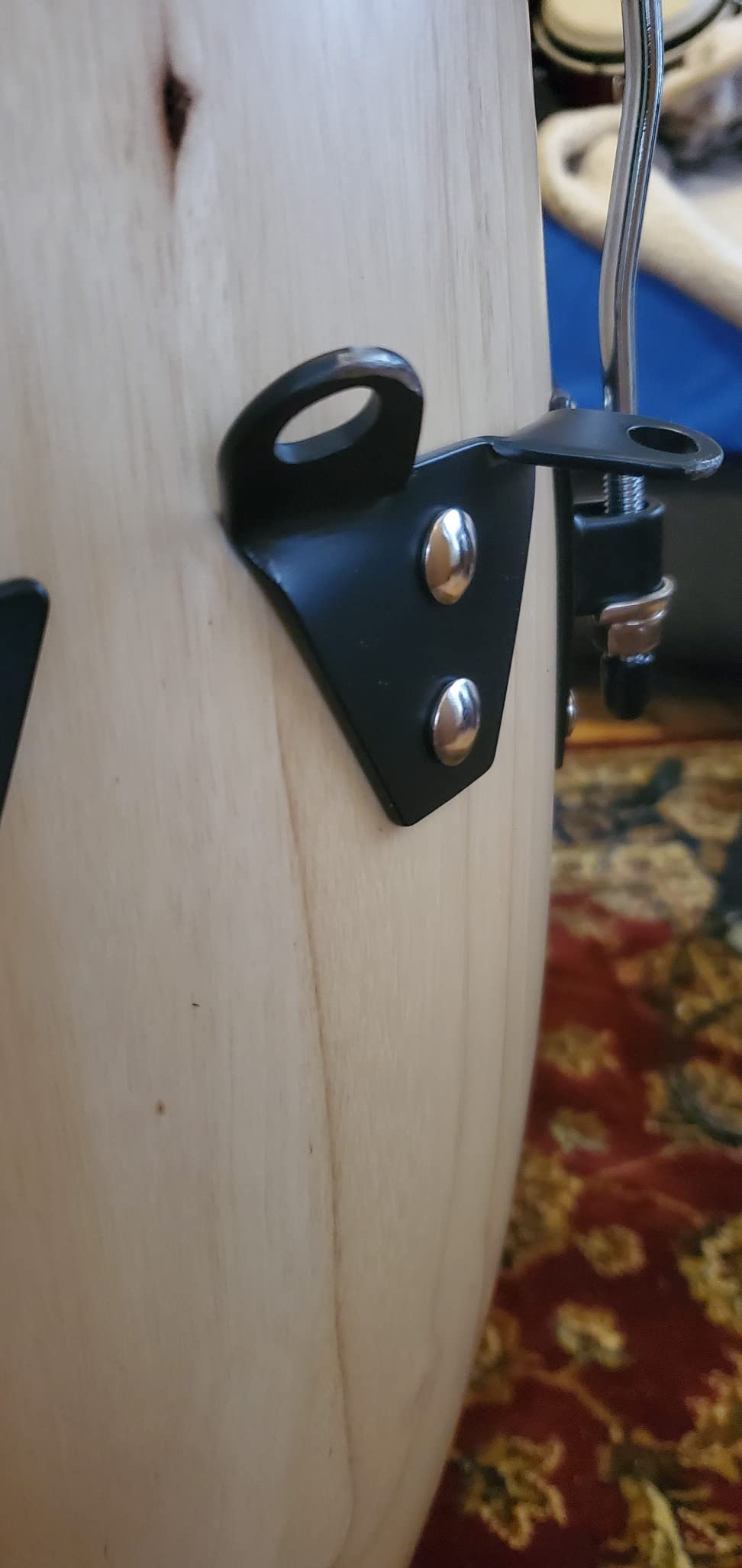
The construction is traditional. The shells are Siam oak, the heads are rawhide, and the hardware is black powder-coated with 9/32 inch lugs, which is a real lug size rather than the thin hardware found on entry-level sets. Rubber bottoms stop the shells sliding when you lean into a slap.
You get a 10 inch drum and an 11 inch drum. That pairing covers the two pitches most beginners need, and the difference between them is exactly what teaches you to move your hands between registers. It needs very little tuning when it arrives, which matters if you have never tuned a drum in your life.
The 57 pound weight is the catch and it is a real one. These are full-size shells and they are heavy, awkward to lift, and unpleasant to carry up stairs. If your practice space is a spare room on the same floor as where you sleep, that is a manageable problem. If it involves a car park and a set of stairs, think twice.
Some owners also report wanting to replace the heads after a while, which is normal. Rawhide heads are a consumable part of owning a conga, and a head swap is a normal maintenance step rather than a defect. The included warranty runs one year and excludes heads, which is standard across the category.
What size conga should a beginner actually buy?
Roughly 10 to 11.75 inches of head, and the reasoning is about technique rather than sound. A larger head gives you more surface to produce the deep palm bass stroke without damping it, which is the stroke beginners struggle with most. On a small drum, the same stroke gets choked into a slap and you learn the wrong habit.
Advice in the r/percussion beginner threads converges on this point: a single decent 11.75 inch drum beats two cheap smaller ones for developing hand technique, because the head size determines whether the bass stroke works. The LP City set gives you a 10 and an 11, which is close to the sweet spot and adds the two-drum coordination you cannot get from one drum.
Are LP Aspire and City series congas good enough for a serious player?
The City series is where many intermediate players land, and the feedback suggests they stay there happily. This set specifically gets called a step up rather than a compromise, with owners noting the quality of the shells and hardware relative to cheaper two-drum sets in the same bracket.
What you give up by starting here is refinement. These are mass-produced drums with conventional hardware, and if you later want a more open, projecting tone you will move up the range. For a first traditional pair, though, the balance of shell, head, and hardware here is hard to argue with.
4. Hushly 11 inch Conga with Stand – The Easiest First Drum to Set Up
Conga Drum 11″ + Stand – RED Wine -World Percussion New!
11.5 inch playable head surface
Kiln dried wood shell
Five tuning lugs
Adjustable stand included
Pros
- Adjustable stand with 360 degree rotation is included in the box
- Full deep balanced tone that owners rate above the price point
- Kiln dried shell that resists humidity and temperature change
- Five lugs give even tuning around the head
- Red wine finish looks the part on stage
Cons
- Some owners need time to find the pitch they want
- Occasional reports of the drum arriving damaged
- Matte stand hardware is functional rather than premium
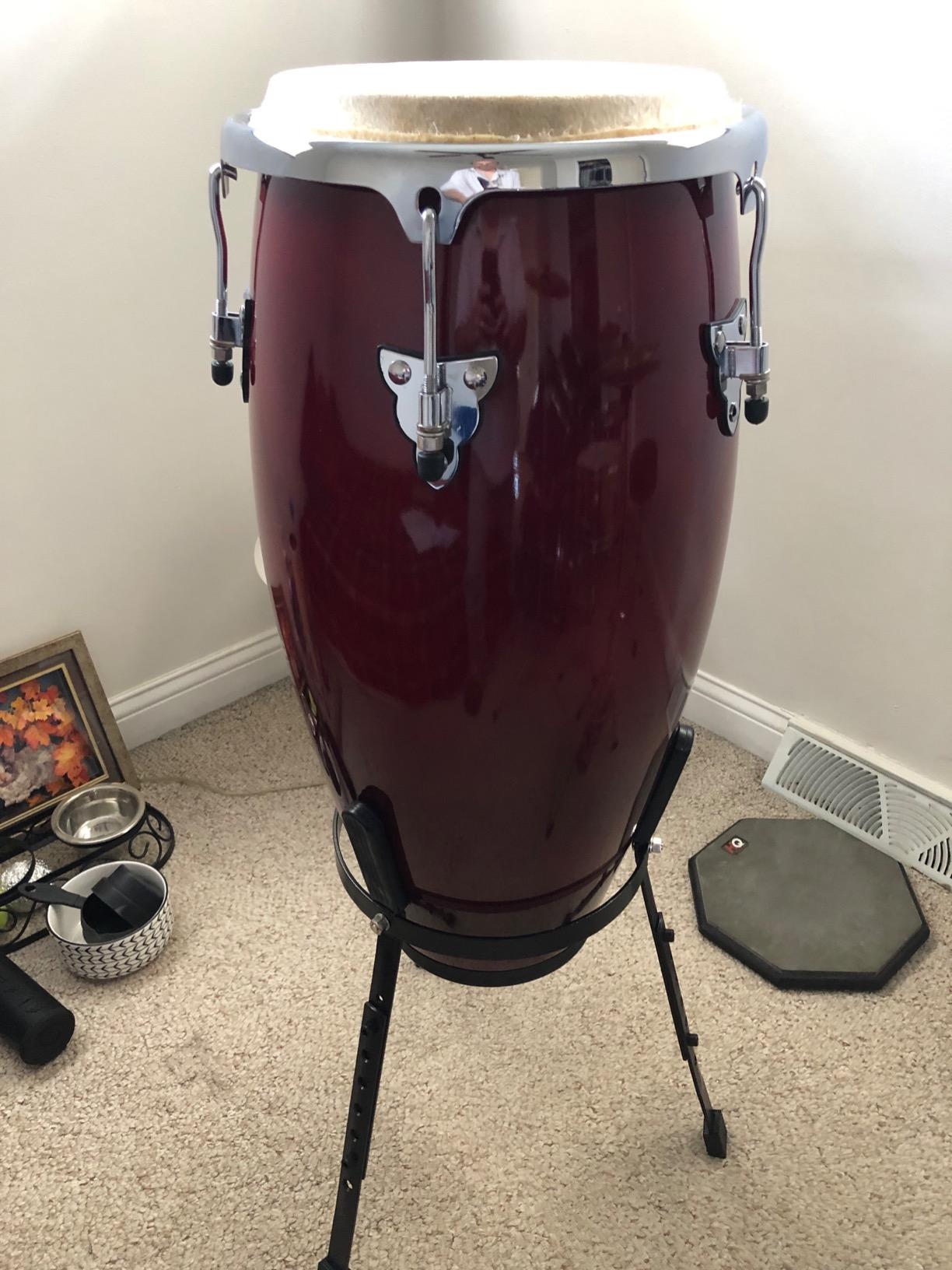
The argument for this drum is simple. It comes with a stand. For a first conga, the stand is a separate purchase that beginners routinely forget, then either skip entirely and end up playing a drum balanced on a chair, or discover they need at the same time as the drum.
The shell is kiln dried wood, which is the detail worth noting. Kiln drying is what keeps a shell from reacting to humidity and temperature swings, and that stability is why this drum holds its tuning rather than going flat every time the weather turns. The heads are natural rawhide, and five tuning lugs spread the tension evenly around the head.
Size-wise it lands right in the beginner range. The conga is 28.5 inches tall, 13.5 inches across to the outside of the head ring, and the playable head surface measures 11.5 inches, which is right at the diameter the r/percussion beginners recommend for technique. The stand adjusts from roughly 39.5 inches overall to 49 inches and rotates through 360 degrees.
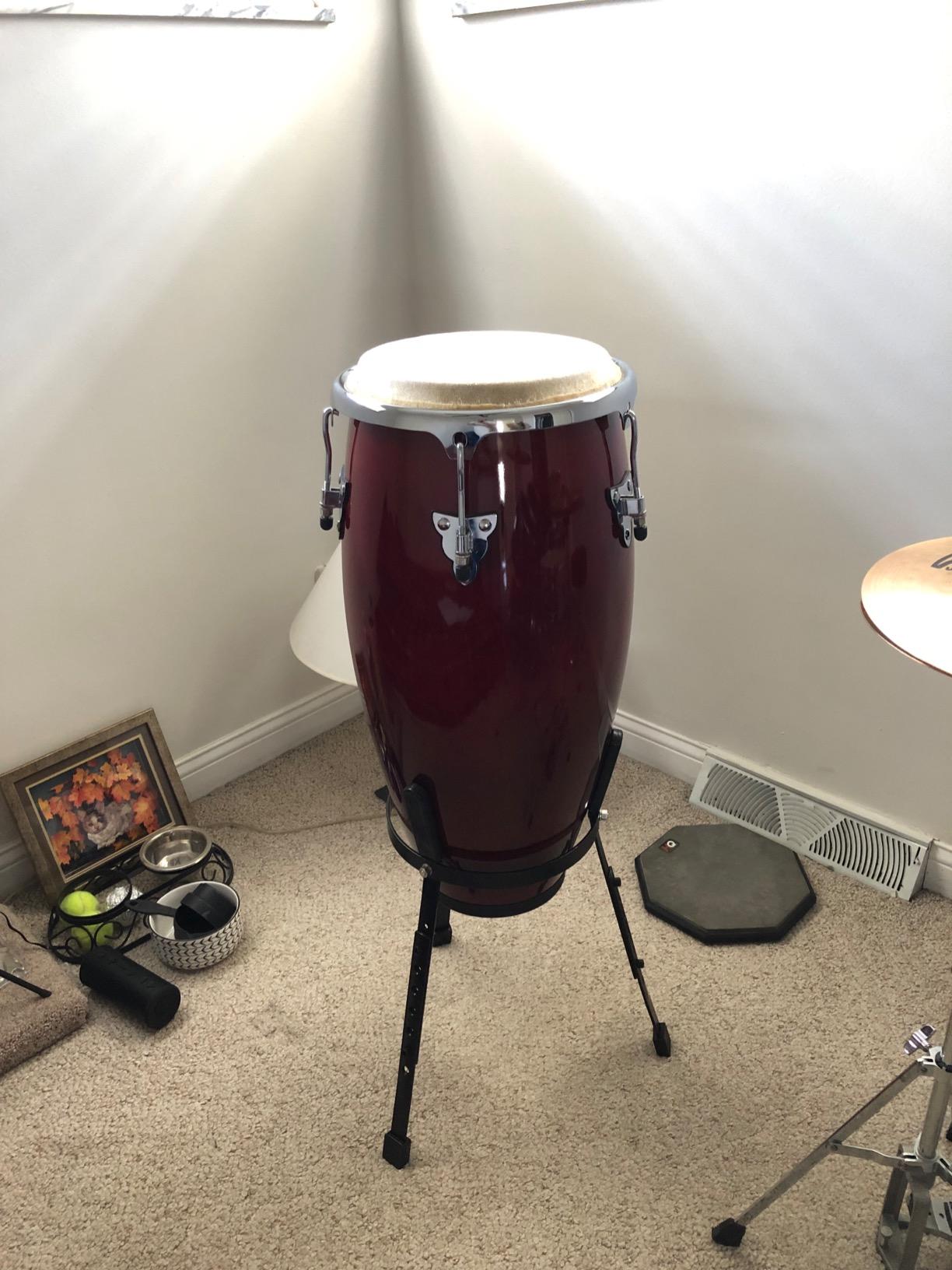
At 4.6 stars from 103 reviews, the feedback is consistently positive, and the recurring theme is that owners feel it sounds more expensive than it is. Several describe it as a step up from a plastic-shell starter set, and the bundled adjustable stand is singled out as the thing that made setup painless.
Two caveats. A minority of buyers found it hard to land on the pitch they wanted and needed to spend time tuning it, which is normal for rawhide but worth knowing if you want something playable within five minutes. There is also an isolated report of transit damage, so inspect the shell and hardware as soon as it arrives.
Why does the included stand matter so much?
Because playing position is the difference between practising and struggling. A conga hung too low forces you to hunch; hung too high, you cannot reach the head properly for the bass stroke. A height-adjustable stand lets you set the drum to your own body in ten seconds, and that one adjustment makes a huge difference in the first month.
Most beginners also underestimate how much of the first purchase is not the drum. Stand, tuning wrench, a way to store the instrument, and somewhere to put it all. This bundle covers the piece people forget, which is why it is the least frustrating option for someone who has never owned a hand drum.
Is one 11 inch conga enough to learn on?
For the first year, yes. A single drum in the 11 to 11.75 inch range is the standard recommendation in the beginner discussions on r/percussion, and the logic is that head size drives technique while drum count drives musicality. Get the head size right and you can add a second drum in a couple of years when you actually hear the need for it.
What you miss is the two-drum coordination. A single drum means you practise each pitch on its own rather than switching between them inside a pattern. That is a later-stage problem, and picking a larger drum now solves the more urgent one.
5. Toca 2300BB Bahama Blue Conga – Two Ply Shells and a Very Clean Finish
Toca 2300BB Conga Drum, Bahama blue
10 inch and 11 inch head diameters
Two ply 28 inch wood shells
Black powder coated hardware
6 pounds per drum
Pros
- Bahama blue finish gives a distinctive high end look
- Two ply wood shells with rawhide heads for a full tone
- 10 and 11 inch drums cover a wide open to low pitch range
- Powder coated hardware and stainless steel components
- 4.7 stars with 86 percent five star ratings
Cons
- Two full size shells are heavier and bulkier than a single drum
- Two drum format needs more room to store and play
- Only 54 reviews so long term feedback is limited
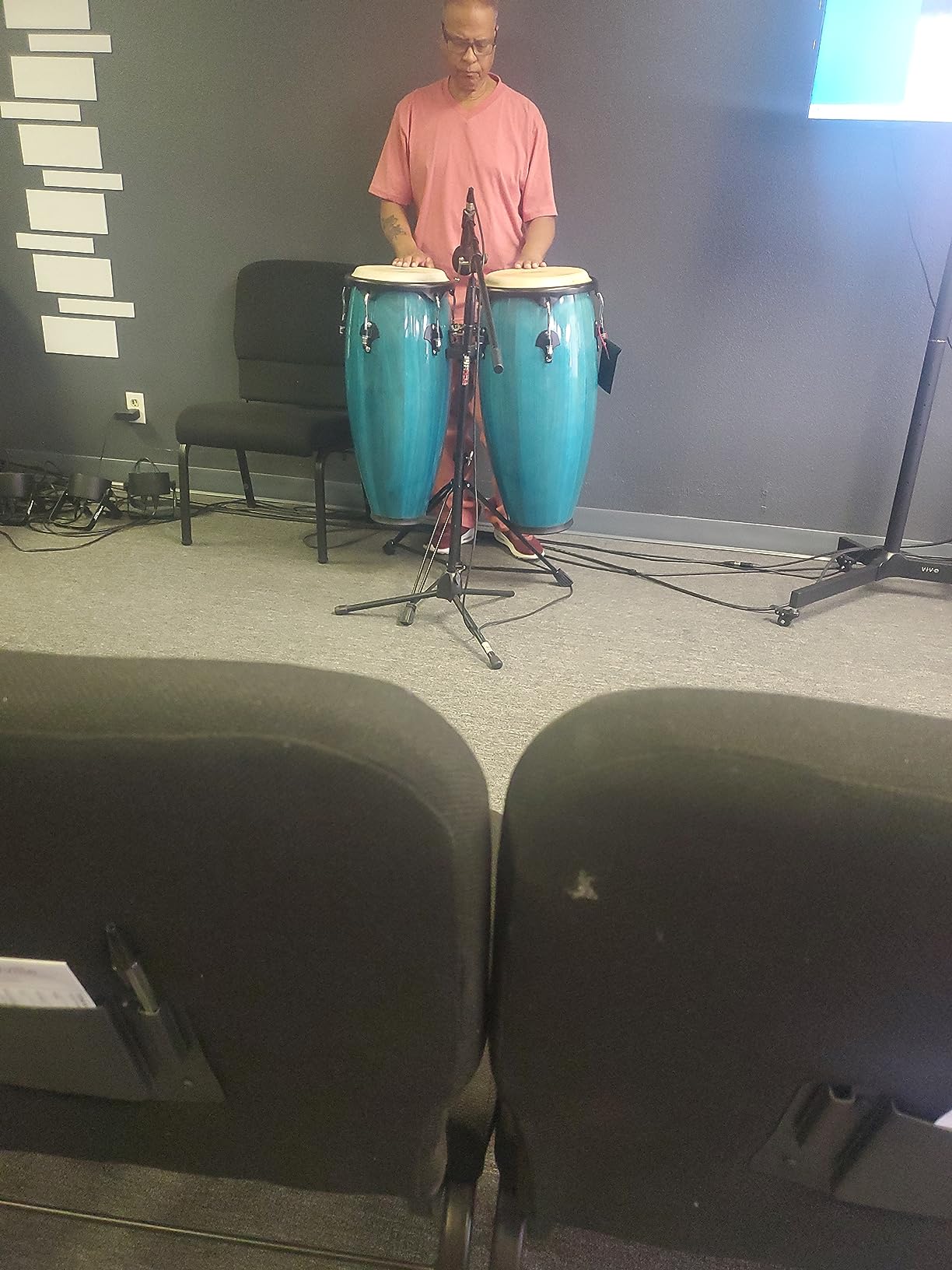
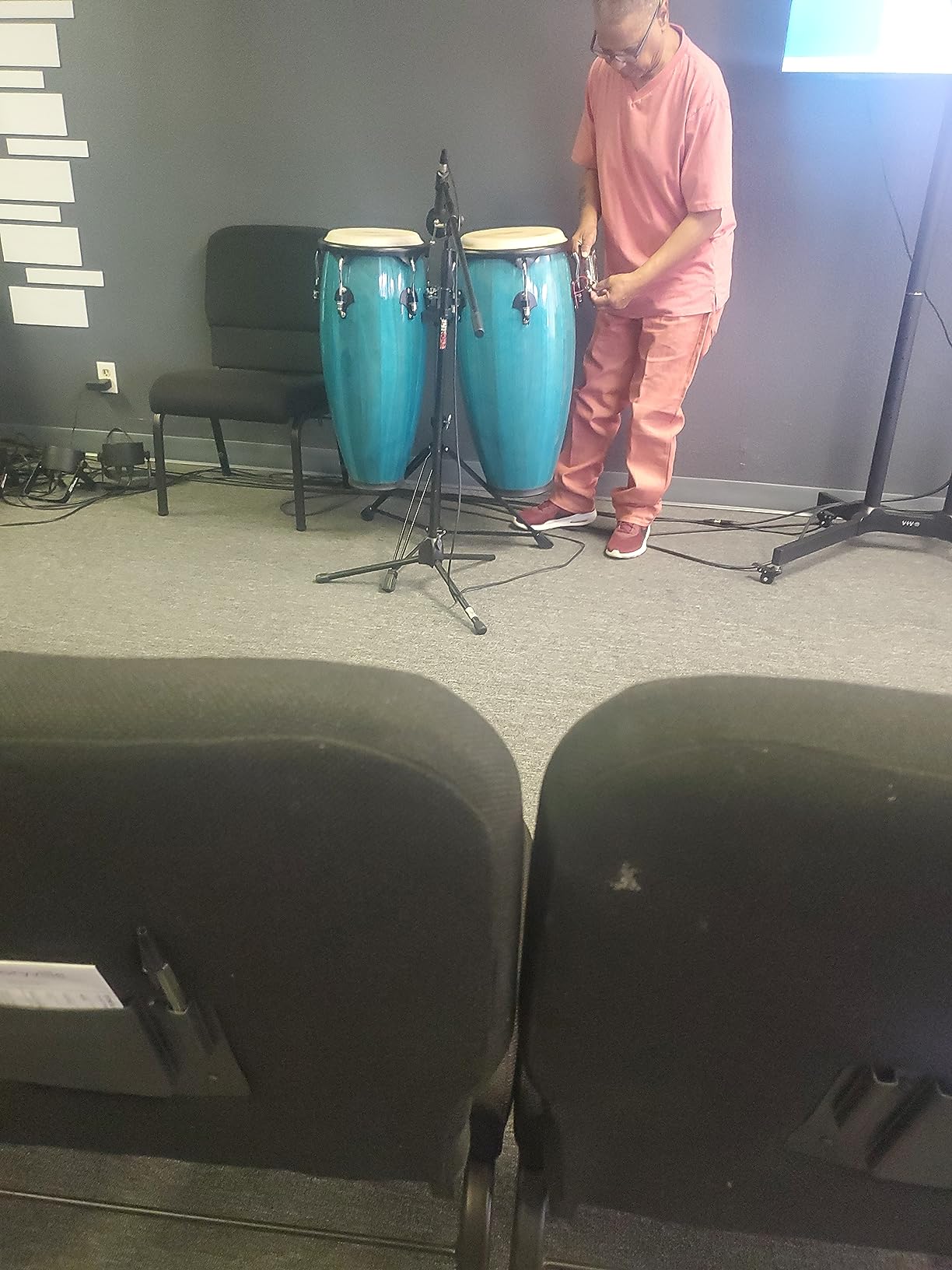
The Toca Synergy Bahama Blue set is the one in this group that gets described as beautiful first and functional second. The finish is the talking point, and it genuinely looks like a stage instrument. Under lights it reads as one of the more expensive drums in a room.
Underneath the finish the build is serious. The shells are 28 inch two-ply wood, which is a sturdier construction than the single-ply shells on cheaper sets, and the heads are rawhide. The hardware is black powder coated with stainless steel components, and the head diameters are 10 and 11 inches.
With 4.7 stars from 54 reviews and 86 percent five-star ratings, this is the highest-rated item in the guide. The gap between the percentage of five-star ratings and the raw score is unusual and worth noting: owners are not merely satisfied, they are enthusiastic, and the word that recurs is a worthwhile step up.
The limitation is review depth. 54 reviews is a thin base, so the score tells you the owners who bought it are happy, not that the drum has a decade of service behind it. For a big purchase where you want long term reliability, the LP City set has more than twice the feedback at the same rating.
Size and storage are the practical issues. Two full-size shells take up real space and need to be moved as a pair, so this is a set for a room you can dedicate to it rather than a drum you pull out when you have twenty minutes.
Should I buy this or the LP City Wood set?
They sit in similar territory and the choice comes down to what you value. The Toca gives you two-ply shells, stainless steel components, and a finish that will not embarrass you in front of other players. The LP City gives you a larger body of owner feedback, and reviewers describe its tone just as warmly.
If you are the kind of beginner who will be playing in front of other people and cares how the kit looks, take the Toca. If you are still deciding whether you will stick with it, take the option with the deeper review history, because you are buying on trust when you cannot hear the drum first.
How do I get the deep tone out of a 10 inch head?
Play lower on the head than feels natural. The bass stroke wants to land an open palm below the centre of the head, where there is enough skin to move, and beginners instinctively hit the middle because that is where the drum is loudest. Practise the stroke slow and heavy until it feels like the whole drum is moving rather than being tapped.
Keep your fingers off the surface on the bass stroke. A relaxed open palm with no tension in the fingers produces a round, singing note; a tense hand gives you a short thud. This is a technique fix, not a drum fix, and no purchase will compensate for it.
6. Meinl MC100NT Mini Conga – Real Hardwood, Real Buffalo Skin, Small Footprint
Meinl Percussion 4 1/2″ Mini Conga with Hardwood Shell and Tunable Buffalo Skin Head-NOT MADE IN CHINA-Natural, 2-YEAR WARRANTY, (MC100NT)
4.5 inch by 11 inch body
0.5 kg weight
Buffalo skin head
Tuning wrench included
Pros
- Genuinely tunable hand selected buffalo skin head with included wrench
- Same hardwood shells as Meinl professional congas
- Glossy natural finish
- About 2/5 the size of a standard conga so it is easy to carry
Cons
- High pitched novelty tone rather than a deep conga sound
- 9 percent two star ratings from buyers who see it as decor
- Not a substitute for a full size conga in a serious context
This is the mini conga to buy instead of the one at number two. Meinl builds the MC100NT with the same hardwood shells as their professional congas and a hand-selected buffalo skin head, and the head is tunable with the wrench included in the box. Nothing about the construction is a shortcut; only the size is.
At 4.5 inches wide and 11 inches tall, it is roughly two fifths the size of a regular conga and weighs 0.5 kg. That is a genuinely portable instrument rather than a shelf ornament, and Meinl backs it with a two year manufacturer warranty, which is the longest on the mini options.
Reviews sit at 4.3 stars from 41 owners with 76 percent five-star ratings. That is a lower score than the other mini, and the reason shows up clearly in the feedback: 9 percent two-star ratings from people who wanted an instrument and found a display piece.
What differentiates it from a typical decorative conga is the buffalo skin head. Buffalo skin is thinner and more responsive than cow hide, and on a small drum that produces a brighter, more articulate tone with real projection for its size. If you are buying a mini, this is the one that plays like an instrument.
Is a 4.5 inch head useful for learning?
For rhythm, yes. The four sounds are all available and a small head is easy to play quickly, which makes it good for building speed and for playing along with records in a small room. The rim is small enough for young hands and the whole thing can be carried in one hand.
For the conga sound itself, no. The pitch sits at the top of the register and the head is too small to develop a true bass stroke. Beginners who start on a 4.5 inch drum often spend months tapping instead of learning the palm technique that carries the instrument.
Buffalo skin versus cow hide on a small conga?
Buffalo skin is thinner, which means more sensitivity to touch and a brighter, more immediate response. On a small drum that brightness is an advantage, because the head is small enough that a thicker skin would choke the response entirely.
On a full-size conga the calculation flips. A thin buffalo head on a large shell is lively but less stable in changing weather, while a cow hide head gives a deeper, more focused tone and holds tuning better. Match the skin to the drum size, and check with the maker before swapping heads on anything under warranty.
7. Toca 2300FWH Fiberglass Conga Set – The Travel and Outdoor Option
Toca 2300FWH Synergy Series Fiberglass Conga Set with Stand – White
Fiberglass shells
10 inch and 11 inch rawhide heads
28 inch shell height
Double braced stand included
Pros
- Lighter and easier to move than comparable wood sets
- Weather resistant shells for outdoor playing
- Includes a height adjustable double braced double conga stand
- Five chrome tuning lugs with rawhide heads
- Clean white finish looks good under stage lights
Cons
- Several reviews report receiving only one drum and an incomplete stand
- 20 percent one star ratings tied to fulfillment issues
- Only three months of manufacturer warranty
- Small review base of 19 makes the rating less reliable
The argument for fiberglass is durability. The shells on this Toca Synergy set do not care about humidity, rain, or being left in a car, which makes them the pick for outdoor playing, beach events, street performance, and anyone who moves their kit between rooms. At 21 pounds the pair is also markedly easier to lift than the wood sets in this guide.
Underneath that, the specification is respectable. Ten and eleven inch rawhide heads on 28 inch shells, black powder coated hardware, five chrome tuning lugs, and a height-adjustable double-braced double conga stand in the box. Reviewers who received a complete set generally praise the tone, calling it good for a fiberglass set.
What gives this a 4.2 rating across 19 reviews is fulfillment, not sound. A meaningful group of one-star reviews reports receiving a single conga with an incomplete or incorrect stand, and 20 percent one-star ratings is the weakest spread in the group. There is also only three months of manufacturer warranty, shorter than the wood sets here.
Are fiberglass congas good for beginners?
They are good in two specific ways. First, they tolerate abuse, humidity, and temperature changes better than wood, so a beginner who is moving the drum around outdoors is not fighting a shrinking shell. Second, they are lighter, so the physical habit of setting the drum on a stand and adjusting it stays easy.
The trade-off is tone. Fiberglass shells are harder and more reflective than Siam oak, which gives a brighter, more projecting voice with less of the warm fundamental that makes a wooden conga sound like a wooden conga. That is a legitimate preference rather than a defect, and plenty of players prefer it for cut-through.
What should I check when this set arrives?
Count the pieces. Two drums, one double conga stand, and a hardware pack. Owners report missing drums and incomplete stands on this listing specifically, so open everything before you tune and keep the packaging until you have confirmed the full set is present and undamaged.
Check the three month warranty window and note the date. Hardware problems show up early, so this is the period to test every lug and the stand’s height adjustment. If something is loose, that is when you contact the seller.
8. Zenison 9 and 10 inch Conga Set – The Most Drum for the Least Money
Zenison 9 & 10 inch Conga Drums with Stand Latin Percussion Natural Wood
9 inch and 10 inch rawhide heads
14 inch drum height
Double braced stand from 30 to 42 inch
Tuning wrench pouch included
Pros
- Two drums
- a stand
- and a tuning wrench pouch in one package
- Rawhide heads give an authentic tone for casual playing
- Compact 14 inch height suits small rooms
- Stand adjusts from 30 to 42 inches and is double braced
Cons
- Lowest average rating of the sets compared at 4.1 stars
- 20 percent of ratings sit at two stars
- Entry level shell and hardware
- 30 day warranty is the shortest in the group
Read this one as the budget floor rather than a recommendation for a serious student. You get two drums at 9 and 10 inch head diameters, rawhide heads on 14 inch shells, a fully adjustable double-braced stand, a tuning wrench, and a pouch to keep the wrench in. That is a lot of package for a first purchase.
The size is the interesting part. At 14 inches tall these are dramatically shorter than the 28 inch congas elsewhere in this guide, which means they are far easier to store in a flat or a small apartment and lighter to lift. The stand adjusts from 30 to 42 inches, which covers most seated and standing players.
With 16 reviews at 4.1 stars and 63 percent five-star ratings, satisfaction is moderate. Owners appreciate the value of getting drums, a stand, and a wrench together and like the rawhide tone for casual playing. The 20 percent cluster of two-star ratings points at the limits of the shells and hardware at this level.
Head diameters of 9 and 10 inches are also below the range that supports good bass technique. Both drums are playable and both are real drums, but you are working with a smaller head surface than the 11 to 11.75 inch sweet spot the beginner discussions on r/percussion keep pointing to.
Is a 9 and 10 inch pair too small for a first conga?
For rhythm, no. Both drums respond, the rawhide heads give you full range of conga sounds, and a short 14 inch shell is genuinely easier to play while seated. Plenty of players use small-head congas as practice instruments indefinitely.
For technique development, it is a compromise. You will find it harder to produce a clean, open palm bass on a 9 inch head, and that is the stroke that separates someone who has learned the instrument from someone who can only slap it. If you can afford to add a larger drum later, this is a reasonable first step.
What is the 30 day warranty worth to me?
Very little in practice, so treat it as a quality check window rather than coverage. You have about a month to confirm that the heads seal, the lugs hold tension, and the stand locks securely. After that, any failure is on you, which is the norm at this level but worth knowing before you buy.
A better way to use this listing is as a deliberate stepping stone. Buy the package, learn the four sounds on it, and then upgrade to a full-size 11.75 inch drum once you know you want to keep playing. The head swap forum advice applies here: many players start on a small set and move up without regretting the first purchase.
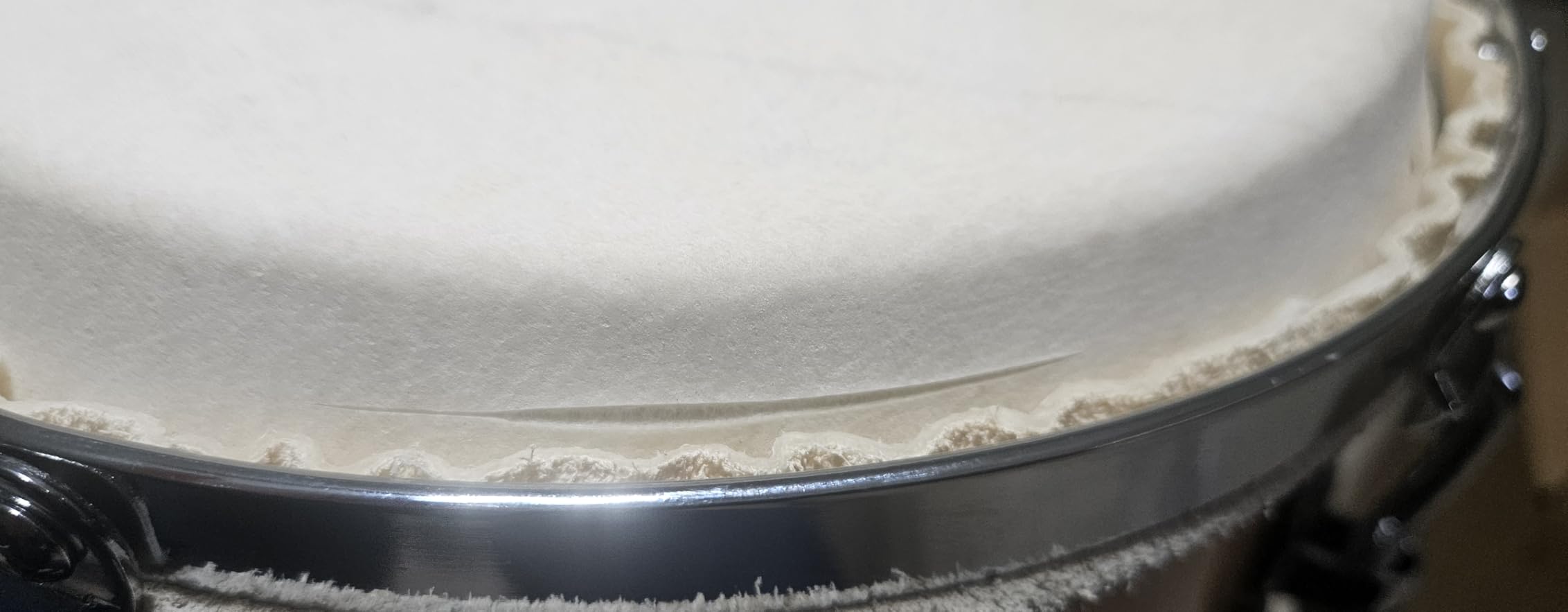
The honest summary is that this set does what it says at a price point where nothing else includes a stand and two drums. It is not where the tone, the shell quality, or the head size will keep you happy for years, and the 4.1 average reflects that.
If your goal is a drum you will still be playing in five years, spend the difference and get a proper 11 inch head with a kiln dried shell. If your goal is to find out whether hand drumming is for you without spending much, this package answers that question and includes everything you need to start tonight.
How to Choose Your First Conga: A 5-Step Path?
Work through these in order and the decision makes itself. Most buyers do them backwards, fixating on the finish or the brand and only thinking about head size once the drum has arrived.
1. Pick the head diameter first
This is the decision that shapes everything else. For technique development, target 11 to 11.75 inches of head. Below 10 inches the palm bass stroke gets choked, and above 12 inches the drum is physically demanding for a new player.
2. Decide one drum or two
One drum in the 11 to 11.75 inch range is the most common recommendation for a first conga because it lets you focus on the four sounds. Two drums add pitch range and the coordination skill, and make more sense if you already play another instrument well or practise with other people.
3. Choose rawhide over synthetic
Every drum in this guide ships with rawhide heads, and for a beginner that is the right default. Rawhide gives a warm, responsive feel and the full range of conga sounds. Synthetic heads are stable, weatherproof, and cheaper to replace, but they feel harder and give a thinner response that beginners often read as a stiff drum.
4. Check the shell and the hardware
Look for a real lug size, quoted in fractions, rather than a generic mention of tuning lugs. The LP City set uses 9/32 inch lugs and the Hushly uses five lugs, both of which are meaningful where cheaper sets stay vague. On shells, quarter-sawn or two-ply construction and kiln drying are the terms worth hunting for.
5. Count what is in the box
Stand, tuning wrench, and a pouch for the wrench are the three most commonly missed extras. Two of the eight products here include a stand, and those are the two where a first-time buyer will have the least friction on day one. If the drum does not come with a stand, budget for a height-adjustable one in your plan.
More general buying advice for first instruments is in our beginner kit roundups, which cover the same size-then-spec logic across other sports and crafts.
Conga Sizes Explained: Quinto, Conga, and Tumba
The naming confuses almost everyone, including most sellers. The terms quinto, conga, and tumba describe pitch roles and drum diameters overlap between them, so a listing that says conga tells you less than a listing that gives you inches.
Quinto is the highest-pitched conga, generally around 11 to 11.75 inches of head. It sits at the front of the tumbao pattern and takes the fastest open tones. Many beginners find it the most responsive drum to start on because high open tones come back fastest.
Conga is the middle voice, typically 11.75 to 12.5 inches. This is the drum most people picture, and it carries the open tone and slap in a standard two-drum setup.
Tumba is the lowest voice, usually 12.5 to 14 inches, and it holds the bass notes. It is the biggest of the family and the heaviest to play, which is why it rarely appears as a beginner’s first drum despite being the one most associated with the instrument’s name.
The practical rule: buy by diameter, not by name. If a listing tells you the head size in inches, you can place it in the family instantly. If it only says conga, assume it is somewhere in the middle and check the actual head measurement in the specifications.
One term to ignore. The forbidden conga is a rule in some Afro-Cuban folkloric traditions about which drum plays which voice, tied to ritual and cultural context. It has nothing to do with buying a drum, and you will not find it in any beginner’s product documentation.
Heads, Shells, and Hardware: What Actually Matters?
These four decisions change how your conga responds far more than the brand name does. Once you know what to look for, spec sheets become easy to read.
Rawhide heads and the upgrade path
Rawhide heads are made from animal skin, typically cow or water buffalo, and they are the standard on every conga in this guide. They give the warm, singing response that defines the instrument, and they break in over the first weeks as you play them.
The important thing for beginners is that a head is a consumable, not a permanent part of the drum. This is why head upgrades come up so often in the beginner discussions on r/AfroCuban: buy a decent shell, treat the first head as temporary, and replace it later with a better skin. That path turns an entry-level drum into a long-term instrument instead of something you throw away.
Synthetic heads are the alternative. They hold tension in any weather, cost less, and travel well, but they feel harder under the hand and produce less of the low-end bloom that makes a conga sound good. For a beginner who will practise indoors, rawhide is the better first choice.
Wood versus fiberglass shells
Siam oak, mahogany, and similar woods give a warm, focused tone with a natural decay, and they are what the majority of traditional congas use. Kiln drying matters more than the species, because a properly dried shell is what holds its tuning through humidity changes.
Fiberglass shells are lighter, tougher, and immune to weather, and they produce a brighter, more projecting tone. For outdoor playing, frequent transport, or a drummer moving between rooms, that is a real advantage. The trade-off is a harder feel and less of the warm fundamental.
Stave construction versus molded shells
A stave conga is built from narrow strips of wood, glued edge to edge, which is why traditional shells show a subtle vertical grain pattern. Staves give a lively, resonant shell that responds well to slaps. Molded or solid shells are a single piece or a laminated sheet, which is faster and cheaper to produce.
Two-ply shells, as on the Toca 2300BB, are a middle ground: staves, but two layers of them, for extra stiffness at a modest weight cost. For a beginner, any of these works. What does not work is a very thin single-ply shell that buzzes under sustained slaps.
Rims, lugs, and stands
Rims are where your hands live. Comfort Curve and EZ Curve style rims, found on the LP minis and the City series, are contoured so they do not dig into the base of your fingers during a long slapping session. Flat-edged rims are harsher and will tell you about it after an hour.
Lugs are the tuning hardware. A quoted diameter such as 9/32 inch tells you the lug is a real, serviceable part, and a higher lug count spreads tension more evenly for a steadier pitch. Five lugs, as on the Hushly drum, are plenty for a beginner.
Stands deserve a line of their own. A conga needs a height-adjustable stand that you can angle toward you, and cheap fixed stands are the main reason beginners quit in month two. Two of the eight products here include one, and the difference in day-one experience is immediate.
Single Drum or a Set: The Decision Beginners Get Wrong
Almost every beginner faces this, and almost every beginner gets contradictory advice. Some guides push a two-drum set for value. Forum advice, particularly in the beginner conga threads on r/percussion, leans the other way: a single decent 11.75 inch drum is better than a cheap set of two smaller ones for technique.
The forum side is right, and the reason is head size. A pair of 9 and 10 inch drums looks like more value but gives you two small heads to practise on instead of one good one. Buy the same money as one 11.75 inch drum and you get a head surface where the palm bass stroke actually works.
Choose the set instead if you already play an instrument and can pick up pitch relationships quickly, if you practise with other people, or if you plan to play in a group within the year. The LP City Wood and Toca Synergy pairs in this guide are the versions I would choose for those cases.
One middle path works well: start with a single larger drum, and treat the second as a year-two purchase. That is the sequence most experienced players describe, and it means you never outgrow your first instrument.
You can read the same single-versus-set logic in our beginner kit buying guide, where the argument is about which pieces you actually need on day one.
Frequently Asked Questions
Are congas easy to play?
Yes for basic rhythm and reasonably fast for the first few sounds. A conga is played bare-handed, and an open palm, fingertips, a flat hand, and a muted palm give you bass notes, open tones, slaps, and ghost notes from the same head. Most beginners can play a steady tumbao within a few weeks. The hard part is not memorising rhythms but building the strength and control in your hands for a clean bass stroke.
What is the best conga size for a beginner?
Aim for a head diameter between 11 and 11.75 inches. That range gives you enough surface to produce an open palm bass stroke without choking it, which is the skill beginners struggle with most. Conga naming is unreliable, so check the head measurement in inches rather than trusting a listing that only says conga. Buy by diameter, not by whether it says quinto, conga, or tumba.
Should a beginner buy a single conga or a set?
Most beginners do better with a single drum in the 11 to 11.75 inch range. Head size drives technique, and one well-sized drum lets you focus on the four core sounds instead of splitting attention between two smaller heads. Choose a two-drum set if you already play another instrument well, practise with other people, or expect to join a group within a year.
What is the easiest drum to play for beginners?
The easiest drum for most new players is the bongo, because the two heads sit side by side and your hands can reach both without repositioning. Congas are the easiest hand drum with a strong rhythmic role, since four sounds come from one head and no sticks are involved. If you want a full kit, a practice pad and snare kit is the most common starting point. Our beginner instrument guides cover these options in more depth.
Are fiberglass congas good for beginners?
They are good for beginners who play outdoors, travel with their instrument, or move their drum between rooms frequently. Fiberglass shells are lighter than wood, resist humidity and temperature changes, and give a brighter, more projecting tone. The trade-off is a harder feel under the hand and less of the warm low fundamental that a wooden shell produces. For indoor practice at home, a wood shell is usually the better first choice.
Are congas hard to learn?
The early stages are not hard. Bass notes, open tones, slaps, and ghost notes are all learnable within weeks, and the patterns used in basic tumbao are repetitive enough to build muscle memory fast. What takes longer is relaxed hands, consistent tone between the two drums, and dynamic control across a full arrangement. Players with kit drumming backgrounds usually transition quickly because the limb independence is familiar.
Final Verdict: The Best Conga for Beginners in 2026
The best congas for beginners come down to one question: where will the drum live. If space is the constraint that has been stopping you play at all, the LP Laptop Conga is the pick, because it gives you both conga pitches on your lap and stays put in a flat. If you have room for a full-size pair, the LP City Wood 10 and 11 inch set is the runner-up, with the best rating in this guide and owner feedback that keeps calling the tone rich and deep. And if your first conga is also your only conga, the Hushly 11 inch drum with its included stand removes every excuse not to practise.
Buy the head size first, the stand second, and the finish last. Get that order right and whichever of these you choose will teach you properly.