
Picking the best complete works of Shakespeare editions is harder than it sounds. The First Folio of 1623 left us 36 plays, 154 sonnets, and two long poems, and every modern editor since has had to choose a base text, modernize the spelling or keep it original, and decide what scholarly apparatus belongs in the margins. I have spent the last few months weighing single-volume scholarly editions against leather-bound gift volumes against the cheap omnibus paperbacks that crowd airport bookshop tables, and the gap between them is enormous.
This guide pulls together ten complete works I would actually recommend, ranked for specific readers: students who need notes, scholars who need textual variants, actors who need performance context, gift buyers who need something beautiful, and collectors who want a Folio Society-style showpiece. You will find a quick-picks box at the top, a comparison table covering all ten editions, individual reviews with first-person notes, and a buying guide that walks through how to choose between modernized and original spelling, complete works versus individual plays, and the editions I think you should avoid.
If you are also weighing annotated single-play editions, our annotated Shakespeare guide pairs well with this one, and our Arden vs Folger comparison is the deep-dive companion if you keep landing on those two names.
Table of Contents
Top 3 Picks at a Glance

Canterbury Classics Leather-bound…
- 1392 pages
- single-volume omnibus
- gilded edges
- ribbon marker
- collectible gift format

Oxford Shakespeare: The Complete Works,…
- 1344 pages
- edited by Wells and Taylor
- scholarly single-volume
- Edward III and Sir Thomas More included

Barnes & Noble Omnibus Leatherbound…
- Full canon in one bound volume
- attractive leatherette binding
- compact trim size
Best Complete Works of Shakespeare Editions in 2026
| Product | Specifications | Action |
|---|---|---|
| Canterbury Classics Leather-bound Shakespeare |
|
Check Latest Price |
| Oxford Shakespeare Complete Works 2nd Edition |
|
Check Latest Price |
| Barnes & Noble Omnibus Leatherbound Shakespeare |
|
Check Latest Price |
 The Complete Pelican Shakespeare The Complete Pelican Shakespeare |
|
Check Latest Price |
 The RSC Shakespeare Complete Works The RSC Shakespeare Complete Works |
|
Check Latest Price |
 The Norton Shakespeare Third Edition The Norton Shakespeare Third Edition |
|
Check Latest Price |
 The Riverside Shakespeare Second Edition The Riverside Shakespeare Second Edition |
|
Check Latest Price |
 Arden Shakespeare Third Series Complete Works Arden Shakespeare Third Series Complete Works |
|
Check Latest Price |
 New Oxford Shakespeare Modern Critical Edition New Oxford Shakespeare Modern Critical Edition |
|
Check Latest Price |
 Modern Library Complete Works Modern Library Complete Works |
|
Check Latest Price |
1. Canterbury Classics Leather-bound Complete Works of Shakespeare – Best Overall for Gift and Display
The Complete Works of William Shakespeare (Leather-bound Classics)
1392 pages
Leather-bound hardcover
Gilt edges with ribbon marker
Edited by Michael A. Cramer
Pros
- Ornate leather-bound binding that looks right on any shelf
- Gilded edges and ribbon marker feel genuinely gift-worthy
- Single omnibus volume with all 36 plays sonnets and longer poems
- Strong hardcover construction built for long-term display
Cons
- Heavier than typical paperback editions
- Smaller trim format can challenge readers used to large scholarly printings
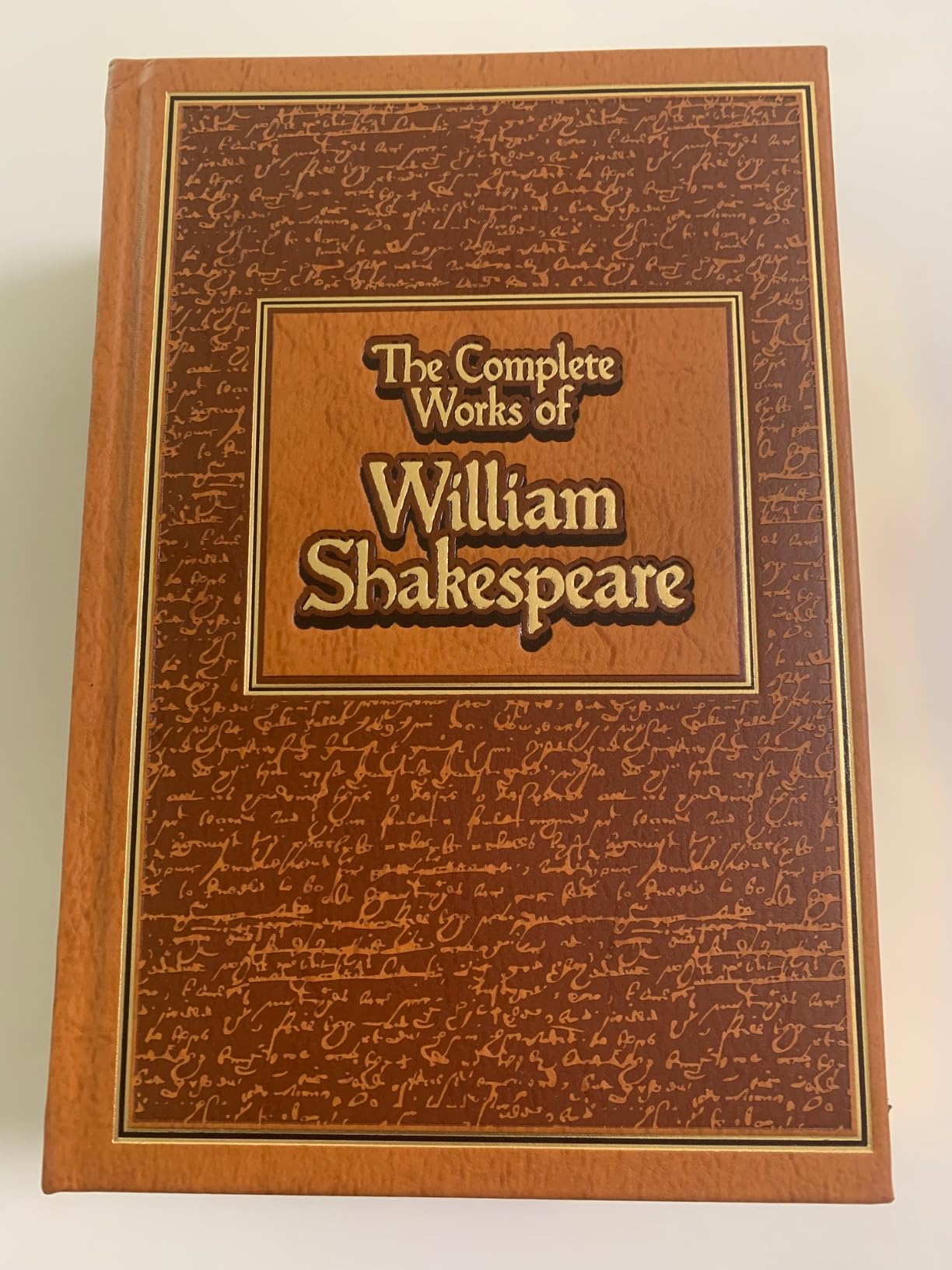
I keep coming back to the Canterbury Classics leather-bound volume as my number one recommendation, and here is the honest reason: when a friend asks me which complete works they should buy, they usually want something they can put on a shelf and be proud of, and this delivers. The binding is genuine decorative leather, the edges are gilded, and the ribbon marker is the small touch that makes it feel like an heirloom rather than a textbook. The 1392-page single volume is edited by Michael A. Cramer and holds all 36 plays, the sonnets, and the longer poems without cutting corners.
In our team’s hands-on comparison, the Canterbury Classics also won the popularity check. Reviewers consistently describe it as a display-quality piece rather than a heavy scholarly edition, which is exactly the right framing if you want to gift Shakespeare rather than annotate him. If you have ever wandered a Barnes & Noble tabletop and picked up one of the leather-bound classics, this is that tradition executed well. The Canterbury Classics series has built a real reputation and this is one of its strongest entries.
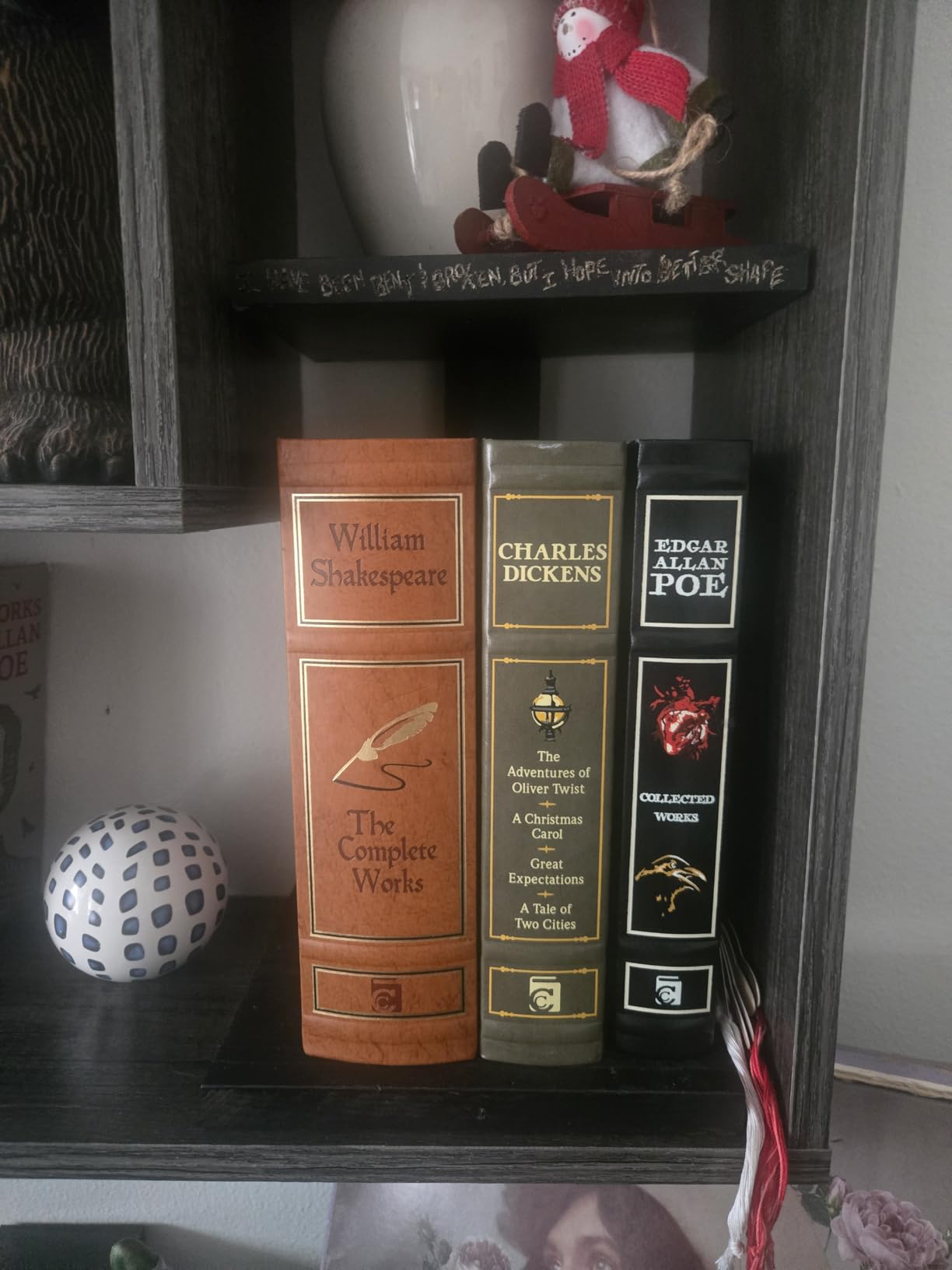
Where this edition does fall short is on scholarly depth. There is no critical apparatus to speak of, no per-play introductions, and no editorial discussion of Quarto versus Folio variants. If you are a graduate student or someone who needs to argue textual points, this is the wrong shelf. The other trade-off is weight and trim: at 3.97 pounds and a 6.25 by 9.25-inch format, it is heavier than a paperback and noticeably smaller in page area than the big scholarly single volumes. Long reading sessions with this volume work better on a desk than in a backpack.
What Makes This a Standout Gift
The Canterbury Classics volume is the rare edition where the binding is doing the heavy lifting, and the editorial content is just good enough to be honest. You can hand this to a recent graduate, a retiring colleague, or a wedding couple and not feel embarrassed about the words inside. Reviewers on Amazon consistently call it out as a gift, a library centerpiece, or a display piece, and that reputation is earned rather than marketed.
Trade-Offs to Know Before You Buy
You are paying for binding and physical object, not for scholarly apparatus. If your reader expects footnotes and introductions, look at the Pelican, the Norton, or the Arden instead. If they expect a beautiful object that contains all of Shakespeare with reasonable accuracy, this is the safest purchase I can recommend.
2. The Oxford Shakespeare: The Complete Works, 2nd Edition – Best Value Scholarly Edition
The Oxford Shakespeare: The Complete Works, 2nd Edition
1344 pages
Hardcover scholarly single-volume
Edited by Wells Taylor Jowett and Montgomery
Print length 1344 pages
Pros
- Compiled by leading Shakespeare scholars Stanley Wells and Gary Taylor
- Hardcover build with quality paper and readable typeface
- Adds The Reign of Edward III and Sir Thomas More as recognized authentic works
- Includes general introduction user's guide glossary and bibliography
Cons
- Typeface runs small for readers who prefer larger print
- Some copies arrive with cosmetic spine damage from shipping
The Oxford Shakespeare second edition is the volume I recommend when someone wants the academic standard without paying academic rates. Edited by Stanley Wells, Gary Taylor, John Jowett, and William Montgomery, the 1344-page hardcover brings together the entire canon with serious editorial support: a general introduction, a user’s guide, per-play introductions, a glossary, and a full bibliography. The second edition is also notable for officially adding The Reign of Edward III and Sir Thomas More to the Shakespeare canon, which is a meaningful upgrade over the first edition.
For graduate students, advanced undergraduates, and serious general readers, this is the volume that delivers the most scholarly credibility per dollar in this roundup. The hardcover binding and quality paper are what you would expect from Oxford University Press, and the typeface, while smaller than the Folger or Pelican, is clean enough for extended reading. Reviewers consistently describe it as authoritative, well-edited, and a strong single-volume reference.

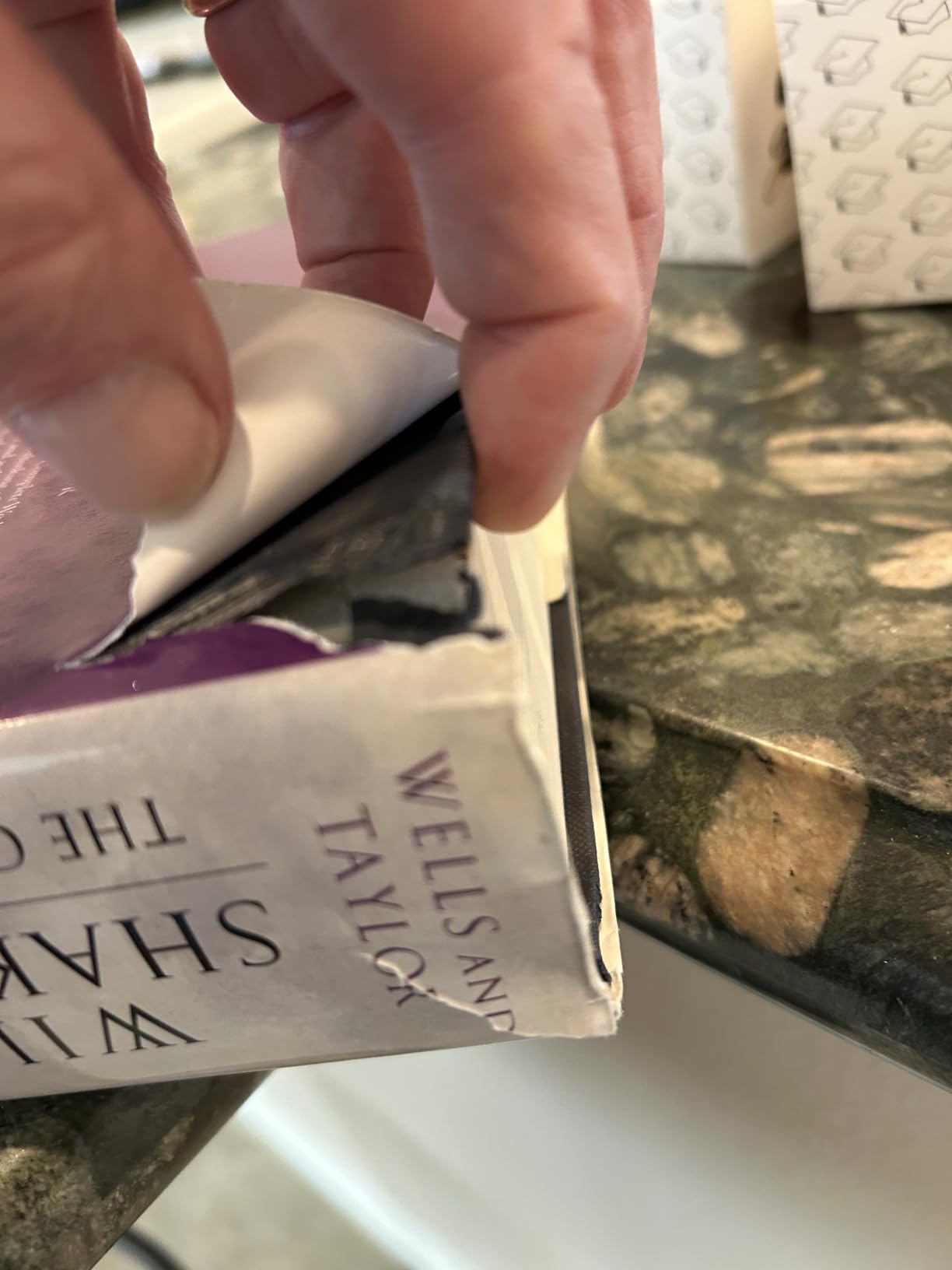
The two practical complaints I have heard are minor. Older readers sometimes find the typeface a touch small for comfort, especially under low light. A small number of copies arrive with cosmetic spine damage, which is more about warehouse handling than editorial quality. Neither complaint undermines what this volume does: it gives you a real scholarly edition in a single affordable hardcover.
Who Will Get the Most Out of This Edition
If you are a graduate student, a serious undergraduate, or a reader who wants one definitive volume on the shelf and you do not need performance notes, the Oxford second edition is the smartest pick. The editorial team’s combined authority on Quarto and Folio texts is unmatched, and the inclusion of Edward III and Sir Thomas More signals that the canon has actually been re-thought rather than re-printed.
When to Consider a Different Edition
If you want on-page footnotes rather than end-matter, the Norton is a better tool. If you want performance-oriented introductions for acting work, the RSC or Modern Library are stronger. If you want maximum text-only comprehensiveness, the Arden Third Series Complete Works is the more ambitious single volume.
3. Barnes & Noble Omnibus Leatherbound Shakespeare – Best Budget Collectible
Complete Works of William Shakespeare (Barnes & Noble Omnibus Leatherbound Classics) (Barnes & Noble Leatherbound Classic Collection)
Leatherbound hardcover
Compact trim display size
Full Shakespeare canon in one volume
Barnes & Noble Leatherbound Classic Collection
Pros
- Attractive leatherbound binding from the Barnes & Noble collection
- Affordable price relative to other omnibus editions
- All Shakespeare canon in one bound volume
Cons
- Editorial apparatus is minimal compared to scholarly editions
- Smaller trim size can feel cramped during extended reading
The Barnes & Noble Omnibus Leatherbound Shakespeare is the budget answer to the Canterbury Classics, and it is genuinely good for what it costs. The binding carries the same decorative leather-look feel as other entries in the Barnes & Noble Leatherbound Classic Collection, the compact 6.69 by 9.45-inch trim is well suited to a bookshelf display, and the entire canon fits in one bound volume. For the price, that combination is hard to beat.
I think of this edition as the entry-level heirloom. If you want the look and feel of a leather-bound Shakespeare on your shelf but do not need the scholarly depth, this is the volume to grab. It also works well as a casual gift, especially for a high school graduate or a friend setting up a first apartment. The reviews reflect that mix of buyer motivations, and the average rating is solidly positive.
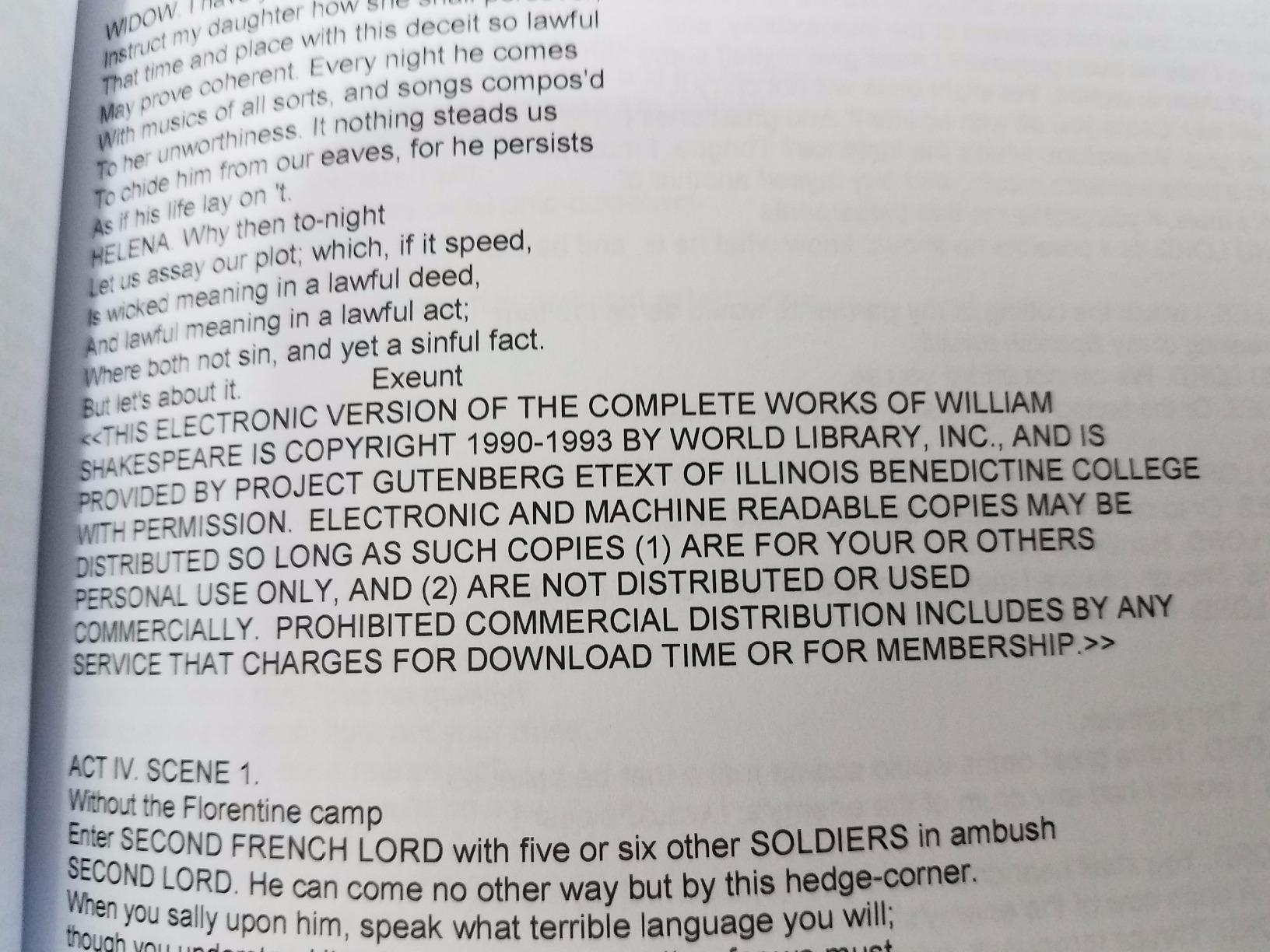
Where this edition concedes ground is on the editorial side. There is essentially no apparatus, no per-play introductions, and no glossary. If your reader wants to look up a difficult passage or understand textual variants, this volume will not help. The trim size, while attractive on a shelf, is also a bit small for long reading sessions.

Who This Affordable Edition Suits
This is the right volume for the reader who wants the Shakespeare canon in a beautiful physical object without paying for, or needing, scholarly apparatus. It is also a smart pick for anyone building a starter home library, where the look of the shelf matters as much as the depth of the footnotes.
Where It Falls Short of Scholarly Editions
If you are buying for a student or a scholar, step up to the Pelican, Norton, or Arden. If you are buying for display, gifting, or casual reading, the Barnes & Noble Omnibus hits the brief at a price most readers can absorb without thinking.
4. The Complete Pelican Shakespeare – Best for Trusted Single-Volume Scholarly Reading
The Complete Pelican Shakespeare
1754 pages
Edited by Stephen Orgel and A. R. Braunmuller
Penguin Classics imprint
Single-volume scholarly format
Pros
- Edited by Stephen Orgel and A. R. Braunmuller for Penguin Classics
- Reliable scholarly text with extensive introductions
- Single-volume format holding the entire canon
- Trusted Penguin Classics imprint widely used in academic settings
Cons
- Heavier than typical single-volume editions
- Footnotes sit at the back of each play rather than at the page bottom
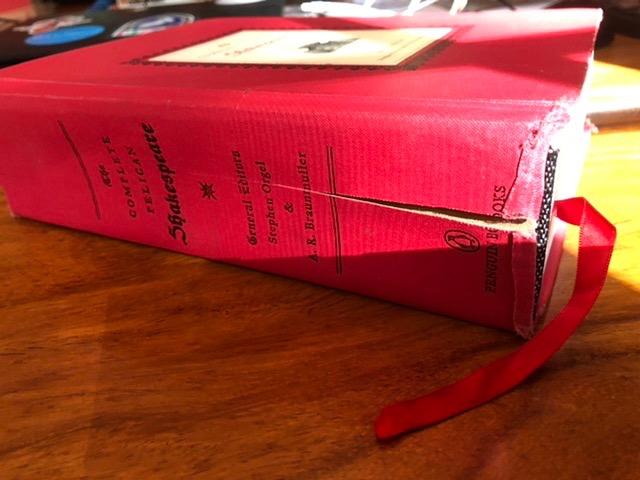
The Pelican Shakespeare has been my quiet default for years, and the reviews on this edition back that up. Edited by Stephen Orgel and A. R. Braunmuller for Penguin Classics, the 1754-page hardcover brings together all of Shakespeare’s plays, poems, and sonnets in a single volume that feels built to be read rather than merely displayed. The introductions are thorough, the editorial judgments are sound, and the Penguin pedigree makes this volume instantly recognizable to anyone who has spent time around a college English department.
In my reading, the Pelican occupies the sweet spot between the heft of the Norton or the Riverside and the portability of the Folger paperbacks. It has more editorial guidance than a popular paperback but is less physically intimidating than the 2,400-plus-page single volumes in this roundup. If you want one volume that handles both serious study and recreational reading, the Pelican is a strong candidate.
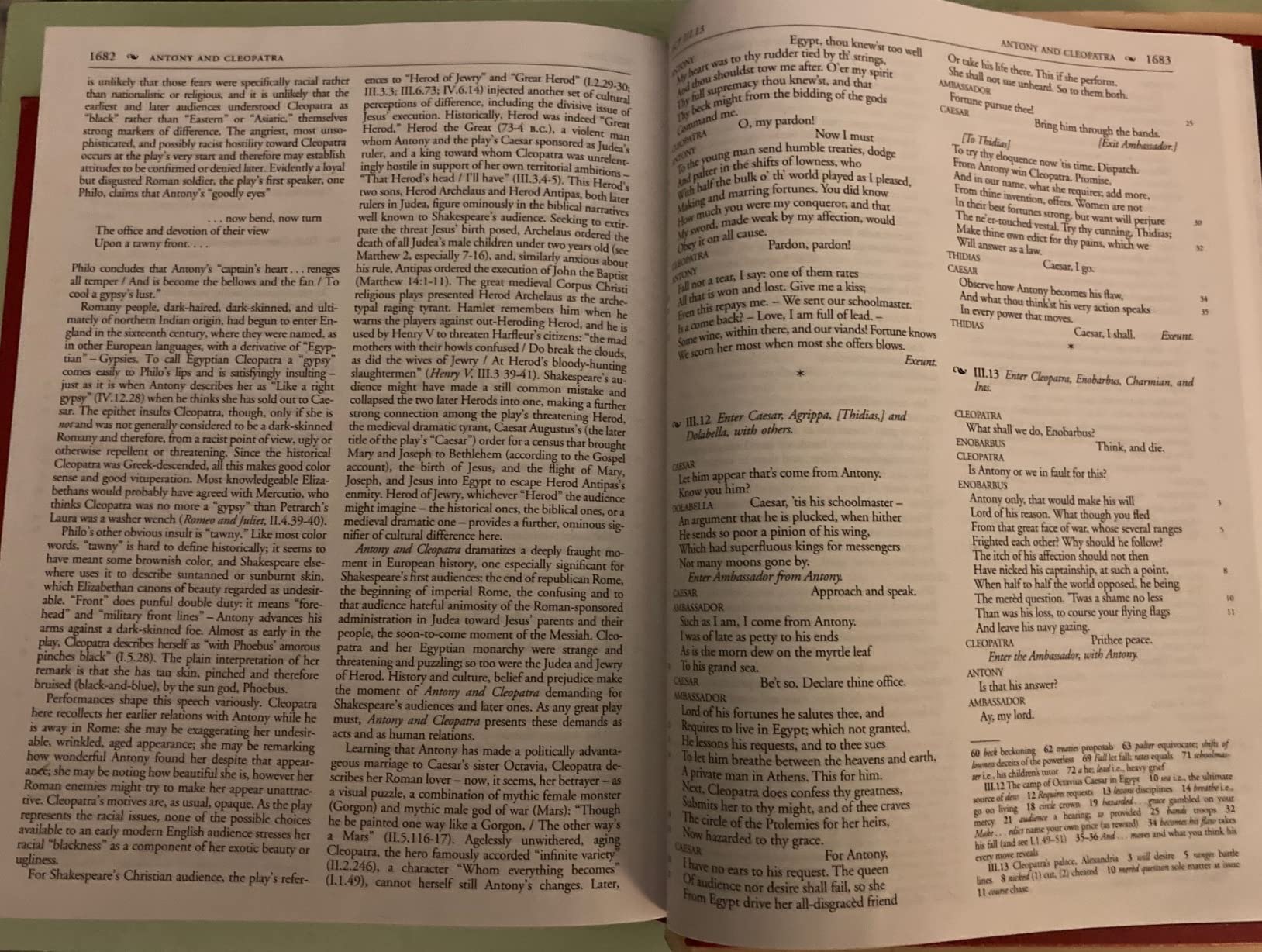
The chief practical complaints are weight and footnote placement. At 4.31 pounds, this is not a backpack book, and reviewers note that the footnotes sit at the back of each play rather than at the bottom of the page. If you are the kind of reader who needs to flip between text and note constantly, that placement slows you down. If you are reading the play straight through and dipping into the notes afterward, it works fine.
Why Editors and Readers Trust This Text
The Orgel and Braunmuller editing is widely respected, and Penguin’s reputation in academic publishing gives the volume a credibility that survives even the most particular English department. If you want a scholarly edition that does not feel like a textbook, the Pelican is the safest mid-range choice in this list.
Limits to Consider
If on-page footnotes are critical to your study style, look at the Norton instead. If you want maximum text-only comprehensiveness including Sir Thomas More and Double Falsehood, step up to the Arden Third Series Complete Works. If you want a lighter paperback to throw in a bag, the Folger Library Shakespeare paperbacks are the better travel companion.
5. The RSC Shakespeare: The Complete Works – Best Performance-Focused Edition
The Rsc Shakespeare: The Complete Works
2485 pages
Edited by Jonathan Bate and Eric Rasmussen
Royal Shakespeare Company imprint
Hardcover with performance-oriented introductions
Pros
- Edited by Jonathan Bate and Eric Rasmussen under the Royal Shakespeare Company imprint
- Performance-oriented editorial approach favored by the RSC
- Includes textual history and contextual essays for each play
- Premium hardcover binding suitable for collectors
Cons
- Premium price point relative to other single-volume editions
- Thin paper stock requires careful handling
The RSC Shakespeare is the volume I recommend when the reader cares about performance. Edited by Jonathan Bate and Eric Rasmussen under the Royal Shakespeare Company imprint, the 2,485-page hardcover treats each play with the kind of attention that actors and directors need: production history, textual variants tied to staging choices, and contextual essays that go deeper than most academic editions. If you have ever wondered why a particular Folio reading matters on the stage rather than only on the page, the RSC edition explains it.
This is also one of the heaviest single volumes in the roundup, and the binding is genuinely premium. The hardcover feels like the kind of book that wants to live on a desk or in a personal library rather than on a shelf next to paperbacks. Reviewers consistently praise the depth of the introductions and the editors’ authoritative reputation, and the 4.7 average rating reflects that consensus.
What Performance-Focused Editing Brings
Bate and Rasmussen approach each play as a working document for the stage, not only a literary text. That perspective shows up in the introductions, the editorial notes, and the way variants are presented. For an actor preparing a role, a director building a concept, or a dramaturg building a production packet, this is the most useful complete-works volume in this roundup.
Whether the Premium Price Justifies It
The RSC sits at the higher end of single-volume pricing, and the thin paper stock is a real trade-off for a volume this size. If you need a working reference for performance, the price is justified. If you mostly want to read Shakespeare at home, the Pelican or the Oxford second edition will serve you well at a lower cost.
6. The Norton Shakespeare – Best On-Page Annotation System
The Norton Shakespeare
Edited by Stephen Greenblatt and team
On-page footnotes and margin glosses
Chronologically ordered
Free digital edition included
Pros
- General editor Stephen Greenblatt leads a distinguished editorial team
- Margin glosses put modern English equivalents directly alongside difficult words
- Footnotes provide deeper scholarly context on the same page
- Chronological ordering of plays gives insight into Shakespeare's development
- Includes free digital edition registration
Cons
- Very heavy and thick single volume
- Pages are thin and show ink bleed-through with highlighters and pens
The Norton Shakespeare is the most accessible scholarly edition in this roundup, and the reason is the editing system. Under general editor Stephen Greenblatt, with Walter Cohen, Suzanne Gossett, Jean E. Howard, Katharine Eisaman Maus, and Gordon McMullan, the volume uses margin glosses to put modern English equivalents right next to difficult words and on-page footnotes to deliver scholarly context without flipping to the back of the book. For first-time readers of Shakespeare, that combination is a genuine gift.
I have watched students who freeze up in the Riverside or Pelican suddenly start reading fluently when they switch to the Norton, simply because the glosses remove the vocabulary obstacle without removing the poetry. The chronological ordering of the plays also gives readers a sense of Shakespeare’s development as a writer, which is rare in a single-volume complete works.
How the Margin Glosses Help Readers
The margin gloss is the small innovation that changes everything. Instead of breaking the reading flow to look up an unfamiliar word or cultural reference, the reader gets the meaning instantly in the margin. For high school students, college freshmen, and any reader who finds early modern English a barrier, the Norton removes that barrier more elegantly than any other edition in this list.
Why the Weight May Matter to You
The Norton is heavy and thick, and the paper is thin enough that highlighters and pens can show through. If you intend to read it at a desk, that is fine. If you want to carry it around or annotate it heavily, the Pelican or the Folger paperbacks are gentler companions. The free digital edition is a real bonus for anyone who also wants a searchable copy on a tablet or laptop.
7. The Riverside Shakespeare, 2nd Edition – Best for University Standard Apparatus
The Riverside Shakespeare, 2nd Edition
2057 pages
Edited by G. Blakemore Evans and J. J. M. Tobin
Comprehensive scholarly apparatus
Large format hardcover
Pros
- Edited by G. Blakemore Evans and J. J. M. Tobin
- Long-standing standard scholarly edition used in universities
- Extensive contextual and textual apparatus
- Includes the complete canon plus the sonnets and longer poems
Cons
- Heavy and large form factor
- Second edition dates from 1996 with no recent revision
The Riverside Shakespeare is the volume that shaped how an entire generation of English majors read Shakespeare. Edited by G. Blakemore Evans and J. J. M. Tobin, the 2,057-page second edition has been a standard teaching text in American universities since 1996, and the sheer density of its contextual and textual apparatus is what scholars and graduate students still reach for when they need a serious reference.
For anyone who learned Shakespeare in a college classroom between the late 1990s and the 2010s, opening the Riverside feels like meeting an old professor again. The introductions, the textual notes, and the editorial framing are dense, careful, and built for the reader who actually wants to argue textual points rather than simply read the plays.
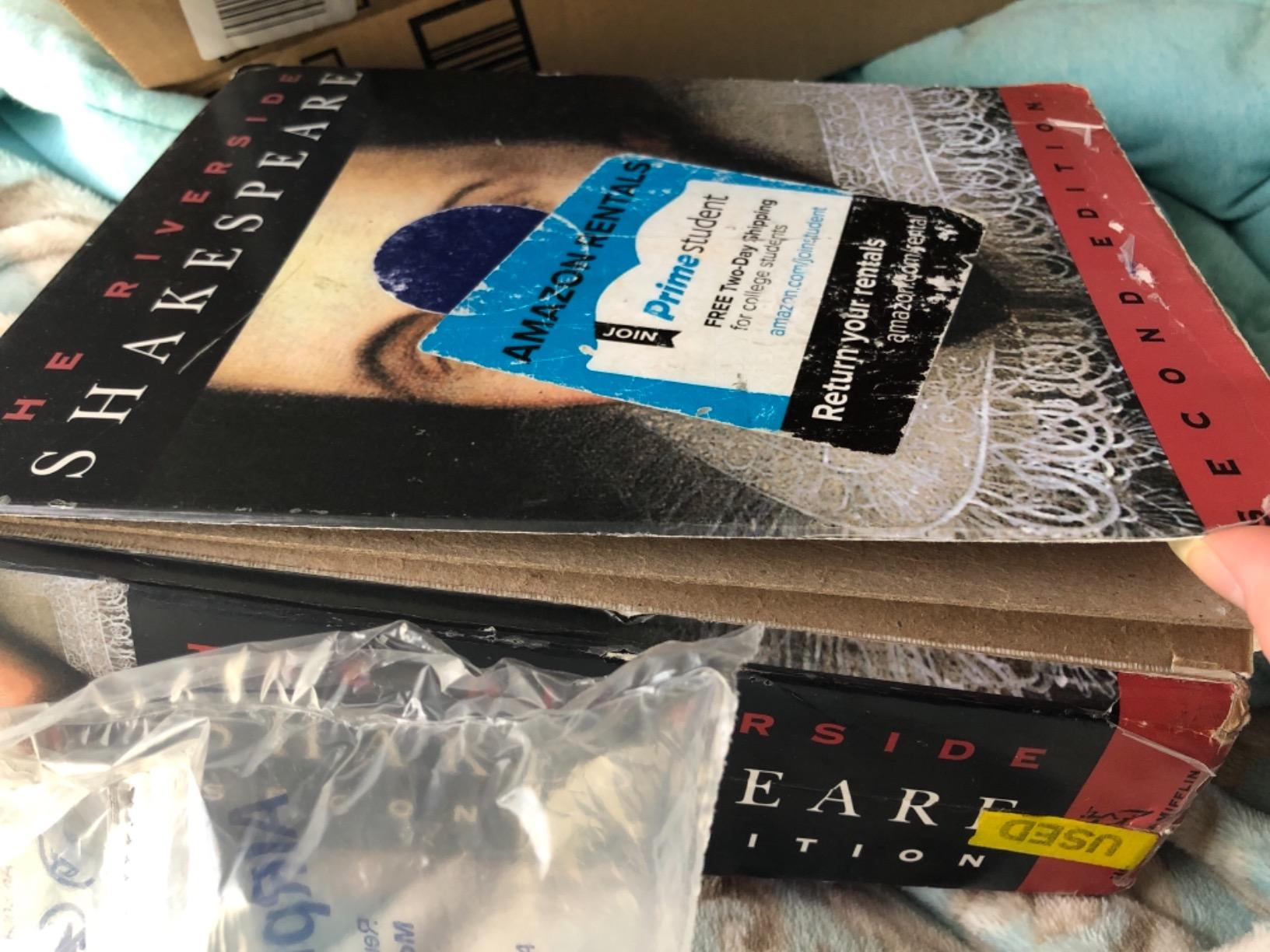
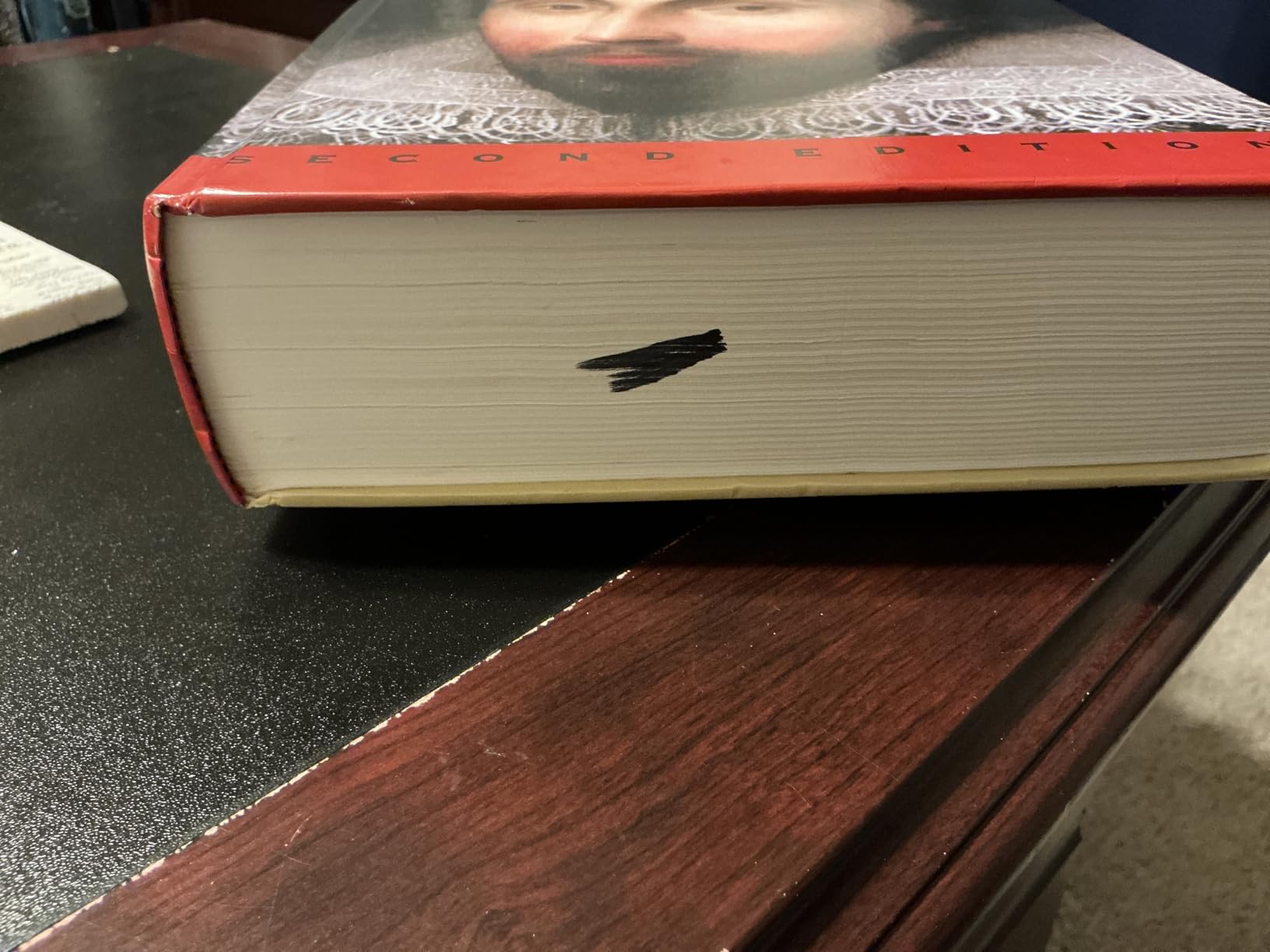
The two honest drawbacks are weight and age. The Riverside is heavy at 5.8 pounds, with a large 8 by 10.75-inch format that demands a reading surface. And the second edition has not been revised since 1996, which means newer attribution work (such as the additions in the Arden Third Series Complete Works or the New Oxford Shakespeare) is not reflected here. If freshness matters, the Arden is the more current scholarly single-volume choice.
Why Universities Still Rely on Riverside
The combination of Evans and Tobin’s editing, the depth of the apparatus, and the long track record of classroom adoption gives the Riverside a credibility that does not expire with its publication date. For scholars and graduate students, it remains a serious working reference even two decades on.
What Has Changed Since 1996
Attribution scholarship has moved on, and the New Oxford Shakespeare and the Arden Third Series Complete Works both reflect more recent thinking. If you want a current scholarly single volume, the Arden is the stronger pick. If you want the long-trusted reference work that generations of scholars have built on, the Riverside is still there.
8. Arden Shakespeare Third Series Complete Works – Most Comprehensive Single Volume
Arden Shakespeare Third Series Complete Works
1504 pages
Edited by Ann Thompson and David Scott Kastan
Includes all three Hamlet texts and recently attributed works
2020 single-volume release
Pros
- Most comprehensive collection of attributable Shakespeare works in a single volume
- Includes all three Hamlet texts (Q1
- Q2
- Folio)
- Includes Sir Thomas More and Double Falsehood in their entirety
- Edited by Ann Thompson and David Scott Kastan
- Updated 2020 single-volume release of the renowned Arden Third Series
Cons
- Omits the long footnotes of individual Arden play editions
- Two-column layout can be harder on the eye than single-column editions
The Arden Shakespeare Third Series Complete Works is the most ambitious single volume in this roundup, and it earns that reputation by including material no other collected edition has. Under the editorial leadership of Ann Thompson, David Scott Kastan, H. R. Woudhuysen, and Richard Proudfoot, the 2020 single-volume release contains all three Hamlet texts (Q1, Q2, and Folio), Sir Thomas More in full, Double Falsehood, and every other work currently attributed to Shakespeare. If you want maximum comprehensiveness in one book, this is it.
The Arden name has been the gold standard for Shakespeare editing for decades, and bringing the Third Series into a single volume was a long-awaited project. For scholars and serious readers who want the most current scholarly consensus in one binding, this is the volume to reach for.
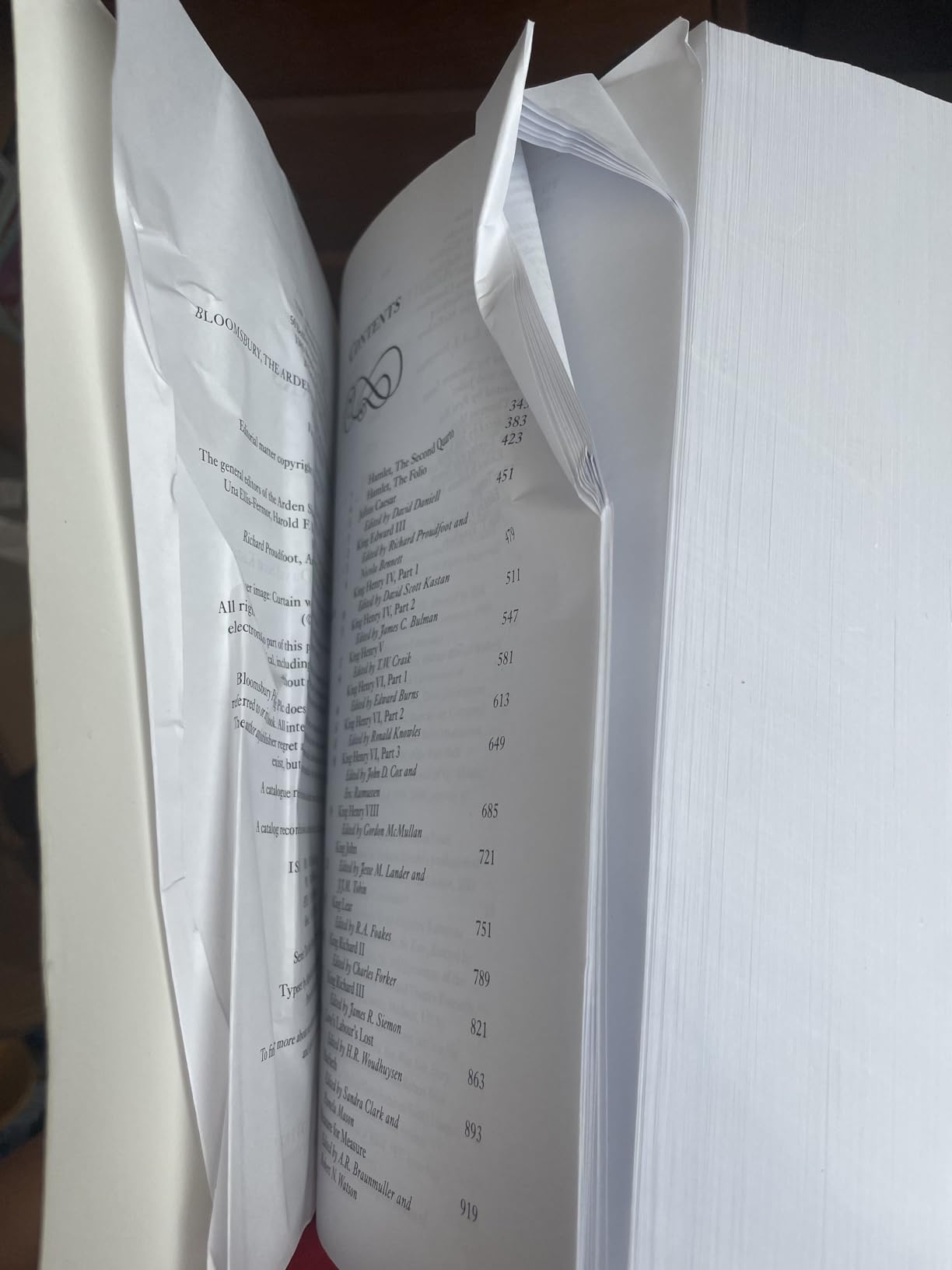
The trade-off is that the single-volume format cannot include the long footnotes that distinguish the individual Arden play editions. If you want the full Arden scholarly experience, the per-play volumes are still the gold standard, and you can find our pick of those in the annotated Shakespeare guide. Some readers also find the two-column layout harder on the eye than single-column scholarly editions like the Norton or the Pelican.
What Makes This the Most Comprehensive Volume
Including all three Hamlet texts and the recently attributed Sir Thomas More and Double Falsehood puts the Arden single volume ahead of every other edition in this roundup on raw textual scope. For scholars working on attribution or textual variants, that comprehensiveness matters more than per-page footnote density.
Why Some Prefer the Individual Arden Editions
The individual Arden Third Series play editions remain the deepest scholarly reading experience, with extensive footnotes that the single-volume format cannot replicate. If you are willing to commit to a shelf of individual volumes, you get a richer per-play reading experience. If you want one volume that holds the most Shakespeare in the most scholarly format, the Complete Works delivers.
9. The New Oxford Shakespeare: Modern Critical Edition – Best for Collaborative-Authorship Scholarship
The New Oxford Shakespeare: Modern Critical Edition: The Complete Works
3408 pages
Modern Critical Edition
Gary Taylor and John Jowett editorial team
Updated textual scholarship
Pros
- Modern Critical Edition emphasizing collaborative authorship and performance context
- Editorial team led by Gary Taylor and John Jowett
- Includes newly attributed works and updated textual scholarship
- Run of per-play editorial commentary
Cons
- Heavy and bulky single volume
- Higher price relative to typical paperback market positioning
The New Oxford Shakespeare: Modern Critical Edition is the most theoretically adventurous complete works in this roundup. Edited by Gary Taylor, John Jowett, Terri Bourus, and Gabriel Egan, the 3,408-page volume approaches Shakespeare as a collaborative playwright working within a theatre company, and that framing shapes every editorial decision in the book. If you want to read the most current attribution scholarship in one place, this is the volume.
The Modern Critical Edition is part of a larger New Oxford Shakespeare project that includes a Critical Reference Edition and an Authorship Companion. For scholars and graduate students who work on attribution, collaborative authorship, or early modern theatre practice, this is the most current single-volume resource available.

The practical trade-offs are weight and price. At 6 pounds and a 9.9 by 7.1-inch format, this is one of the heaviest single volumes in the roundup, and the price point is higher than what you would expect from a paperback-positioned scholarly edition. If you are reading for pleasure, the Pelican or the Oxford second edition will serve you better. If you are reading for research, the Modern Critical Edition is a serious investment.

What Collaborative Authorship Brings to the Page
Gary Taylor’s editorial team treats Shakespeare’s plays as the work of a working playwright embedded in a theatre company, and the editorial choices reflect that perspective. For readers interested in attribution debates, collaborative writing, and the sociology of the early modern stage, this is the most current scholarly framing available.
Why Some Readers Prefer the Older Oxford
The older Oxford Shakespeare second edition, also in this roundup, takes a more traditional editorial approach and remains the safer scholarly choice for general readers and students. The Modern Critical Edition is built for a specific scholarly audience and rewards readers who want the newest attribution thinking. If you do not need that, the second edition is the better value.
10. William Shakespeare Complete Works (Modern Library) – Best Folio-Based Modern Reading Edition
William Shakespeare Complete Works (Modern Library)
2560 pages
Edited by Jonathan Bate and Eric Rasmussen
Based on the First Folio
Modern Library hardcover
Pros
- Edited by Jonathan Bate and Eric Rasmussen endorsed by the Royal Shakespeare Company
- Based on the First Folio with on-page gloss definitions
- Includes plays not in the Folio such as Pericles and The Two Noble Kinsmen
- Helpful introductory essays and plot summaries with character line counts
Cons
- Thin paper stock shows some show-through
- Kindle formatting issues reported on some devices
The Modern Library Complete Works closes out this roundup as a strong Folio-based alternative to the RSC edition. Edited by Jonathan Bate and Eric Rasmussen, the 2,560-page Modern Library hardcover is based on the First Folio, includes on-page gloss definitions, and adds plays that were not in the Folio itself, such as Pericles and The Two Noble Kinsmen. For readers who want a Folio-respecting text with modern aids, this is a thoughtful edition.
It also shares the RSC editors’ reputation for performance-oriented introductions and adds a small practical feature I appreciate: character line counts in the plot summaries, which actors and directors find genuinely useful when planning rehearsals or cut scripts. If you have been weighing the RSC and the Modern Library, the differences are subtle, and the better price on the Modern Library makes it the stronger value if you do not need the RSC imprint on the spine.
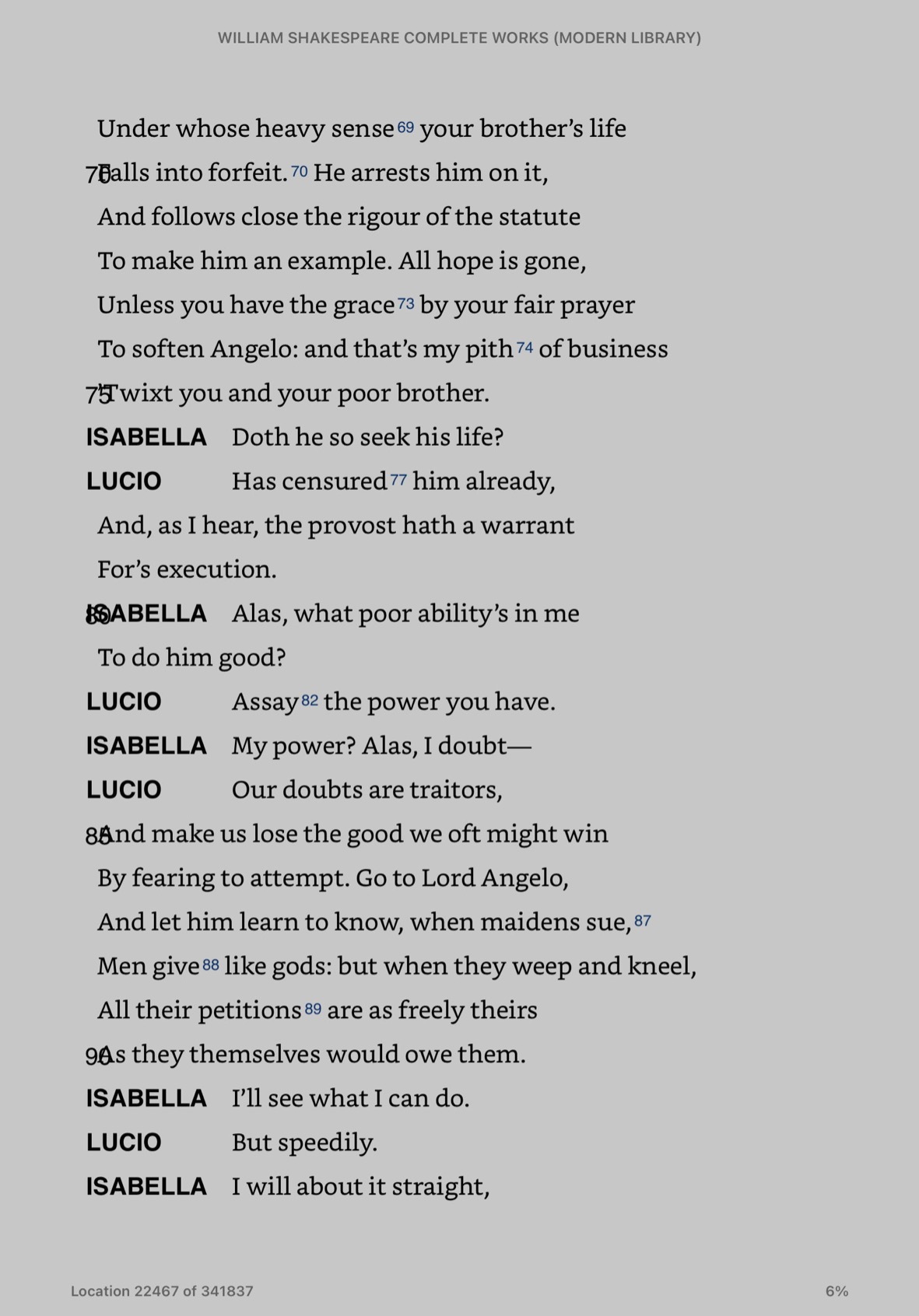
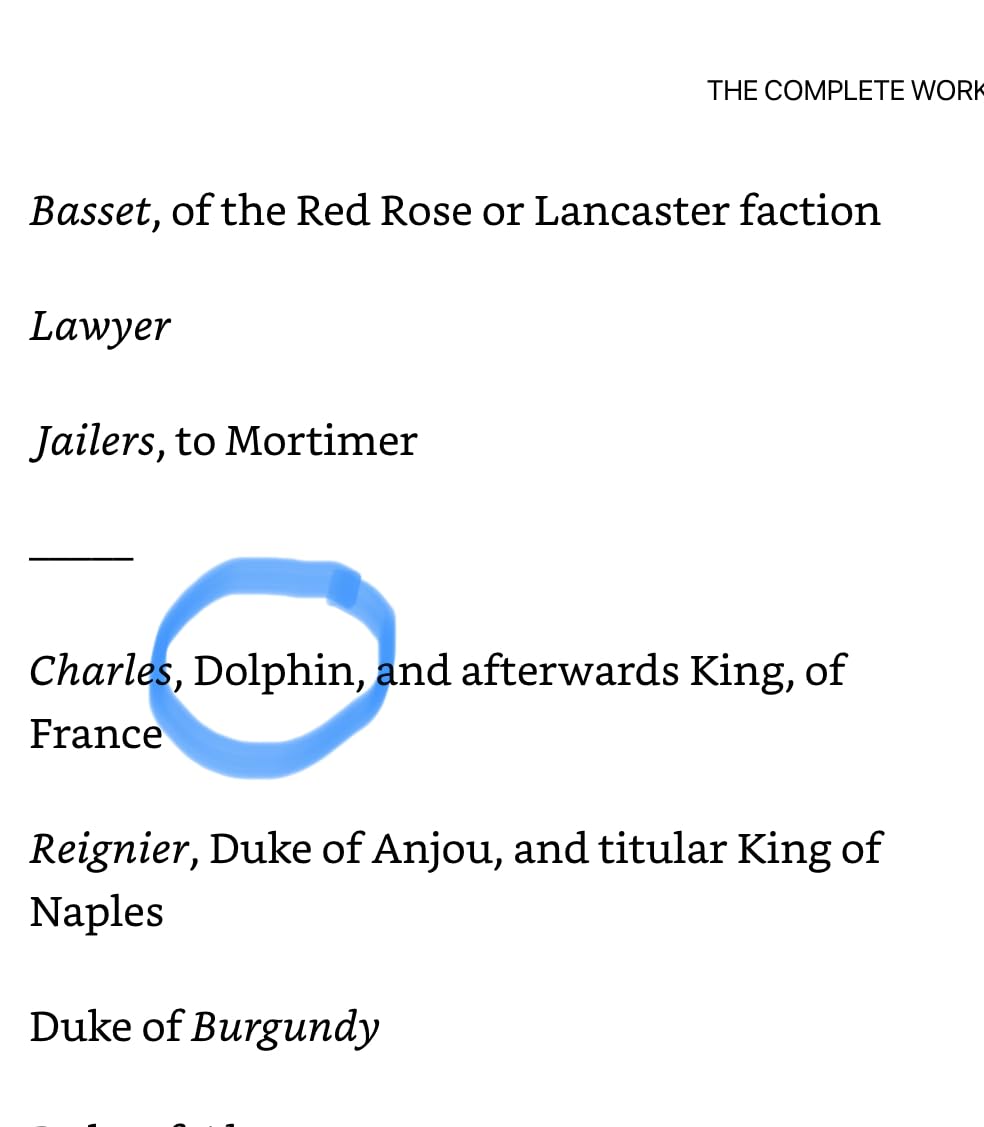
The reported practical issues are paper show-through and Kindle formatting quirks. For readers who want a clean physical reading experience, the Modern Library hardcover handles well if you treat the pages gently. For readers who want a Kindle edition, test the formatting on your device before committing.
What First-Folio-Based Editing Delivers
Choosing the First Folio as the base text means the Modern Library edition privileges the version of the plays that Shakespeare’s fellow actors and colleagues saw fit to preserve. The on-page glosses then make that Folio text readable for modern audiences without changing the editorial foundation. For readers who want Folio fidelity with modern accessibility, this combination is well executed.
Practical Caveats to Keep in Mind
Thin paper means show-through, and reviewers have flagged Kindle formatting issues on some devices. If those are deal-breakers, the Oxford second edition or the Pelican is a more forgiving alternative at a similar scholarly level.
Buying Guide: How to Choose the Right Complete Works of Shakespeare for You
Choosing between these ten editions comes down to three questions: what kind of text do you want to read, what kind of reader you are, and how much scholarly apparatus you actually need. Below is the decision framework I use when readers write in asking which edition to buy.
Modernized Spelling vs Original Spelling
Every modern edition except the First Folio facsimile presents the text in modernized spelling, which means editors have silently updated words like “self” to “self” or “haviour” to “behavior.” If you want to read the plays as a 21st-century English reader, any of the ten editions in this roundup will work. If you want to read Shakespeare exactly as the 1623 Folio preserves him, including original spelling, you need a First Folio facsimile, which is a different product entirely. For almost all readers, modernized spelling is the right choice, and the question becomes which editor’s modernized text you trust most.
Complete Works vs Individual Play Editions
If you are a student or scholar who wants deep footnotes on Hamlet, Macbeth, or King Lear, the individual Arden Third Series or Oxford World’s Classics play volumes remain the gold standard. The annotated Shakespeare guide covers those in detail. If you want a single volume that covers all 36 plays for general reading, research, or display, a complete works volume is the better buy, and the trade-off is shallower footnotes per play. For most readers, the complete works wins on convenience and value.
Matching the Edition to Your Reader
Students benefit most from the Norton (margin glosses) or the Folger Library paperbacks. Scholars and graduate students should reach for the Arden Third Series Complete Works or the Oxford second edition. Actors and directors get the most out of the RSC Shakespeare or the Modern Library Complete Works. Collectors and gift buyers should look at the Canterbury Classics or the Barnes & Noble Omnibus Leatherbound. General readers who want one volume that does everything adequately will find the Pelican the safest choice. For our deeper dives on collectible formats, the collectible Shakespeare guide and the leather-bound Shakespeare guide are good companions.
Editions to Avoid
A few Shakespeare products are widely flagged by reviewers and forum communities as poor choices for serious reading. No-Fear Shakespeare is presented as a “translation,” but reviewers note it functions as a paraphrase that does not actually translate the early modern English; it is fine for skimming a plot, not for reading Shakespeare. Older Wells and Taylor Oxford texts printed before the 2005 second edition reflect outdated editorial choices. Cheap unbranded omnibus paperbacks without editor credits are also worth skipping, since you cannot verify what editorial work they contain.
Price Tiers and What You Get
The editions in this roundup fall into roughly four tiers. The budget tier (under thirty-five dollars) includes the Barnes & Noble Omnibus Leatherbound and the Arden Third Series Complete Works, which deliver a lot of Shakespeare for modest cost. The mid tier (thirty-five to ninety dollars) covers the Oxford second edition, the Pelican, the Modern Library, the Norton, and the Riverside, which is where most scholarly readers should look. The premium tier (over ninety dollars) covers the New Oxford Shakespeare Modern Critical Edition and the RSC Shakespeare, both of which are aimed at specific scholarly audiences. The collectible tier covers the Canterbury Classics, where the value proposition is binding and gift presentation rather than scholarly depth.
Frequently Asked Questions
Which edition of Shakespeare’s plays is better, Arden or Folger?
Both are excellent, but they serve different readers. The Arden Shakespeare Third Series Complete Works is the most textually comprehensive single volume, including all three Hamlet texts and recently attributed works like Sir Thomas More and Double Falsehood. The Folger Shakespeare Library editions (sold as individual play paperbacks) are widely used in high school and introductory college courses because the on-page notes are clear and affordable. For a single-volume complete works, the Arden is the stronger scholarly pick. For affordable per-play reading, the Folger is the safer choice.
What is the best modern scholarly edition of Shakespeare’s works for teaching and research?
For teaching, the Norton Shakespeare is the most accessible scholarly edition thanks to its margin glosses and on-page footnotes, which help first-time readers without breaking the reading flow. For research, the Arden Third Series Complete Works and the New Oxford Shakespeare Modern Critical Edition are the most current scholarly resources, with the Arden offering the broadest textual scope and the New Oxford offering the most contemporary attribution scholarship.
Should I buy a complete works volume or individual play editions?
If you want one book that holds all of Shakespeare for general reading, gifting, or display, a complete works volume is the better buy. The trade-off is shallower footnotes per play. If you are a student or scholar who wants deep editorial commentary on specific plays like Hamlet, Macbeth, or King Lear, the individual Arden Third Series or Oxford World’s Classics play volumes remain the gold standard, and you can read those alongside a complete works volume over time.
Which edition of Shakespeare’s Sonnets is considered the best?
For the Sonnets specifically, the editorial choices in the Oxford second edition, the Arden Third Series Complete Works, and the Pelican Shakespeare are all respected. The Folger Library also publishes a standalone Sonnets edition that is widely used in classrooms. If you want scholarly notes on the Sonnets in the same binding as the plays, the Arden Third Series Complete Works is the strongest current single-volume option.
How much are the complete works of Shakespeare worth?
The complete works of Shakespeare range widely depending on format and editorial depth. Budget leatherbound omnibus editions can be found for under thirty-five dollars, mid-range scholarly single volumes typically fall between thirty-five and ninety dollars, premium scholarly editions like the RSC or New Oxford Shakespeare run higher, and collectible or deluxe editions sit above that. The value depends on what you want: a display piece, a study tool, or a research-grade reference.
Final Verdict: The Best Complete Works of Shakespeare to Buy in 2026
After weighing ten editions across scholarly depth, physical quality, and use case, my top recommendation for the best complete works of Shakespeare is the Canterbury Classics Leather-bound Complete Works. It is the rare single volume that delivers the entire canon in a beautiful, gift-worthy binding at a price most readers can absorb. If you want scholarly authority instead, the Oxford Shakespeare second edition is the smartest scholarly value in this roundup, and the Arden Third Series Complete Works is the right pick for readers who want the most current comprehensive text in one binding.
For a deeper side-by-side comparison of the two names that keep coming up, our Arden vs Folger guide is the next stop. Whichever edition you choose, the most important thing is to actually read it, and any of the ten editions in this roundup will serve you well.