
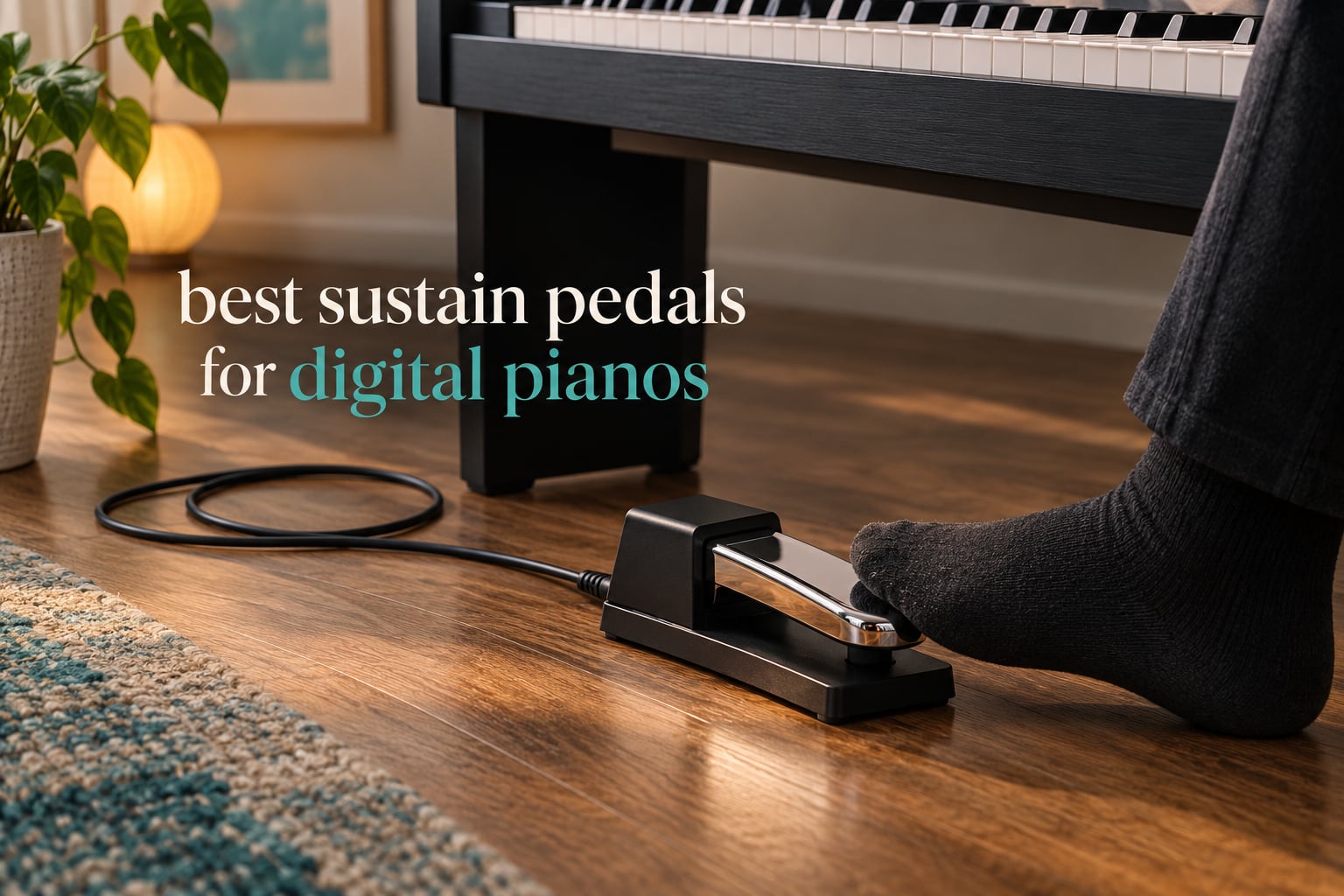
A sustain pedal is the one accessory that turns a digital piano from a keyboard into an instrument. Without it, chords die the instant your fingers leave the keys and legato passages turn into a series of disconnected stabs. With it, the sound behaves the way an acoustic behaves, which is why choosing well among the best sustain pedals for digital pianos matters even when the pedal itself costs very little.
I have spent years setting students up with pedals and testing them on everything from 61-key home stages to weighted slab-bodied digital pianos in practice rooms. The awkward truth is that most digital pianos ship with a thin plastic strip that technically works and practically ruins your technique. Replacing it with a proper weighted pedal takes about five minutes and changes how the instrument feels under your foot.
This guide covers ten of the strongest sustain pedals available right now, from universal models with polarity switches to factory piano-style units and a compact footswitch for travelling players. I explain what the polarity switch actually does, where half-damper support matters, how to stop a pedal sliding across a carpet, and which pedal fits which player. If you are still choosing the instrument itself, start with our digital piano buying guide first, then come back here for the pedal that finishes the setup.
Table of Contents
Top 3 Picks for Sustain Pedals in 2026
Three models cover almost everyone. The M-AUDIO SP-2 is the default choice for good reason, the Donner DSP-001 is the value pick, and the Yamaha FC5 wins when your setup has to travel.

M-AUDIO SP-2 Universal Sustain Pedal
- Polarity switch for universal compatibility
- Rubber floor pads stop sliding
- Heavy duty mechanism
- 6 foot cable

Donner DSP-001 Sustain Pedal
- Polarity switch
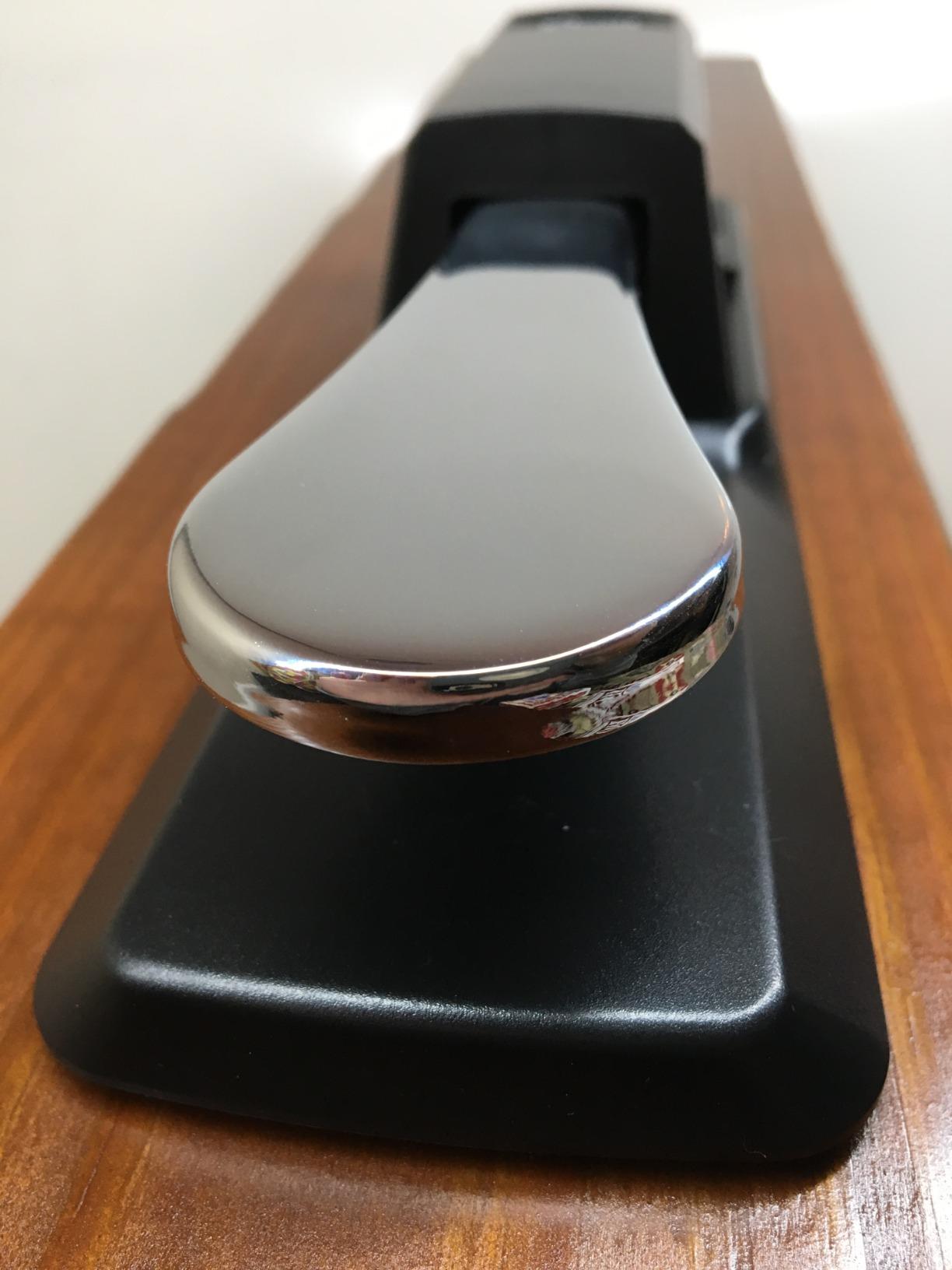
- Chrome plated pedal
- Anti-slip rubber base
- 63 inch cable
- 2 year warranty

Yamaha FC5 Compact Foot Switch
- Compact and light
- Momentary footswitch action
- Rubberized grip surfaces
- 5 foot cable
Every Pedal in This Roundup Compared Side by Side
All ten pedals take a 1/4 inch jack except where noted, and every one of them sends a simple on/off sustain signal. The differences that actually change your playing are pedal weight, whether the unit has a polarity switch, how the base grips the floor, and how long the cable is.
| Product | Specifications | Action |
|---|---|---|
| M-AUDIO SP-2 Universal Sustain Pedal |
|
Check Latest Price |
| Donner DSP-001 Sustain Pedal |
|
Check Latest Price |
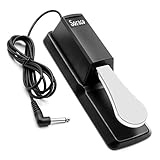 Soraco Universal Piano Style Pedal Soraco Universal Piano Style Pedal |
|
Check Latest Price |
| Yamaha FC5 Compact Foot Switch |
|
Check Latest Price |
 Imelod Universal Sustain Pedal Imelod Universal Sustain Pedal |
|
Check Latest Price |
 FZONE Compact Metal Sustain Pedal FZONE Compact Metal Sustain Pedal |
|
Check Latest Price |
 Casio SP-20 Piano Style Sustain Pedal Casio SP-20 Piano Style Sustain Pedal |
|
Check Latest Price |
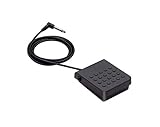 Casio SP3 Sustain Pedal Casio SP3 Sustain Pedal |
|
Check Latest Price |
 AODSK Universal Sustain Pedal AODSK Universal Sustain Pedal |
|
Check Latest Price |
 On-Stage KSP100 Universal Sustain Pedal On-Stage KSP100 Universal Sustain Pedal |
|
Check Latest Price |
1. M-AUDIO SP-2 Universal Sustain Pedal — Best Overall Pedal
M-AUDIO SP-2 Universal Sustain Pedal
Weight: 14.1 oz
Cable: 6 foot fixed
Connector: 1/4 inch jack
Polarity switch
Pros
- Universal polarity switch for brand compatibility
- Heavy duty mechanism built for daily use
- Rubber underside pads grip the floor
- Compact and light at 14.1 ounces
Cons
- Bulky 10.5 inch body takes up floor space
- Fixed 6 foot cable with no detachable jack
The SP-2 is the pedal I hand to students who want one solution and never want to think about compatibility again. It has been on the market for two decades, and with close to 30,000 ratings it is the most proven sustain pedal in this roundup by a wide margin. That matters more than any spec line, because pedal failure is always badly timed.
The action itself is the selling point. This is a full-length foot lever rather than a small footswitch, and the spring-loaded travel gives you the resistance curve you would expect from an upright. Underneath sit rubber pads designed to grip the floor, which solves the most common complaint I hear about budget pedals sliding away mid-phrase.
The polarity switch sits in a convenient spot on the body rather than hidden underneath, so you can flip it while the pedal is in position instead of crawling around behind the stand. Most keyboards and digital pianos in home use will work without touching it, but the switch is the reason this pedal keeps working when you change instruments.
Physical size is the one thing to plan around. At 10.5 inches long and 2.5 inches tall, it needs real floor space in front of a bench, and if your piano sits tight against a wall you will feel the difference against something like the Yamaha FC5 further down this list.
Who the SP-2 works best for
It suits almost anyone, which is why it takes the top spot. Students, teachers, gigging players and people who own more than one keyboard all get the same benefit: one pedal that fits whatever they plug it into.
If your main worry is the pedal drifting across the floor during a loud passage, the rubber pads here are the best-established answer in the group, and reviewers consistently mention that the pedal stays planted while they play.
Where the SP-2 falls short
The fixed cable is the main limitation. If your digital piano sits at the far end of a long room or behind a stack, six feet can feel short, and unlike a detachable jack you cannot swap in a longer lead.
For players who want half-damper control on a weighted instrument, the SP-2 sends a simple on or off signal. That is enough for nearly all repertoire, but it will not give you the graded sustain some advanced players rely on.
2. Donner DSP-001 Sustain Pedal — Best Value Pick
Donner DSP-001 Sustain Pedal for Keyboard, Universal Piano Pedal with Polarity Switch for Digital Piano/Piano Keyboard/MIDI KeyboardSynthesizer, 1/4” (6.35mm) Input Plug, 63” (1.6m) Cable
Weight: 350 g
Cable: 63 inch
Connector: 6.35mm jack
Warranty: 2 years
Pros
- Polarity switch covers most keyboards and digital pianos
- Chrome plated pedal resists deformation
- Anti-slip rubber bottom
- 63 inch cable for flexible placement
- 2 year manufacturer warranty
Cons
- 3.5mm pedal inputs need an adapter that is not included
- Lighter feel than metal bodied rivals
The DSP-001 is the pedal I recommend when someone asks for a metal pedal with a brand name feel but without the brand name markup. Over 6,000 ratings averaging 4.5 stars tells you the quality control is consistent, which is not something you can say about every inexpensive pedal.
Unlike many competitors in this price bracket, it comes with a two year manufacturer warranty. That single detail changes how I think about it, because pedal switches are the component that wears out and a longer warranty is a reasonable proxy for how confident a maker is in that switch.
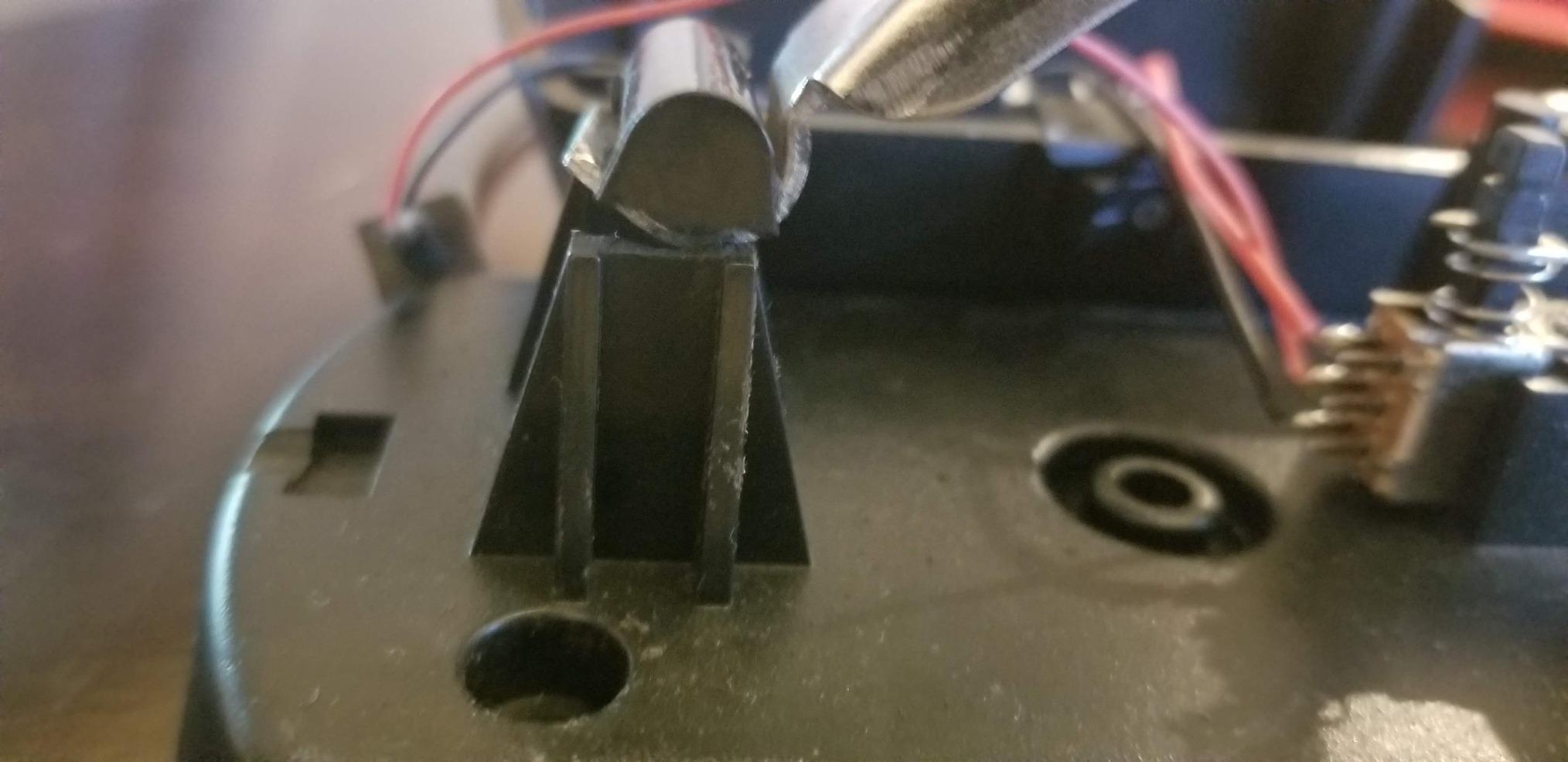
The chrome plated pedal resists deformation and feels solid underfoot, and the slip resistant rubber bottom does a good job on both carpet and hard flooring. The 63 inch cable is longer than the 6 foot lead on the SP-2, which matters when your keyboard stand pushes the instrument back from your seated position.
One practical note: keyboards with a 3.5mm pedal input need a separate adapter, and one is not included in the box. Check the size of the jack on your instrument before you order so you are not waiting on a second delivery.
Who the DSP-001 works best for
It is built for the player who wants a weighted, metal-bodied pedal and a long warranty at a modest outlay. Home practice rooms and teaching studios see a lot of feet going through this pedal, and the warranty gives a teaching business some protection.
If cable length is one of your top three concerns, the 63 inch lead here ranks among the longest in this group and pairs well with stands that push the piano away from the bench.
Where the DSP-001 falls short
The feel is lighter than heavy all metal or weighted piano style models. Players chasing an acoustic grand pedal sensation will notice the difference, though for legato phrasing and chord work it makes no practical difference at all.
There is no 3.5mm adapter in the box, and the pedal has no half damper capability. It also sends a fixed on or off signal, which is fine for standard repertoire but not a match for the subtle graded sustain some classical players want.
3. Soraco Universal Piano Style Pedal — Best Weighted Metal Pedal
Soraco Sustain Pedal Universal for Yamaha Casio Roland Korg Behringer Moog Piano Midi Electronic keyboards Style with Polarity Switch, 1/4” Input Plug
Weight: 0.43 kg
Cable: 65 inch
Connector: 1/4 inch plug
Model: YH01
Pros
- Weighted stainless steel pedal feels natural underfoot
- Polarity switch works across major brands
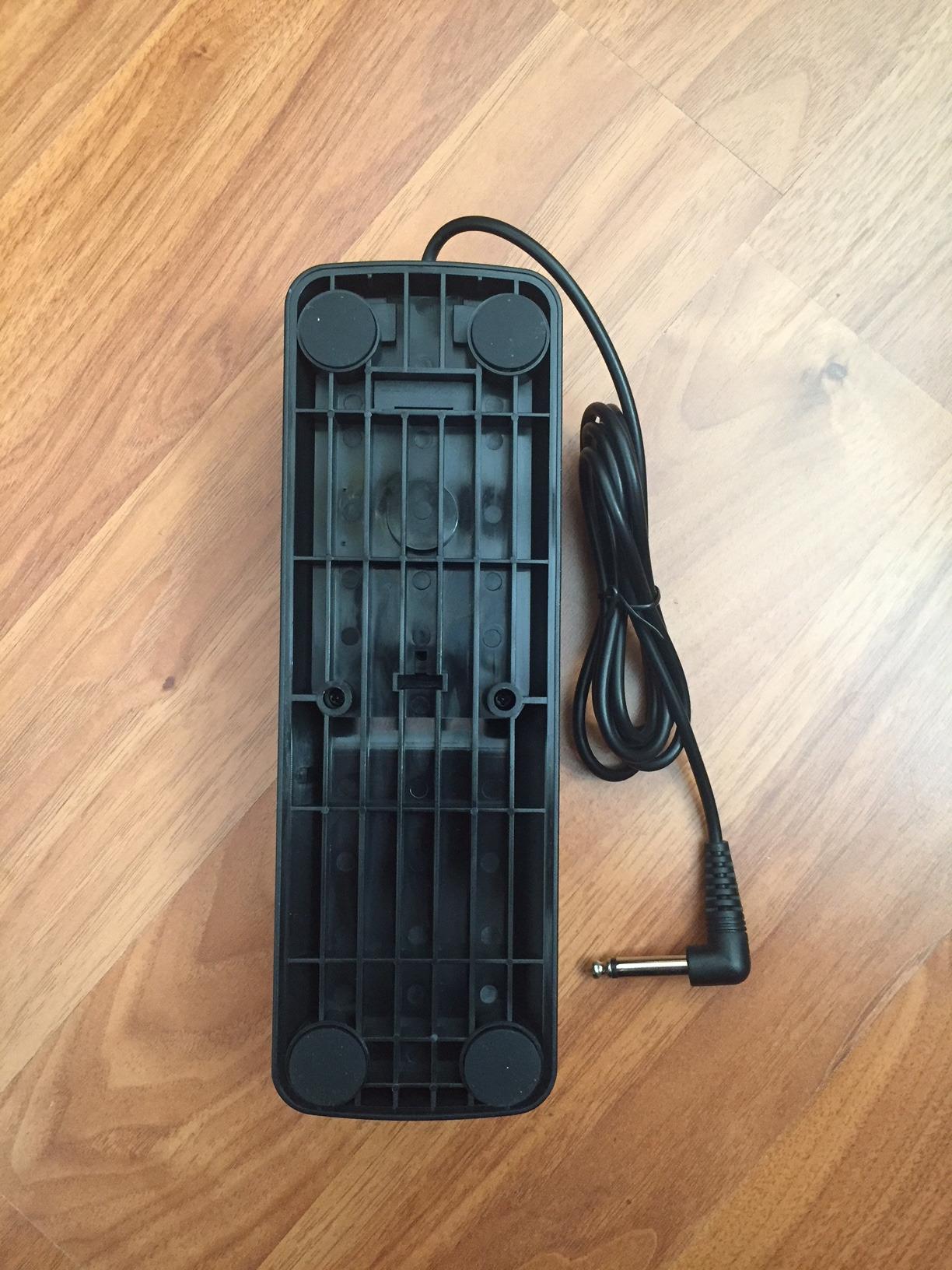
- Non-slip rubber base stays planted
- 65 inch cable
- Owners report two-plus years of use
Cons
- Internal mechanism can become slightly noisy
- Wear reported after very heavy daily use
- Limited color choices
This is the pedal that proves you do not need a grand piano budget to get a weighted metal pedal. The stainless steel tread and high strength rubberized housing give it a density that most plastic-bodied budget options simply cannot match, and owners regularly describe the action as natural and piano-like.
The polarity switch supports both normally open and normally closed operation, which is what makes it a safe choice when you are not certain what your current instrument expects. It is also a common recommendation for people moving between Yamaha, Casio, Roland and Korg instruments.
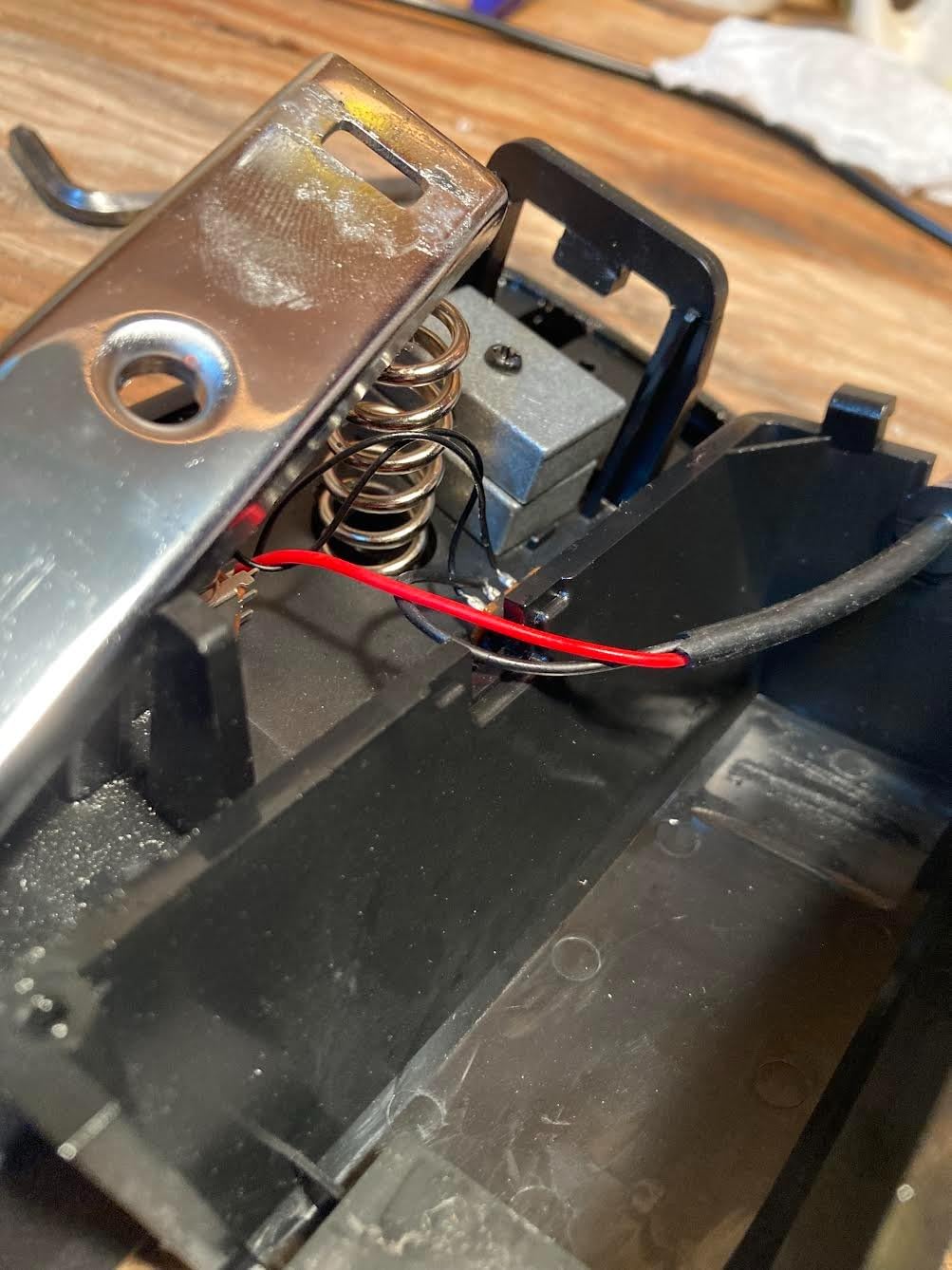
The 65 inch cable is one of the longer runs here and gives you real freedom to place the pedal where your leg naturally lands rather than wherever the cable ends. The rubber base grips hardwood, which is a common failure point for lighter models.
Be aware of one recurring note in the reviews: the internal mechanism can turn slightly noisy once the piano itself is not masking it. In a quiet room with headphones on, a faint mechanical sound is possible, and heavy daily users have reported some wear over time.
Who the Soraco pedal works best for
It fits players who want a substantial weighted feel and who move between different brands of instrument. The stainless steel pedal and weighted base also travel well, since they will not flex in a gig bag.
For anyone worried about the pedal moving during loud playing, the non-slip rubber base is one of the more dependable grips in this group, and reviewers single it out as a reason the pedal stays where they put it.
Where the Soraco pedal falls short
There is no half damper support, so the pedal behaves as a plain on and off switch. That covers the majority of playing, but it will not emulate the graded sustain response some advanced technique depends on.
It also lacks a detachable jack and carries a fixed cable, and the finish options are limited compared with some competitors. If you want a specific colour to match a stage rig, this is not the one.
4. Yamaha FC5 Compact Foot Switch — Best for Travelling Players
Yamaha Compact Foot Switch, Universally Compatible, 5-Foot Cable, 0.25-Inch Plug, Black FC5
Weight: 11.3 oz
Cable: 5 foot
Connector: 1/4 inch plug
Momentary switch
Pros
- Extremely reliable over long ownership
- Rubberized surfaces prevent sliding on hard floors
- Small and light enough to carry between setups
- Doubles as a momentary switch for drum machines and effects
Cons
- Short throw feels unlike an acoustic sustain pedal
- Fixed cable rather than a detachable jack
- Less weighted than full piano style pedals
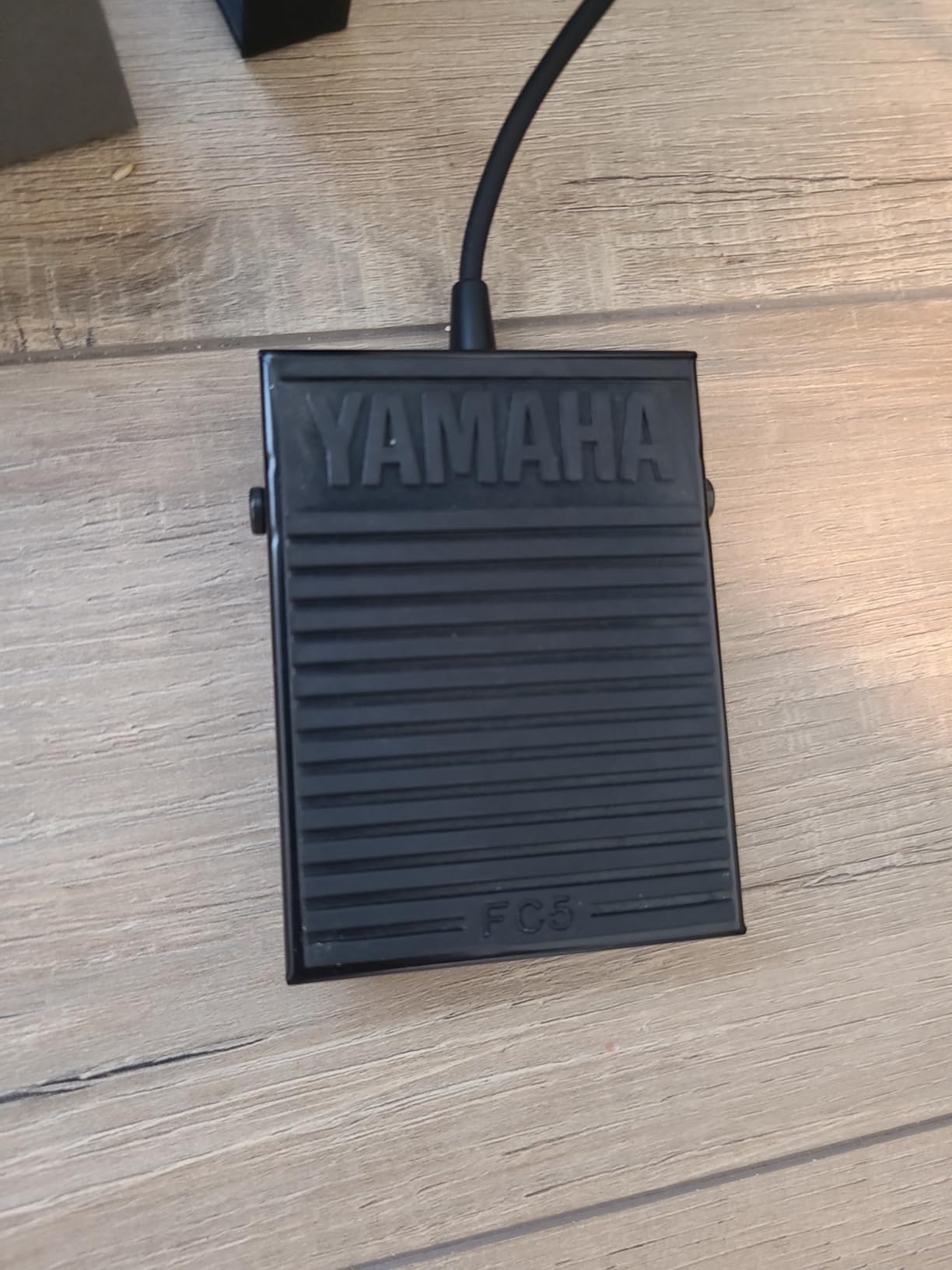
Everyone knows Yamaha from the instrument side, and the FC5 is the pedal many of those owners already have. It has been in production for two decades and owners report long service without failure, which is the kind of long-term reliability record that no amount of specification can imitate.
What you get is a compact momentary footswitch, not a full piano style lever. It measures 7.05 by 4.41 inches and weighs 11.3 ounces, so it fits in a laptop bag and takes up almost no floor space. For a worship team, a touring keyboardist, or a student who practises in two rooms, that is a genuine advantage.
The rubberized top and bottom surfaces resist slipping on hard floors, and the momentary switch action means it holds contact only while you press down, with no risk of latching on during transport. It also doubles as a momentary switch for drum machines and effects, which makes it a genuinely useful multi-tool.
The honest limitation is feel. The throw is short and the weight is light compared with a true piano pedal, and players who have grown up on an acoustic often describe the response as unfamiliar for the first few sessions.
Who the FC5 works best for
It is ideal for players who move between instruments, teach in different rooms, or play in tight spaces where a 10 inch pedal will not fit. The momentary action is also a safety net on stage, since a pedal cannot stay engaged if it gets knocked.
If you already own a Yamaha instrument, this is the matched accessory and the build quality matches what you already have under your hands. It doubles as a drum machine or effects switch when you are not playing keys at all.
Where the FC5 falls short
There is no polarity switch. It works as a standard momentary sustain control, but it is not the flexible option when you are swapping between instruments with different expectations.
The 5 foot cable is the shortest of the ten pedals here, and it is fixed rather than detachable. Both of those points matter if your instrument sits further back than a tight home setup allows.
5. Imelod Universal Sustain Pedal — Best Quiet Budget Pedal
Imelod Digital Piano and Keyboard Sustain Pedal for Yamaha,Roland,Casio,Korg,Behringer,Moog – Universal Foot Pedal Black
Weight: 5.4 oz
Cable: 63 inch braided
Connector: 1/4 inch jack
Warranty: 365 days
Pros
- Quiet operation from internal anti-squeak padding
- Reversible polarity switch
- 63 inch braided nylon cable resists abrasion
- Non-slip silicone pads
- 365 day warranty and cable ties included
Cons
- Lightweight body can slide on hard floors
- Some reports of internals wearing after about a year of heavy play
- More plastic feeling than metal pedal rivals
The Imelod pedal solves a problem the metal pedals cannot: squeaking. Its internal padding is designed to reduce mechanical noise, and for players in a small apartment or a late practice session, a silent pedal is worth more than a heavy one. At 5.4 ounces it is also the lightest full-length pedal here.
The braided 63 inch nylon cable is a standout detail at this price. Braiding resists abrasion, which matters when the cable is dragged across a stage edge or pinched behind a stand, and it is far longer than the leads on most compact footswitches.
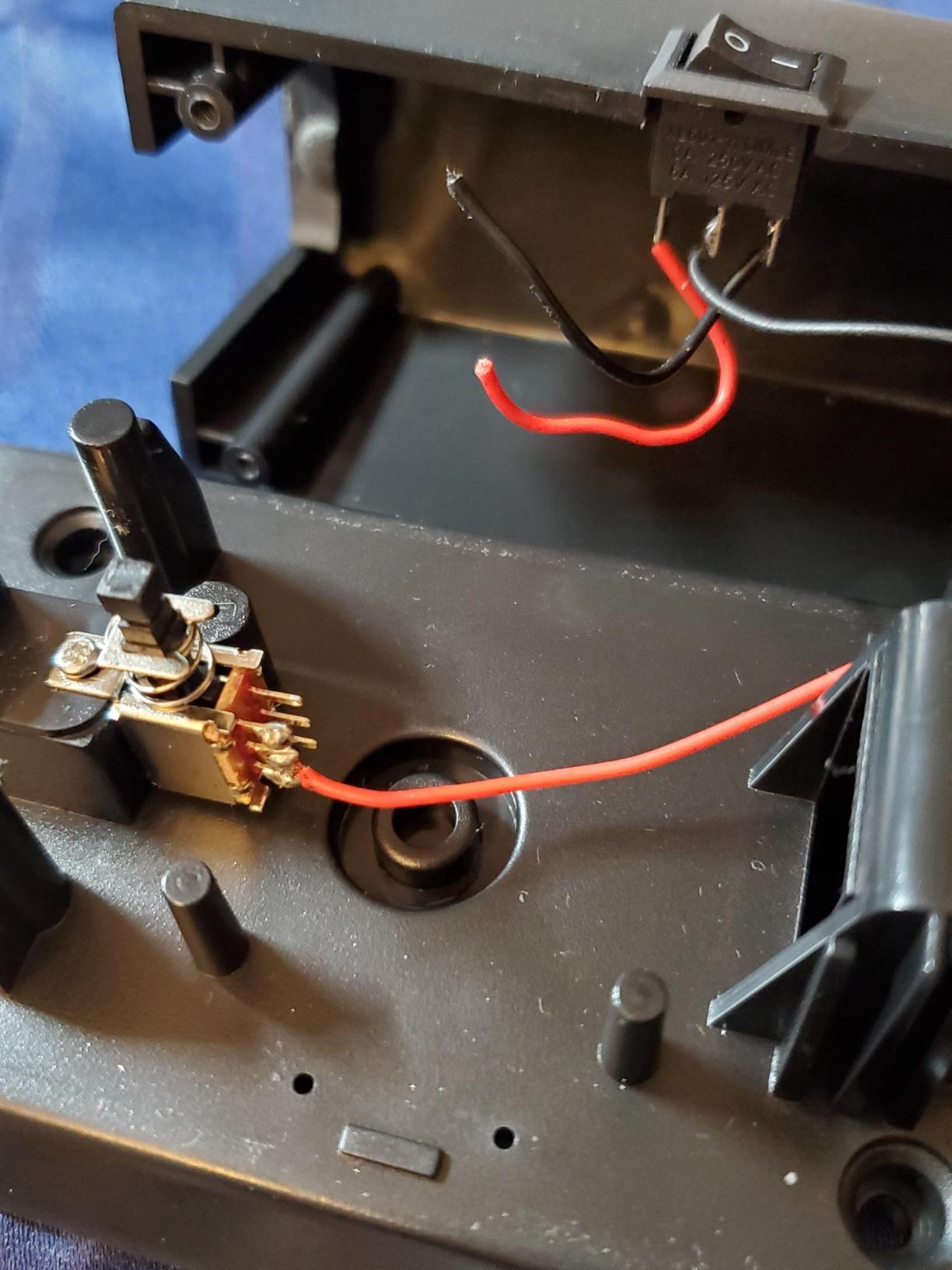
Construction is a mix of ABS body and stainless steel pedal with a premium spring, so the tread itself will not flex even though the body is light. The reversible polarity switch covers normally closed and normally open operation across keyboards, MIDI controllers, synthesizers and drum machines.
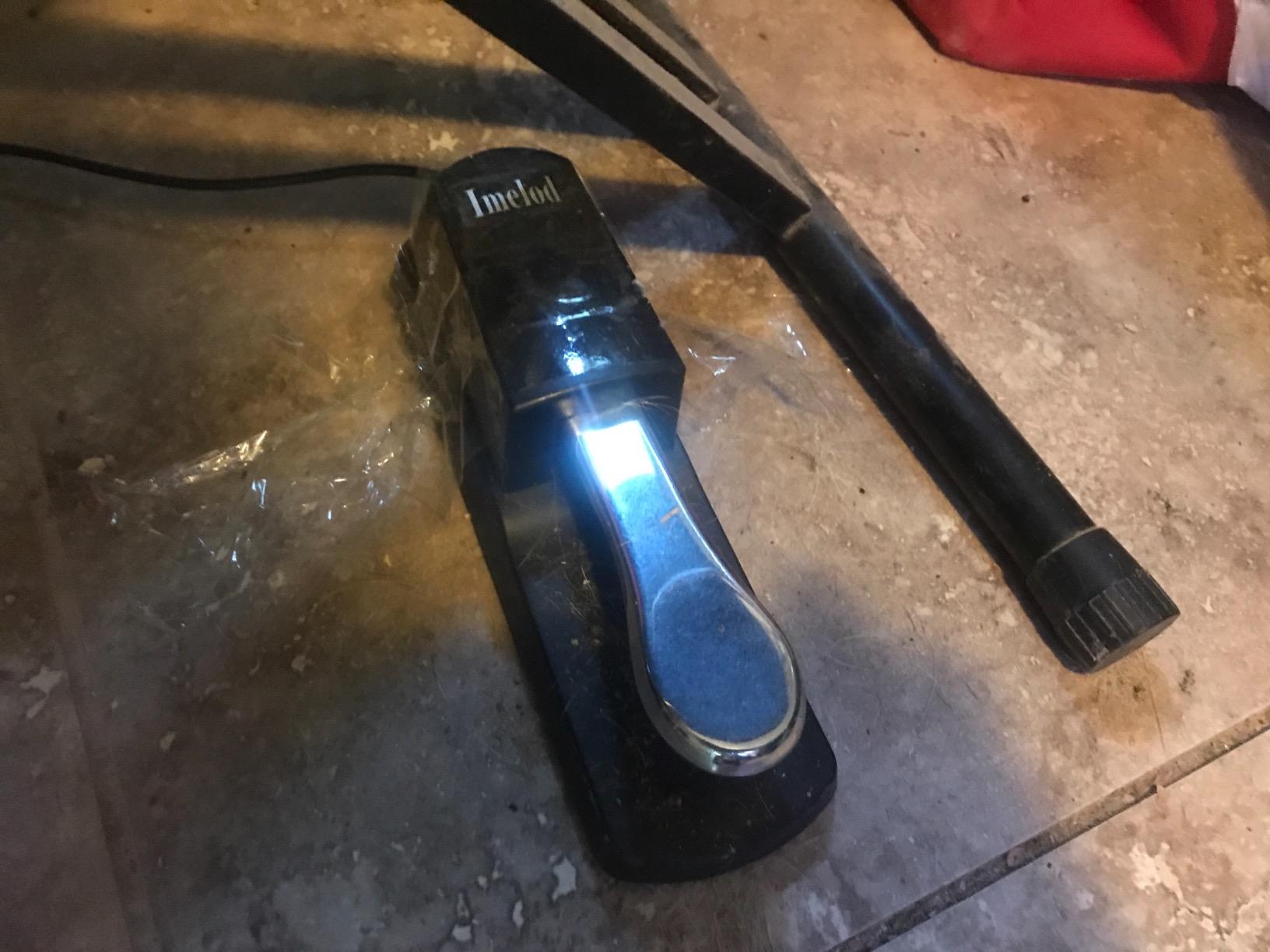
The trade-off is stability. This is the lightest pedal in the roundup, and reviewers do report it sliding on hard flooring without added grip tape. The silicone pads help, but a carpet or a small mat underneath solves it entirely.
Who the Imelod pedal works best for
It suits apartment players, students practising at odd hours, and anyone who records at home through headphones where a squeaking mechanism would be captured by the microphone.
The braided cable and long reach make it a good second pedal for a MIDI controller setup, and the included cable ties are a small touch that tells you the maker thought about cable management.
Where the Imelod pedal falls short
At 5.4 ounces it lacks the planted feel of a weighted pedal, and hard floors are where it will move most. Grip tape or a pedal mat is close to essential if your floor is smooth.
Some buyers report internal wear after roughly a year of heavy daily playing. The 365 day warranty is longer than most in this budget group but shorter than the Donner DSP-001.
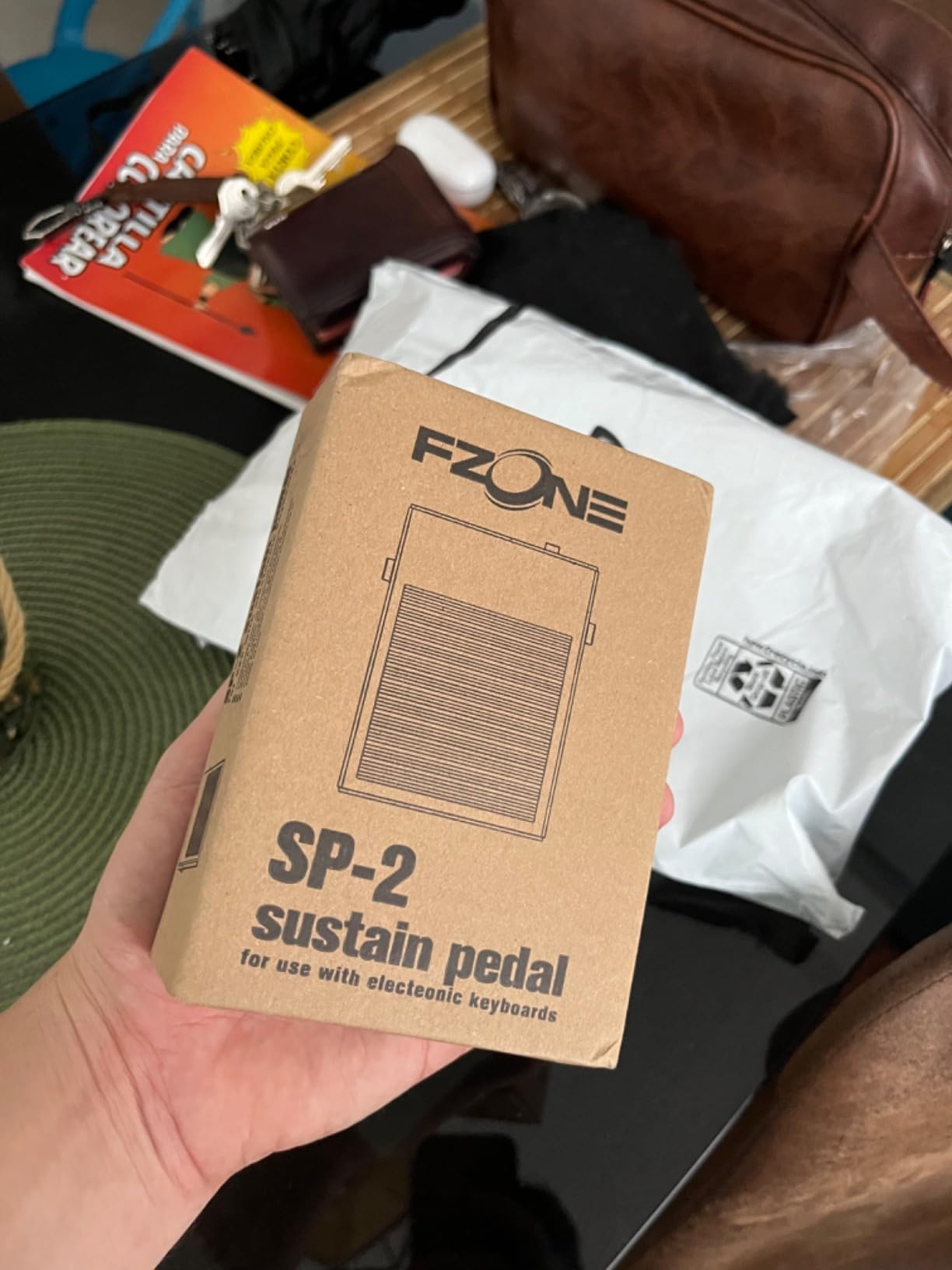
6. FZONE Compact Metal Sustain Pedal — Best Heavy Metal Build
FZONE Compact Sustain Pedal for Keyboards Digital Pianos Synthesizers,Tone Modules,Drum Machines All Metal Heavy Design,Non-Slip,with Polarity Switch
Weight: 12 oz
Connector: 1/4 inch
Build: all metal housing
Compact size
Pros
- All metal housing adds weight and durability
- Polarity switch covers essentially all brands
- Large rubber anti-slip pad grips flooring and carpet
- Compact footprint suits tight spaces
Cons
- Highest one-star share in this group at 9 percent
- Fixed cable rather than a detachable jack
- Compact shape gives less of a full piano pedal feel
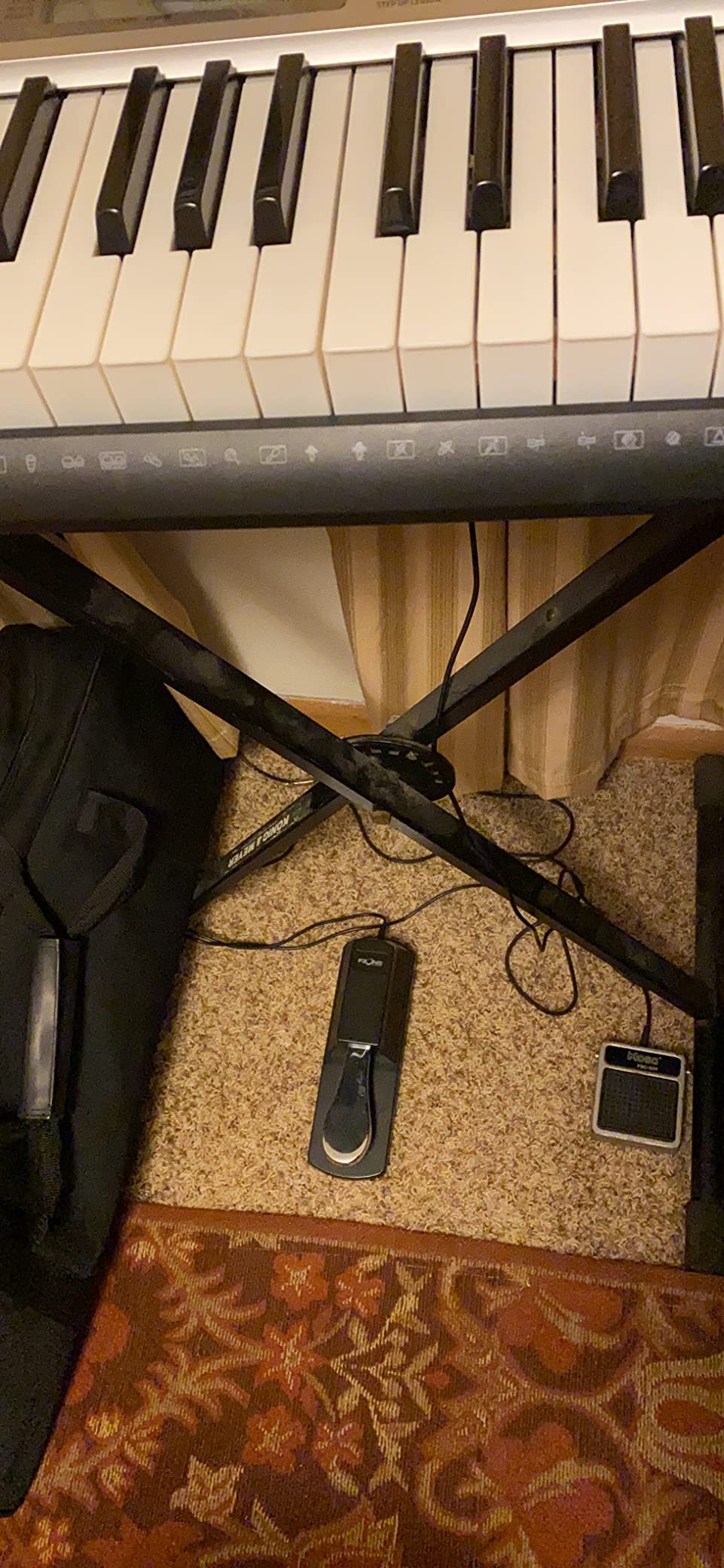
The FZONE pedal is the one I would consider when a gig is on the schedule. An all metal housing at 12 ounces gives it real mass, and that mass is exactly what keeps a pedal planted on a hard stage rather than skating away at the end of a build.
The large rubber anti-slip pad is designed to grip both hard flooring and carpet, which makes it a safer bet than lighter plastic options in venues where you do not control the surface. The polarity switch makes it a fit for keyboards, digital pianos, synthesizers, tone modules and drum machines.
The footprint is genuinely compact at 9.6 by 3.4 by 2.6 inches, so it disappears under a stand on a small stage. It plugs into anything with a 1/4 inch sustain jack, which is close to universal on current instruments.
I want to be straight about the durability picture here, because it is the reason this sits lower in the ranking. Roughly 9 percent of ratings are one star, the highest share in this group, and those reviews mention the switch or housing failing after a period of use.
Who the FZONE pedal works best for
It fits stage players who need mass and grip more than they need a refined acoustic feel. On a hard venue floor, the weight of the metal body does the work that grip tape would have to do on a lighter pedal.
The polarity switch and compact footprint also make it a sensible single pedal for someone covering several roles on one rig, from keys to drum machine duties in a small setup.
Where the FZONE pedal falls short
The compact shape gives less of a true piano pedal sensation than a full-length weighted lever, even with the metal housing. If your priority is replicating acoustic technique, a heavier piano style model is a better match.
The fixed cable and the elevated one-star share are both worth weighing. Owners who put this pedal through heavy daily use should expect to check it periodically rather than assume it will last indefinitely.
7. Casio SP-20 Piano Style Sustain Pedal — Best Weighted Pedal for Casio Owners
Casio SP-20 Piano-Style Sustain Pedal
Weight: 0.85 kg
Connector: 6.35mm jack
Warranty: 1 year
Finish: polished black
Pros
- True piano style pedal with a heavier realistic feel
- Factory matched to Casio instruments with a pedal jack
- Long cord reaches behind a keyboard stand
- Highest rating alongside the SP-2
Cons
- Only a 1 year manufacturer warranty
- Higher cost than generic universal pedals
- Some third party keyboards need an adapter
The SP-20 is the most convincingly weighted pedal in this roundup at 0.85 kg. If you have ever played an upright and then tried a lightweight plastic pedal, the difference is immediate, and this is the model I suggest when someone is chasing that acoustic response rather than just basic sustain.
It is factory matched to Casio keyboards and digital pianos with a pedal jack, which removes any guesswork about polarity for anyone already inside the Casio ecosystem. The long cord gives plenty of reach behind a keyboard stand, and the polished black finish suits a furniture-style home piano.
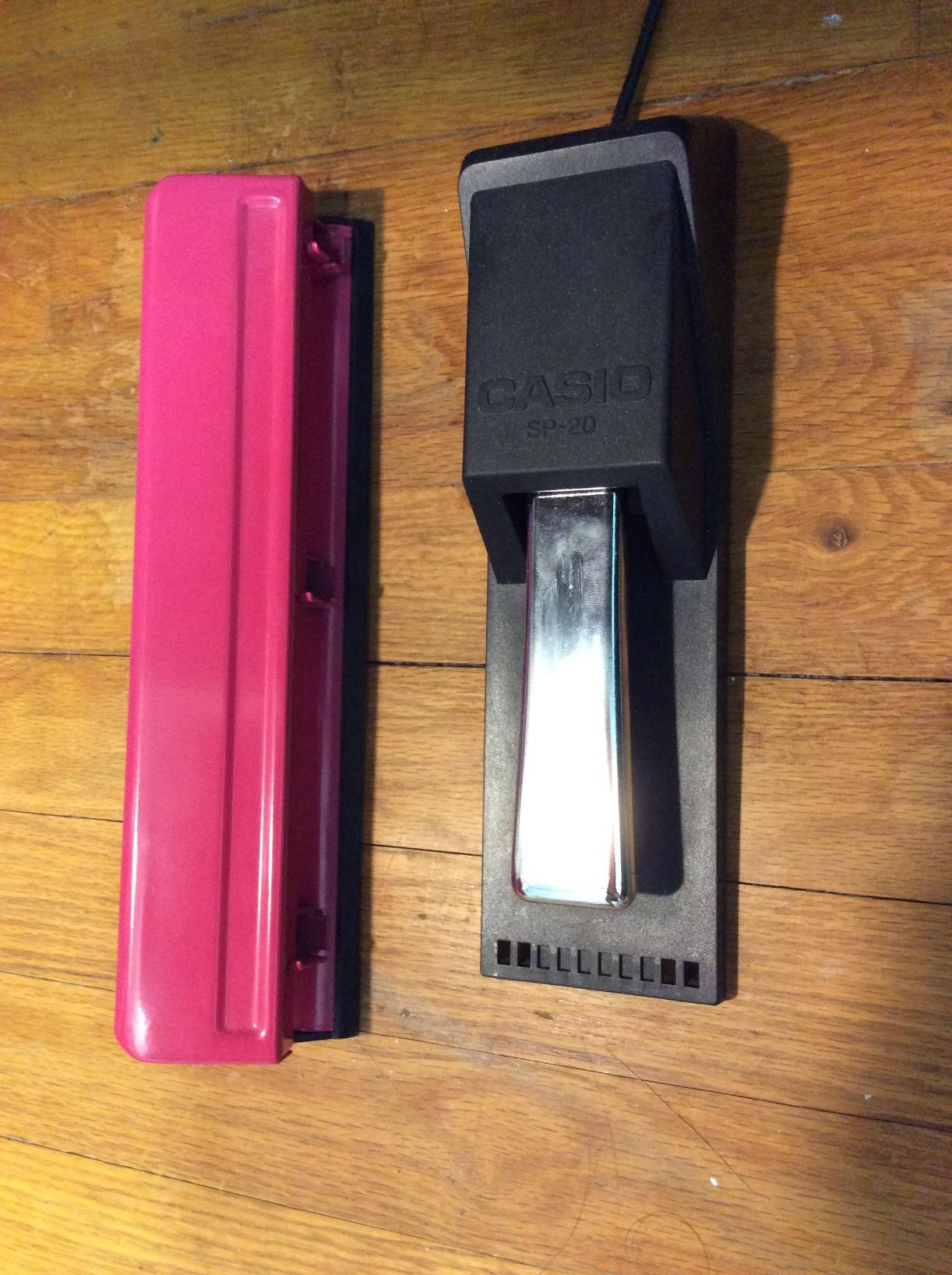
Ratings sit at 4.7 stars from 1,487 reviews with 83 percent five-star feedback, the strongest share in this group. Owners who want a true piano style weighted action gravitate here and report it feels noticeably more authentic than universal metal pedals.
Two caveats before you commit. The warranty is a single year, which is shorter than the Donner DSP-001 offers, and the jack is a 1/4 inch type, so some third party instruments with smaller pedal inputs will need an adapter.
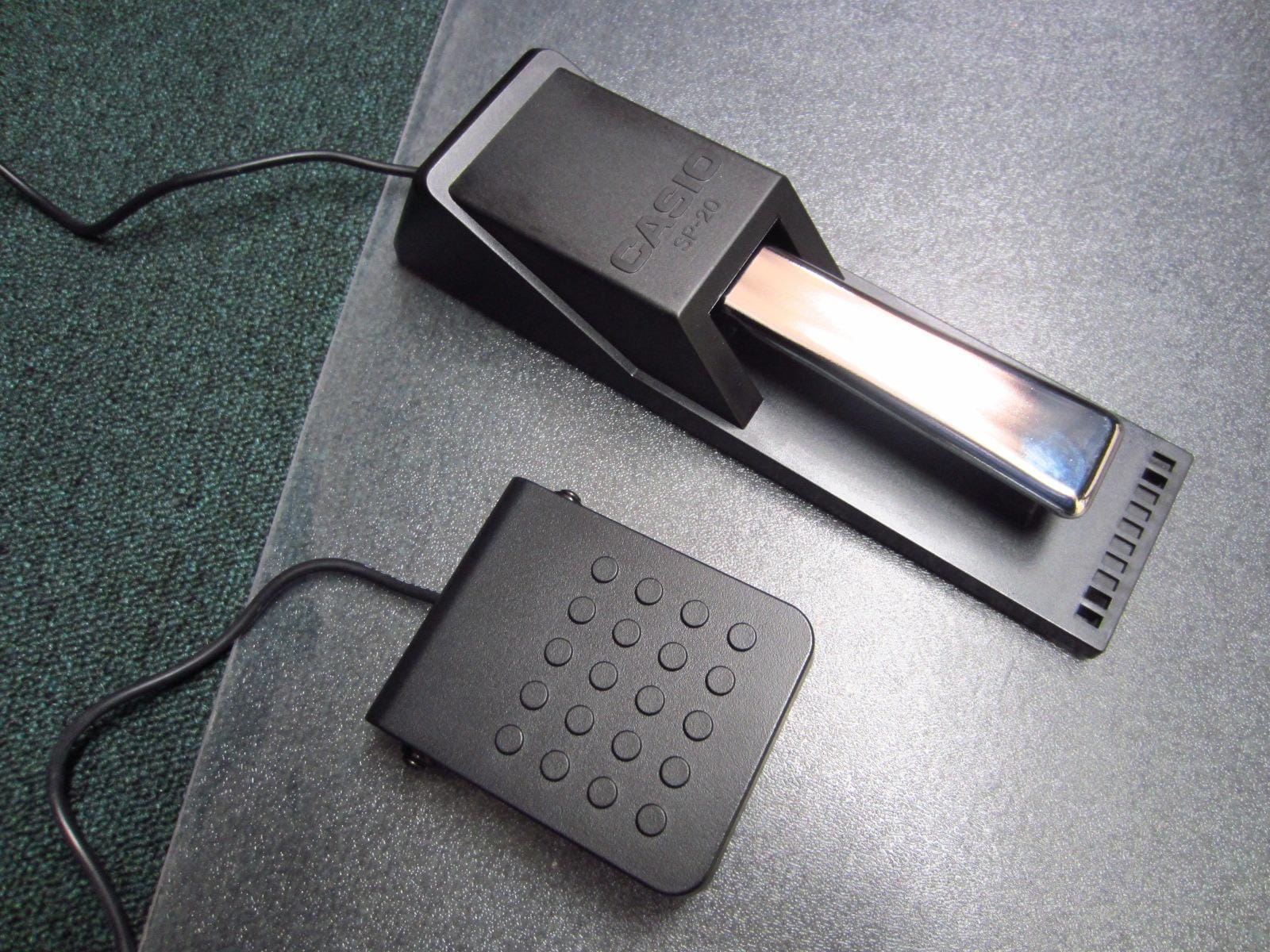
Who the SP-20 works best for
It suits Casio owners who want the matched accessory and the heaviest pedal feel here. It also suits anyone on another brand who is willing to confirm the jack size first and wants a weighted action over a switchable one.
Classical students and players working through legato repertoire benefit most from the resistance. The pedal holds a note the way an upright does, which makes legato fingering practice far more honest.
Where the SP-20 falls short
There is no polarity switch, so it is less flexible when you change instruments. That flexibility is the reason most of the cheaper universal models outscore it on long-term versatility.
It also costs more than the generic universal options without adding half damper support. The one year warranty is the shortest coverage on a pedal at this level of finish.
8. Casio SP3 Sustain Pedal — Best Compact Piano Style Pedal
Casio SP3 Sustain Pedal for Keyboards
Weight: 6.1 oz
Connector: 1/4 inch mono plug
Size: 6 x 5 in
Warranty: 1 year
Pros
- Simple reliable piano style action from a major maker
- Works with most keyboards that have a 1/4 inch sustain input
- Adds expressive control to keyboards sold without a pedal
- Lightweight and simple to set up
Cons
- Smaller 6 x 5 inch footprint than full size piano pedals
- No polarity switch so it is less universal
- Only a 1 year warranty
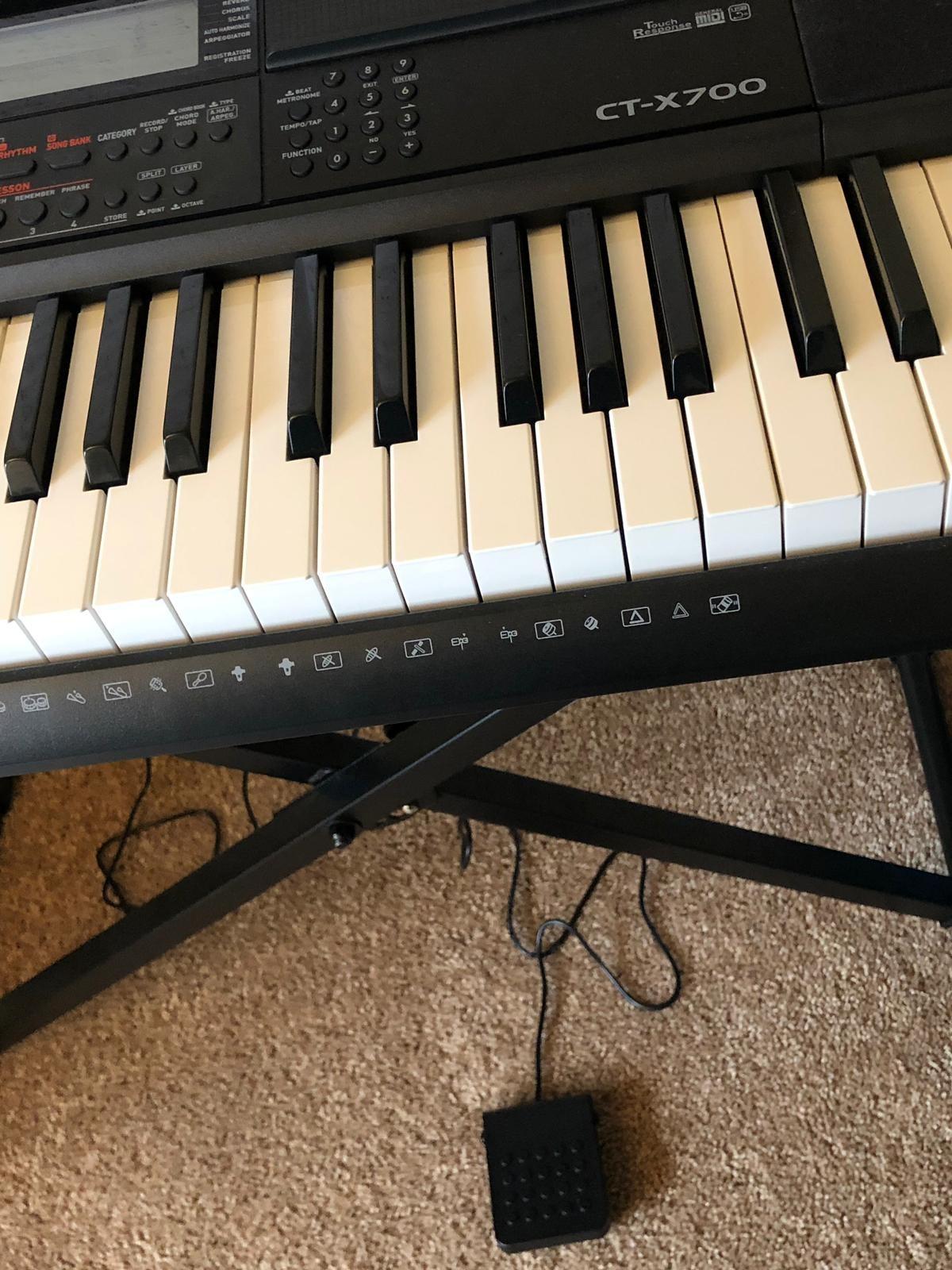
The SP3 is the pedal to look at when floor space is the deciding factor. At 6 by 5 inches it is the smallest piano style unit here, and at 6.1 ounces it can be moved with one foot if it ends up under the bench.
Despite the small body it uses a genuine piano style lever action with a 1/4 inch mono plug, so you get the lever travel and resistance that a footswitch cannot provide. It is the sort of addition that makes an entry level keyboard playable for expressive repertoire rather than just note learning.
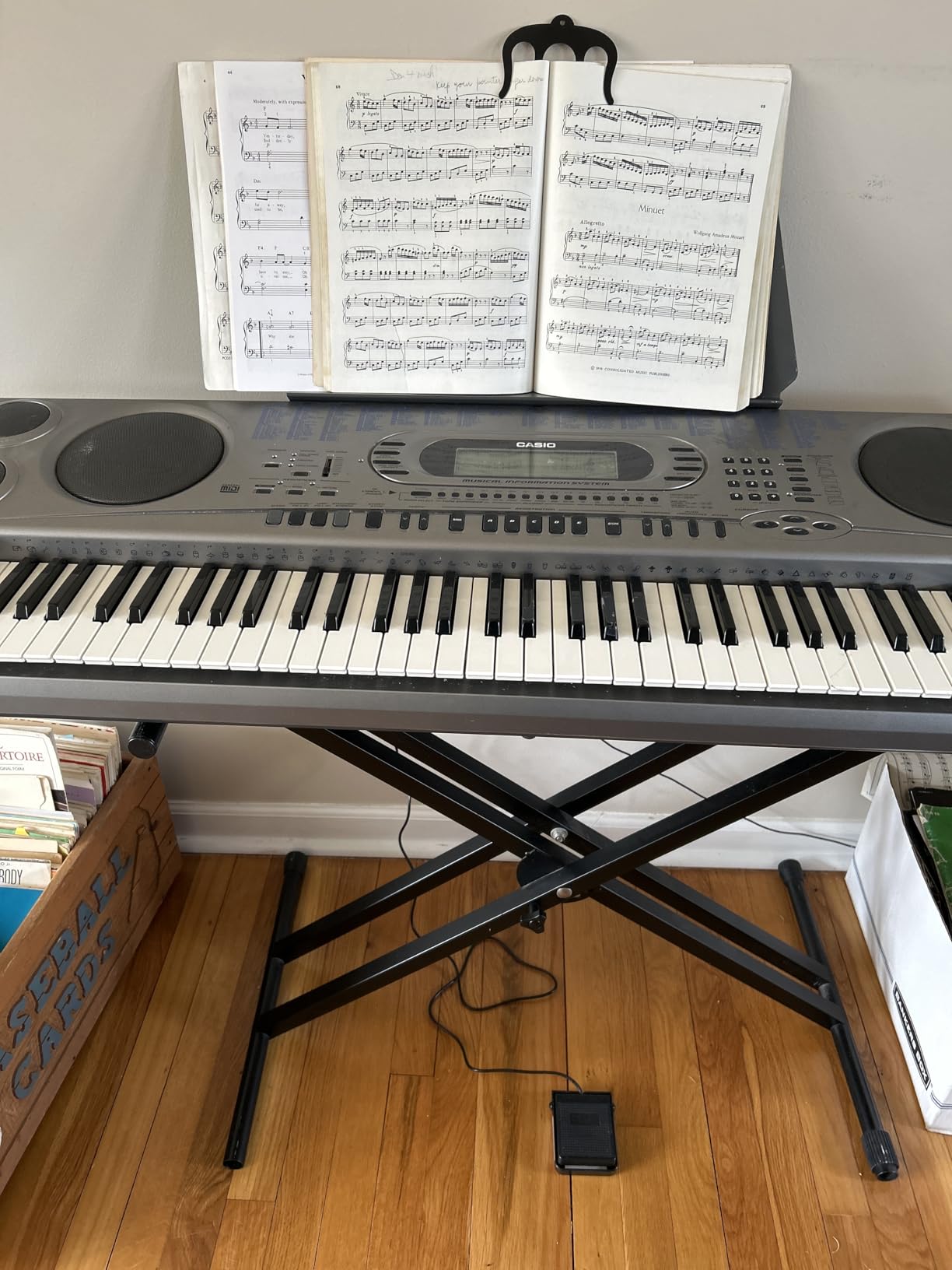
Ratings hold at 4.6 stars from 1,010 reviews, and the feedback pattern is consistent: owners use it as a straightforward, dependable add-on for Casio keyboards and other instruments with a 1/4 inch sustain input, and they praise the action and the simple setup.
The limitation to understand is the missing polarity switch. It will work with most keyboards that use a 1/4 inch sustain input, but if you own more than one brand of instrument you may find yourself testing each one rather than flipping a switch.
Who the SP3 works best for
It suits students in small rooms, apartment setups and practice rooms where a full length pedal will not fit under the bench. It is also a clean first pedal for an entry level keyboard that shipped without one.
If you want lever action without the bulk of a weighted pedal, this is the straightforward answer. The action reads as a real piano pedal even though the body is small.
Where the SP3 falls short
The compact footprint means a shorter throw than a full size piano pedal, so players chasing a grand-like feel may still want something longer. It is also the lighter of the two piano style options in this roundup.
With no polarity switch and only a one year warranty, this is a pedal for a single known instrument rather than a flexible setup you move between rooms of the house with different keyboards.
9. AODSK Universal Sustain Pedal — Best Quiet Chrome Pedal
AODSK Sustain Pedal, Universal Piano Pedal for Digital Piano/Electronic Keyboard/MIDI Keyboard Synthesizer, with Polarity Switch, 1/4” (6.35mm) Input Plug
Weight: 11.84 oz
Cable: 63 inch
Connector: 6.35mm nickel plated
Warranty: 3 months
Pros
- Polarity switch covers a wide range of keyboards and instruments
- Chrome metal pedal with dual silent pads for quiet operation
- 63 inch cable for stage or studio movement
- Non-slip rubber base
- Nickel plated connector for a stable signal
Cons
- Only a three month product warranty
- Fixed cable with no detachable jack
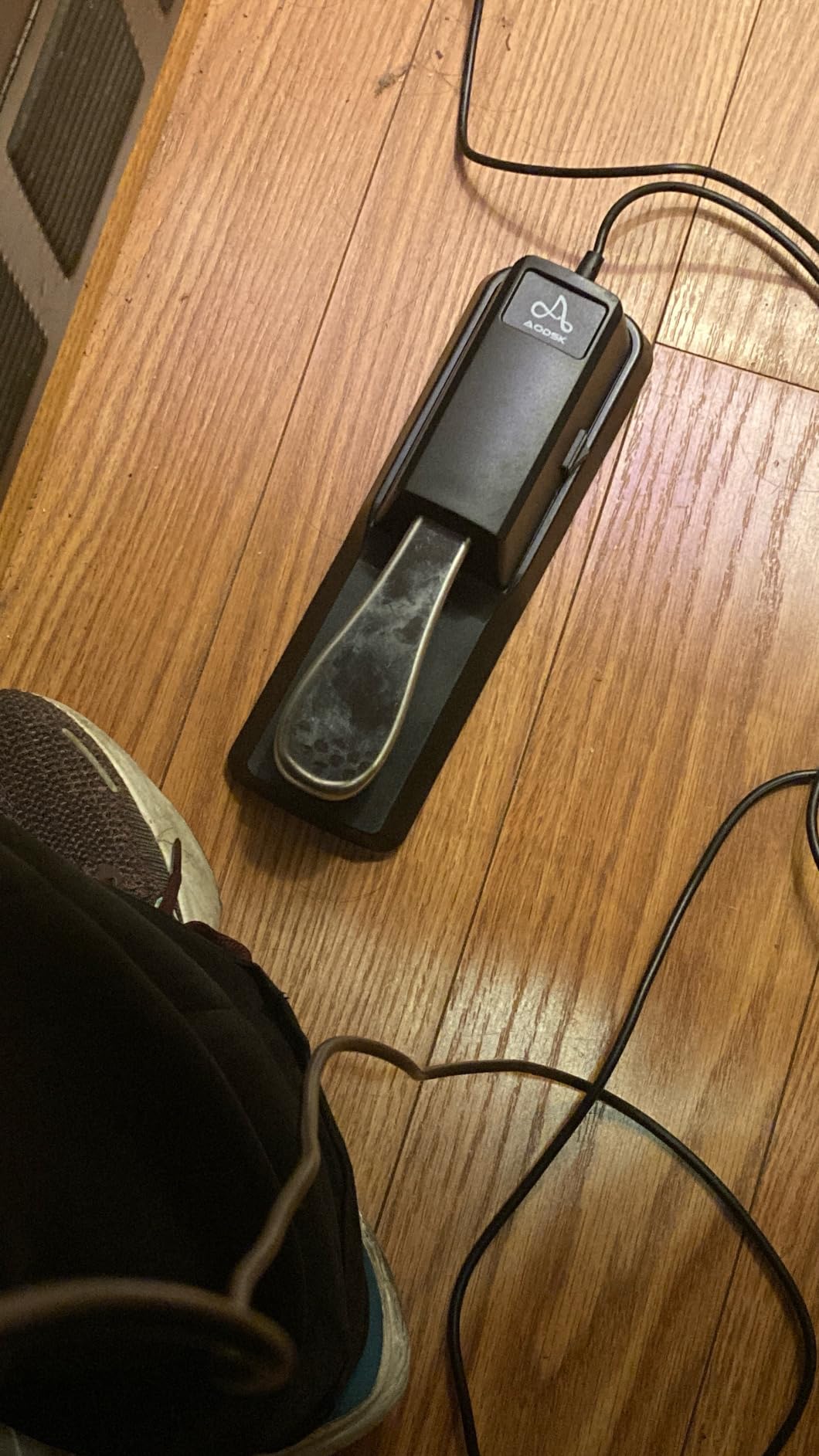
The AODSK pedal pairs a chrome metal tread with dual silent pads, and that combination is the reason it appears here. Quiet action from a metal pedal is rarer than you would expect at this level, and it makes the pedal a good fit for small rooms and close-mic’d recordings.
At 11.84 ounces it sits in the middle of the weight range, which gives a more planted feel than the lightest pedals without the bulk of a 0.85 kg piano style unit. The non-slip rubber base adds further resistance to movement on hard flooring.
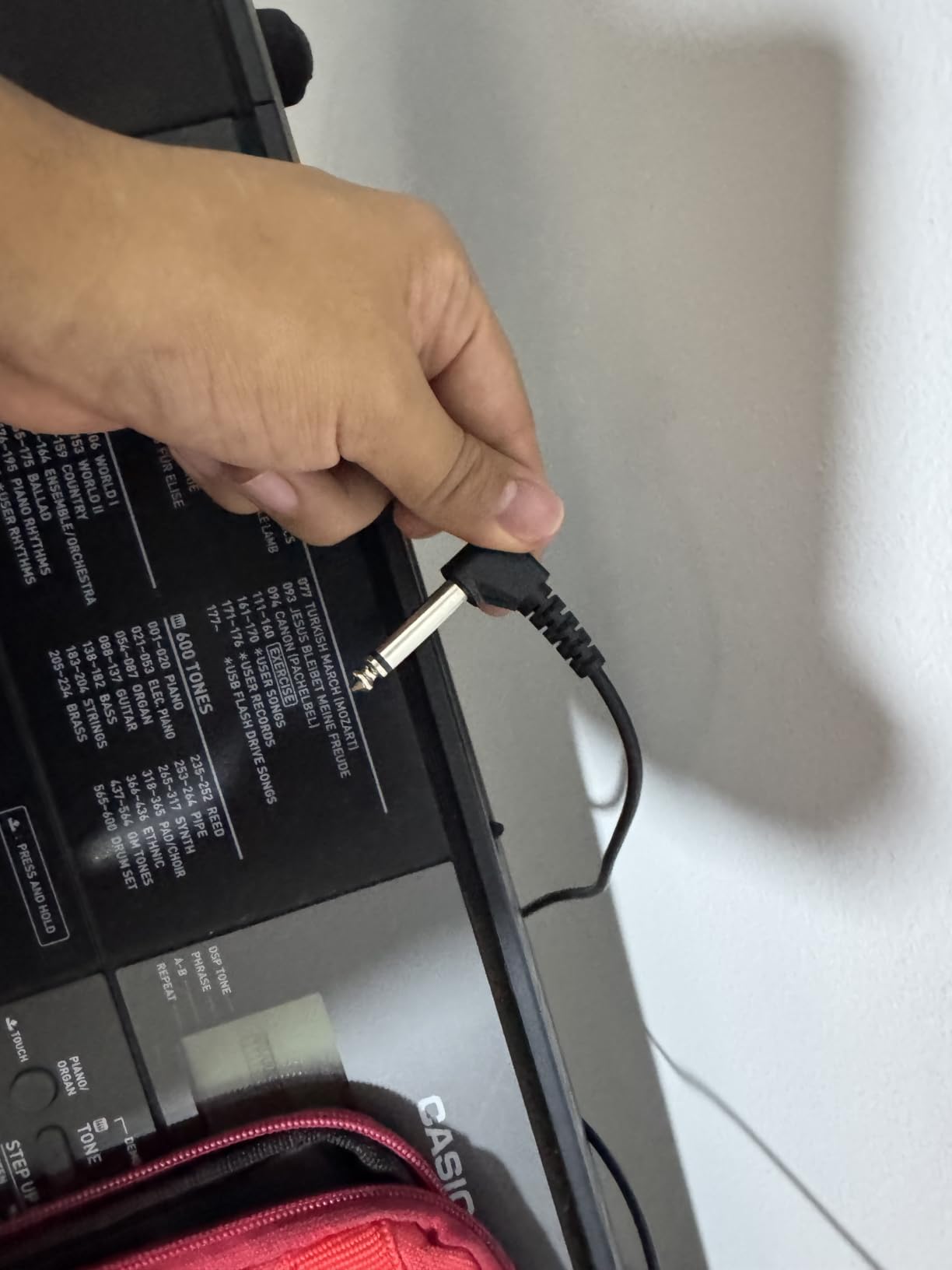
The polarity switch covers a wide range of keyboards and electronic instruments, and the nickel plated 1/4 inch connector is a sensible choice for a signal path that gets plugged and unplugged regularly. The 63 inch cable is long enough for most stage and studio layouts.
The weakness is the warranty, and it is the shortest in this roundup at three months. That is worth keeping in mind, though it is also why I would not build a professional touring setup around this pedal as your only sustain control.
Who the AODSK pedal works best for
It works for players who want a quiet metal pedal with a good amount of weight behind it, particularly in a bedroom studio where a squeaking mechanism would end up in the recording. If you plan to capture ideas quickly between practice sessions, our digital voice recorder guide covers lightweight options for jotting down melody lines.
The dual silent pads make it a comfortable choice for long practice sessions, and the nickel plating resists corrosion if your setup lives in a humid room or a garage rehearsal space.
Where the AODSK pedal falls short
Three months of coverage is the shortest here, so treat it as a consumable accessory rather than a long term investment. It also has no half damper support and a fixed cable.
If you already own one of the higher rated pedals in this list, the AODSK is harder to justify except for the silent action. For a first pedal, the warranty gap is the deciding factor against it.
10. On-Stage KSP100 Universal Sustain Pedal — Best Full Size Weighted Pedal
On-Stage KSP100 Universal Sustain Keyboard Pedal
Weight: 3.2 oz listed
Cord: 6 foot built in
Connector: 1/4 inch plug
Warranty: 1 year
Pros
- Full size chrome finished pedal gives a weighted authentic feel
- Polarity switch for universal compatibility
- Removable protective cover doubles as a nonslip grip
- Nonslip rubber feet prevent skids
- Built in 6 foot cord
Cons
- Cable is permanently attached
- Only a 1 year limited warranty
- Weighted feel may exceed what compact setups need
The KSP100 is the pedal for anyone who wants the look and feel of a full size chrome piano pedal in a vintage style, and it carries the highest five-star share in this roundup at 84 percent. It is a full length lever with genuine resistance rather than a small switch.
The removable protective cover is the detail I like most. It doubles as a nonslip grip, so you can take it off for transport and put it back on for playing, and it keeps the chrome finish looking new in a rehearsal room where nothing else is treated gently.
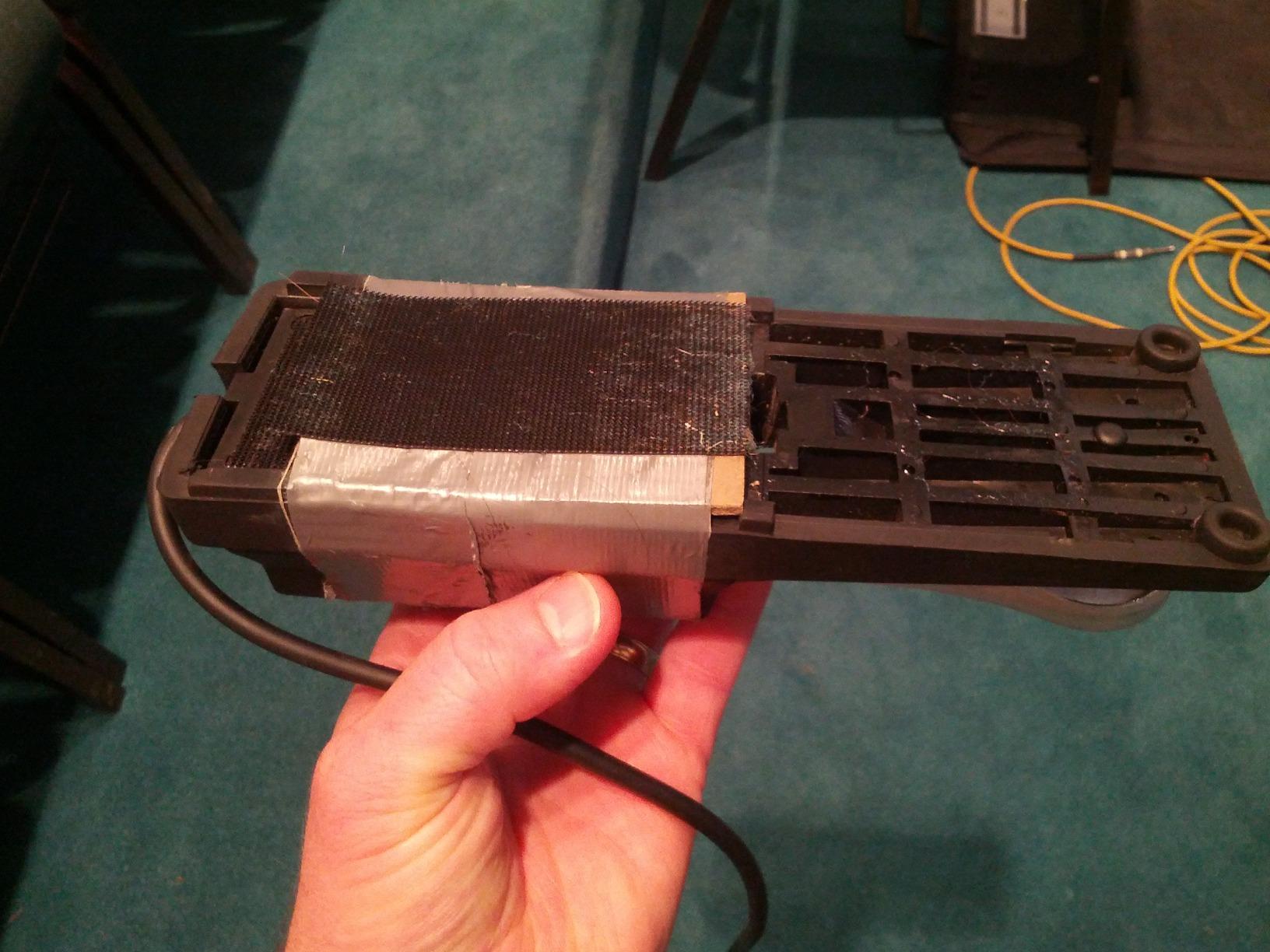
The polarity switch makes it usable across keyboards, synths, organs and digital pianos, and the built in 6 foot cord gives enough positioning freedom for most home and stage setups without dragging cable across the room.
The rating here rests on a smaller review base than the other picks, so treat the consensus with proportion. What the feedback does support is the feel: players who prioritise a genuine weighted piano style action consistently single it out.
Who the KSP100 works best for
It suits players who care about appearance and weighted action together, and who want a pedal that looks deliberate beside an upright or a furniture style digital piano. The removable cover also protects the finish between sessions.
Nonslip rubber feet add stability on top of the cover grip, which is a helpful double layer if you practise on a smooth floor or thin rug that shifts.
Where the KSP100 falls short
The cord is permanently attached rather than using a detachable 1/4 inch jack, and the warranty is one year limited. If the cable is damaged, there is no simple repair at the pedal end.
The weighted feel can be more than a very compact setup needs. Players with a small desk keyboard and a tight floor space may find the resistance heavier than necessary for practice.
How to Choose a Sustain Pedal?
Start with polarity, because it decides whether the pedal works at all. A pedal wired normally closed expects the circuit to be closed when the pedal is up, while a normally open pedal does the opposite. Plug the wrong one in and your sustain behaves backwards, which is the single most common question players bring to a digital piano setup.
A polarity switch removes the guesswork. Flip it, press the pedal, and if notes sustain instead of cutting off, switch it back. Every pedal in this roundup marked as universal has one, and it is the feature I would not compromise on if you own more than one instrument.
Connector type is the second check. Most digital pianos take a 1/4 inch 6.35mm jack, which is what all ten pedals here use, but some compact keyboards have a smaller 3.5mm input. The Donner DSP-001 review notes that an adapter is needed on those, and it is not included in the box.
Next comes feel. A weighted lever with a heavier body resists sliding and gives you an acoustic-like response; a compact momentary switch is lighter, smaller and less pedal-like. Classical students and anyone learning legato technique benefit most from weight, while travelling players benefit most from a small footprint.
Half damper is worth understanding even though few budget pedals include it. A half damper pedal sends a continuous value rather than a simple on or off, letting you press halfway for a partial sustain the way an acoustic grand behaves. On a digital piano, that means less brightness when you hold partially. If your instrument supports it and your repertoire needs it, confirm support before buying, because none of the ten pedals here advertise continuous half damper control.
Cable length is more important than most buyers expect. Six foot is typical, and 63 to 65 inches gives you real freedom to sit where you like rather than where the cable ends. Every pedal here has a fixed cable, so plan your distance before you choose.
Track your progress while you test these out. A simple digital note taking tablet for practice journals works better than a paper notebook once you start logging repertoire and pedal setups, and the habit pays off faster than any accessory.
Stopping a Pedal From Sliding
Sliding is the complaint I hear most often, and it has three practical fixes. Pedals with rubber pads, silicone pads or rubber feet already in the list handle it at the source, which is why they rate well with gigging players. Beyond that, a strip of grip tape on the underside fixes lighter models in seconds, and a pedal mat under a carpeted area adds a layer of friction without changing the pedal.
Carpet is worse than people expect, because the pile compresses under a light pedal and lets it move. Hard floors are better for weighted models and worse for light ones. Matching pedal weight to floor type solves most sliding complaints without any modification at all.
When a Sustain Pedal Stops Working?
If your pedal behaves backwards, flip the polarity switch before assuming the pedal is faulty. That single step resolves the majority of reported problems.
If nothing happens at all, check the jack at the instrument end first, since a partially seated 1/4 inch plug is common after moving a stand. Test the pedal on a second instrument to isolate whether the fault is in the pedal or the keyboard, and confirm the instrument is set to accept a sustain pedal from its external input.
If the pedal works intermittently, the contact switch inside the housing is the likely culprit and cleaning the jack with a dry cloth often restores a marginal connection. A pedal that has been in a damp room may also need time to dry out before you judge its condition, which is a documented concern with the metal pedal designs in this group.
Frequently Asked Questions
What is the best sustain pedal for an electric piano?
The M-AUDIO SP-2 is the most dependable all-round choice, with a full-length lever, a polarity switch and rubber underside pads that resist sliding. For the heaviest weighted action, the Casio SP-20 or the On-Stage KSP100 feel more like an acoustic pedal.
Can a sustain pedal work with any digital keyboard?
Almost, as long as the connector and polarity match. Most digital pianos and keyboards use a 1/4 inch 6.35mm sustain jack, while some compact models use a smaller 3.5mm input that needs an adapter. Choosing a pedal with a polarity switch removes the second problem entirely.
Which Yamaha sustain pedal is considered the best?
Among the models covered here, the Yamaha FC5 stands out for durability and portability. It is a compact momentary footswitch at 11.3 ounces with rubberized grip surfaces, and it doubles as a switch for drum machines and effects. Its trade-off is a short 5 foot cable and no polarity switch.
How do I fix a sustain pedal that works backwards?
Flip the polarity switch on the pedal. Normally closed and normally open instruments expect opposite behaviour, and a backwards pedal means the wiring does not match what your digital piano expects. If the pedal has no switch, it is likely built for one polarity only and is not the right match for that instrument.
Do I need a 3-pedal unit for a digital piano?
For most home, practice and gigging situations a single sustain pedal is enough. A 3-pedal unit adds sostenuto and soft pedal functions that matter for advanced classical repertoire and for software piano libraries that map each pedal separately. Check whether your digital piano has a dedicated multi-pedal input before buying one.
Final Verdict on the Best Sustain Pedals for Digital Pianos in 2026
The M-AUDIO SP-2 wins this roundup because it does the three things that matter most: it has a real lever action, a polarity switch, and a grippy base, and it has been proven over tens of thousands of ratings. If you want a longer warranty and a longer cable, the Donner DSP-001 is the value pick. If weight and sliding on stage are your priorities, look at the metal housings and the weighted piano style models instead.
Whichever you pick, spend the five minutes testing polarity and grip before you start practising. Getting the best sustain pedals for digital pianos is the easy part, and matching the pedal to your floor and your instrument is what makes it feel right. If you write your own material to go with those pedals, our digital typewriter for writers guide covers the quieter options for scoring lyrics at the piano.