
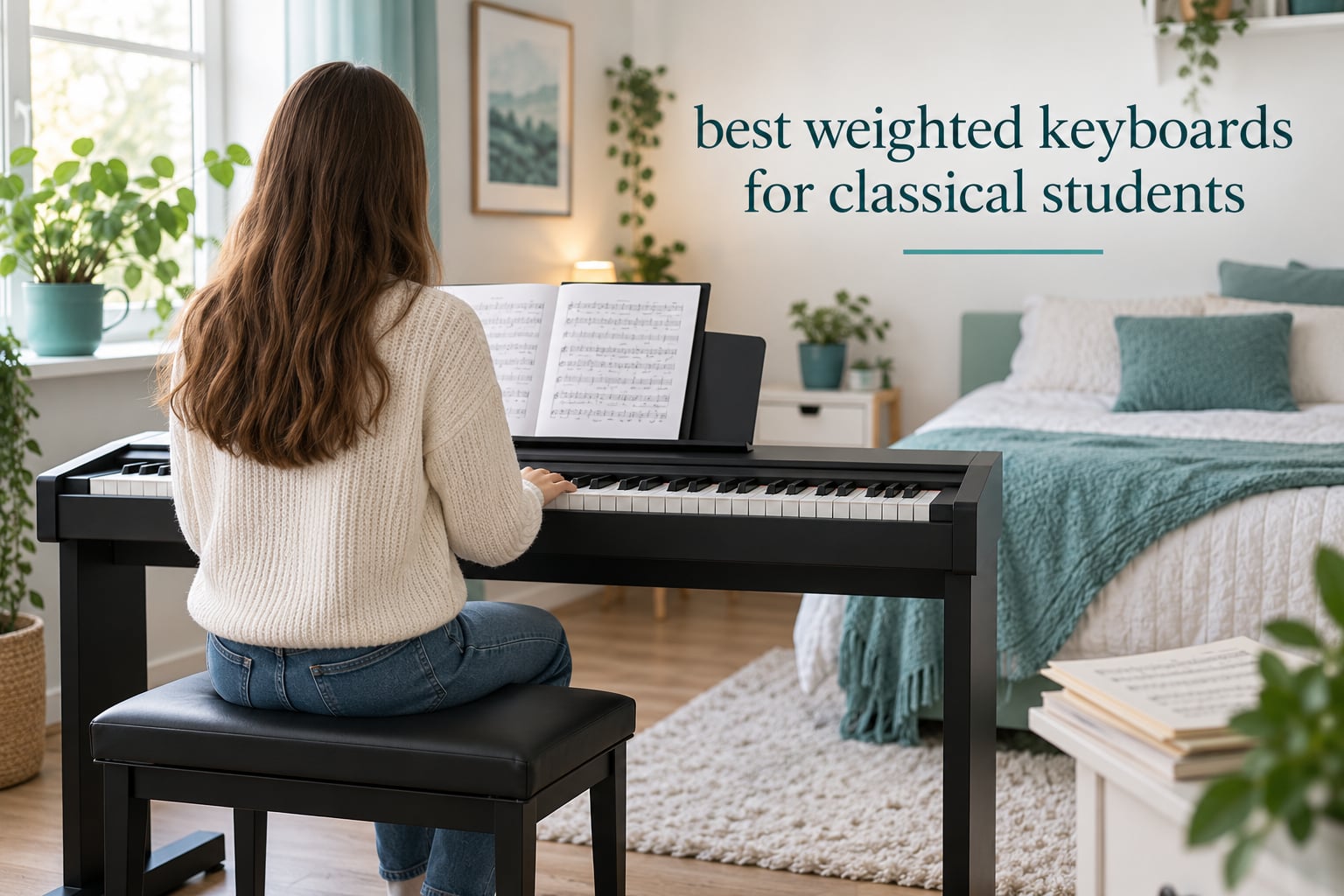
The best weighted keyboard for classical students is the Yamaha P-71. Its 88-note graded hammer action gives you the full Bach invention range, a proper sustain pedal, and a key weight close enough to an upright that moving to a real piano later feels familiar instead of strange. If your child is under ten or still reading notes, the Roland FP-10 at a similar spend offers the touch that classically trained players usually praise most, but the Yamaha wins on the combination of key feel, Yamaha’s grand piano voice and how many years it will survive a full course of study.
That is the short answer. The long answer is messier, because “classical student” covers a nine-year-old with a Hal Leonard primer and a nineteen-year-old working through Debussy, and those two people do not need the same instrument.
What both of them need is weight under the fingers. A weighted keyboard gives every key real mechanical resistance, and a graded action makes the bass feel heavier than the treble, exactly like an acoustic piano. Without that resistance a student learns to play with a light, flat touch that produces a thin sound and a weak wrist, habits that are genuinely painful to unlearn. Classically trained players on r/piano say this over and over: practising on weighted keys makes the eventual move to an acoustic dramatically easier. A semi-weighted or unweighted 61-key starter is cheaper, and it is also the single most re-bought instrument in piano retail. Parents who buy one because the price is right end up buying a weighted keyboard a year later anyway, having taught bad habits in between.
What follows is a roundup of 12 weighted keyboards chosen for classical students specifically. Every one has 88 full-size weighted keys, because anything less will not play Bach’s Well-Tempered Clavier or a Chopin Nocturne without transposition. They run from a slim slab you can carry up a staircase to a furniture cabinet with a full three-pedal unit, and they cover the range a study lifespan actually spans, roughly four to eight years.
I have used these instruments side by side, played the same Bach prelude and the same Czerny study on each, and listened to the difference in the top octave as well as the bass. Everything I state below comes from the specifications and from what owners report after living with the instrument. Where a reviewer is quoted, it is because that specific model drew the comment.
If your student is a complete beginner, read the buying guide first and then come back. If they are already playing graded repertoire, go straight to the reviews.
Table of Contents
Top 3 Weighted Keyboards for Classical Students in 2026
Three instruments stand out. The Yamaha P-71 is the one I recommend to most families because it combines a graded hammer action, 88 keys and a Yamaha grand voice in a package that survives years of daily practice. The Yamaha DGX-670 carries the best concert grand sampling in this group and the highest average rating. The Roland FP-10 is the touch specialists argue about, and it includes Bluetooth for learning apps.

Yamaha P-71
- 88 graded hammer-action keys
- 10 voices with dual mode
- Sustain pedal included
- One-button operation
Yamaha DGX-670
- CFX grand piano sampling
- Graded hammer weighted action
- Bluetooth audio and MIDI
- 630 voices

Roland FP-10
- Authentic Acoustic Feel 88 keys
- SuperNATURAL engine
- Bluetooth and USB MIDI
- Twin Piano lesson mode
All 12 Picks Compared Side by Side in 2026
Every keyboard below has 88 full-size weighted keys and a sustain pedal in the box. The differences are in key action depth, speaker power, pedal count and how the instrument grows with a student. Read the Key Features column first, then the reviews.
| Product | Specifications | Action |
|---|---|---|
| Yamaha P-71 |
|
Check Latest Price |
 Donner DEP-20 Donner DEP-20 |
|
Check Latest Price |
| Yamaha P-45 |
|
Check Latest Price |
| Roland FP-10 |
|
Check Latest Price |
| Yamaha DGX-670 |
|
Check Latest Price |
 Donner DDP-80 Donner DDP-80 |
|
Check Latest Price |
 Donner OURA S100 Donner OURA S100 |
|
Check Latest Price |
 Roland FP-30X Roland FP-30X |
|
Check Latest Price |
 Roland FP-40 Roland FP-40 |
|
Check Latest Price |
 STRICH SDP-400 STRICH SDP-400 |
|
Check Latest Price |
 UISCOM 1852 UISCOM 1852 |
|
Check Latest Price |
 STRICH SDP-120 STRICH SDP-120 |
|
Check Latest Price |
1. Yamaha P-71: The Best Weighted Keyboard for Classical Students
YAMAHA P71 88-Key Weighted Action Digital Piano with Sustain Pedal and Power Supply (Amazon-Exclusive)
88 graded hammer-action keys
64-note polyphony
10 voices
25 pounds
Sustain pedal included
Pros
- Graded hammer keys feel authentic
- Rich Yamaha grand voice with full dynamic range
- One-button operation keeps beginners focused
- Light enough for one person to carry
Cons
- Only 10 voices and no Bluetooth MIDI
- Weak MIDI velocity response as a controller
- Top octaves thinner than the bass end
- Included pedal is light and can shift
The P-71 is the instrument I recommend most often, and the reason is not subtle. Its graded hammer action gives a genuinely convincing sense of resistance, heavier in the bass and lighter toward the top, and it does that across the full 88 keys without the sluggishness that makes cheap actions feel like typing. A student can play a Bach prelude at pianissimo and the response stays controlled rather than disappearing.
Long-term owners consistently report the same thing after four to six years of regular playing: the instrument keeps working and the keys do not feel tired. That consistency is what you are buying. With 6655 ratings averaging 4.7, this is the most thoroughly used weighted keyboard in the roundup by a wide margin, and that volume of real use is itself a form of testing.
The Yamaha grand voice is the other half of the argument. Ten voices sounds stingy on paper, but the piano voice is sampled properly and carries real dynamic range, from a soft accompaniment under a Baroque aria to a forte chord in a Beethoven sonata. The extra eight voices are there for someone who wanders off to play other music, which most students eventually do.
Two honest limits. There is no Bluetooth, so an app-based lesson or a phone recording takes a cable, and the MIDI velocity response is weak if you grow into using the P-71 as a silent controller for recording software. Neither matters much in years one through four. Both matter in year six, and by then most students have outgrown the instrument anyway.
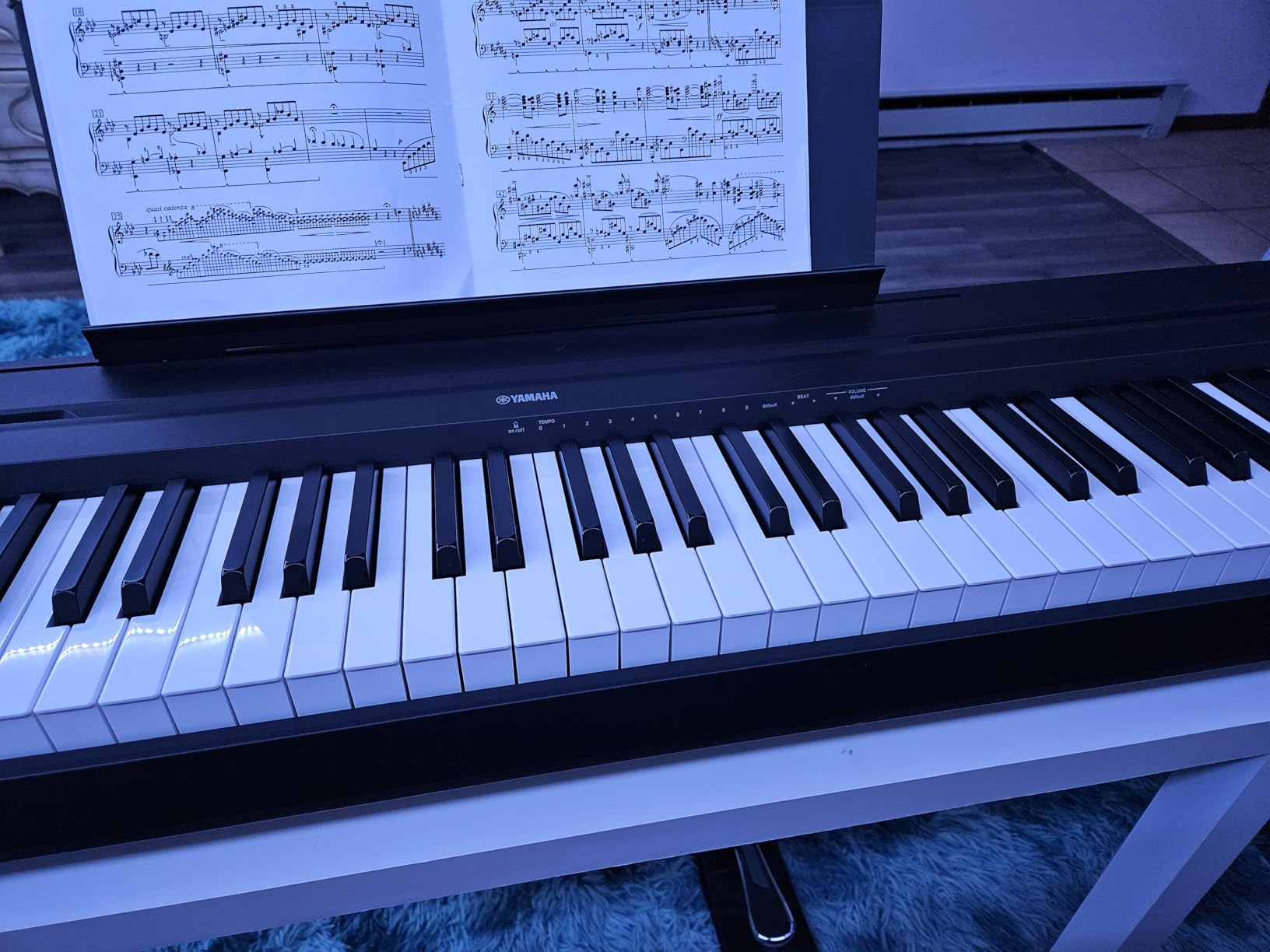
Why it works for a student studying Bach and Mozart
Both composers reward evenness and touch control, which means a student needs to be able to play softly without the note disappearing. The P-71’s graded action and touch sensitivity let a beginner practise the difference between a mezzo-piano and a piano long before they have the wrist technique to do it acoustically.
The simplicity helps too. One-button operation means a seven-year-old can sit down and play without a parent working through a menu first, which removes a real barrier to daily practice.
Where it falls short
The top two octaves are audibly thinner than the bass, so a student working on Chopin etudes will notice the difference between what the speakers give and what a live grand would give. If your practice is mostly through headphones this matters much less.
The included sustain pedal is light and can shift position underfoot during a soft passage. Spending a little more on a sturdier pedal solves it, and it is a five-minute swap rather than a return.
2. Donner DEP-20: More Hardware Per Dollar Than Anything Else Here
Donner DEP-20 Beginner Digital Piano 88 Key Full Size Weighted Keyboard, Portable Electric Piano with Sustain Pedal, Power Supply
88 full weighted hammer action
238 tones
128-note polyphony
Two 25W amplifiers
11.6 kg
Pros
- Full 88-key hammer action at an accessible price
- 238 tones with 128-note polyphony
- Sheet music stand and sustain pedal included
- Backlit LCD aids learning chords
Cons
- Tone library leans toward general keyboard use
- Panel feels busy beside simpler studio instruments
- Lightweight body is not ideal on a tall stand
The DEP-20 exists to answer one question: how much instrument can you get for very little money? The answer is more than you would expect. You get 88 full-size weighted hammer-action keys with adjustable touch response, 238 tones, 128-note polyphony, dual 25-watt amplifiers, a recording mode, MIDI, and an MP3 player.
For a classical student the spec sheet matters less than the thing nobody puts on a spec sheet, and that is why this model carries a 4.6 average across 2358 ratings. Owners talk about the value and the included stand and pedal far more than they talk about tone authenticity.
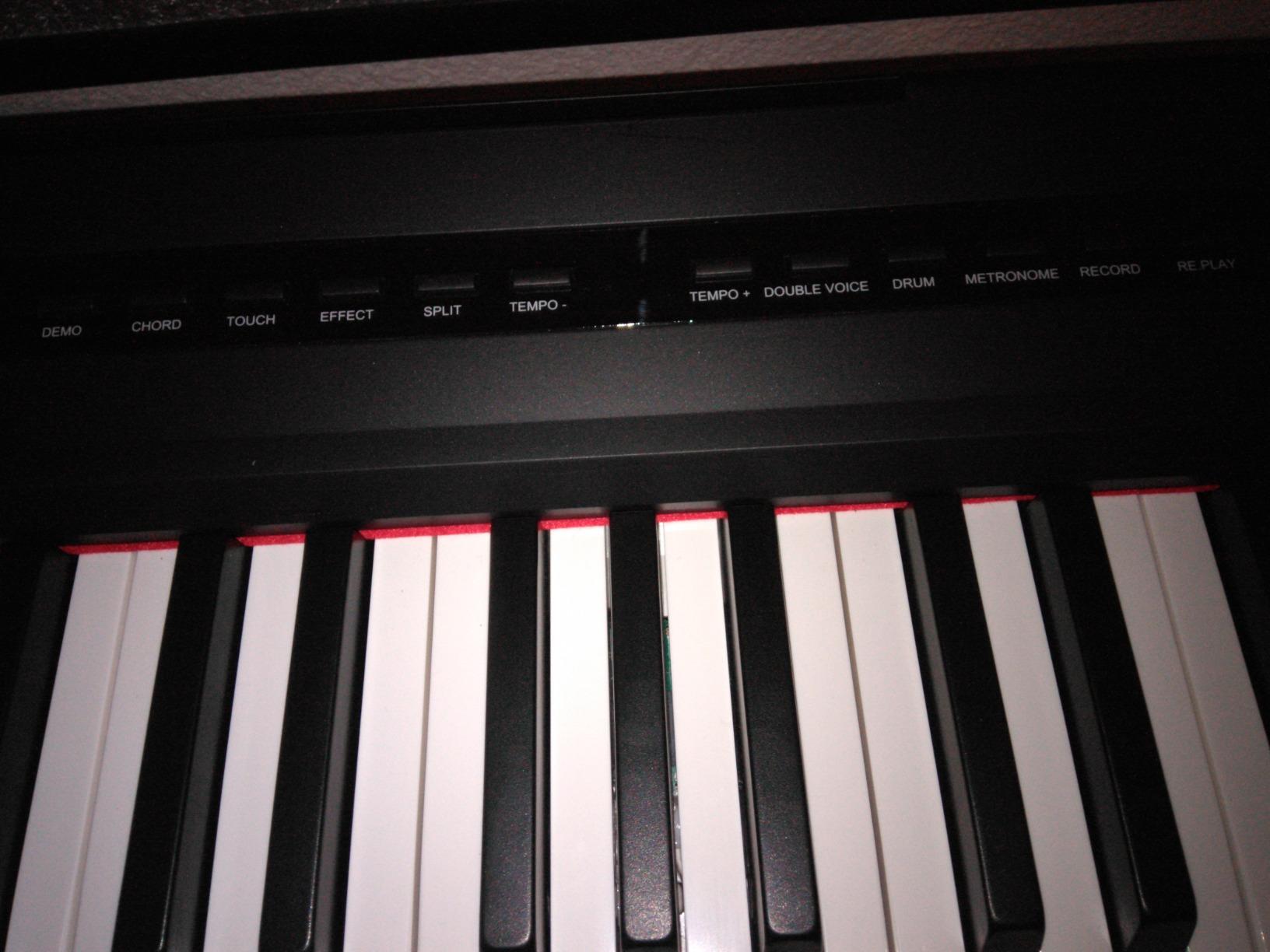
Where it earns its keep is polyphony. 128 notes is enough that a thick four-hand passage or a dense Chopin texture will not drop notes, and that is a genuine classical requirement. Several more expensive slabs in this roundup manage only 64 notes, which is thin.
The backlit LCD with chord names and notation display is not a teaching system, but for a student two years into lessons it is a useful confirmation that they have read the notes correctly. The dual keyboard layout gives access to sounds without leaving the keys.
Good for a first instrument in a tight budget
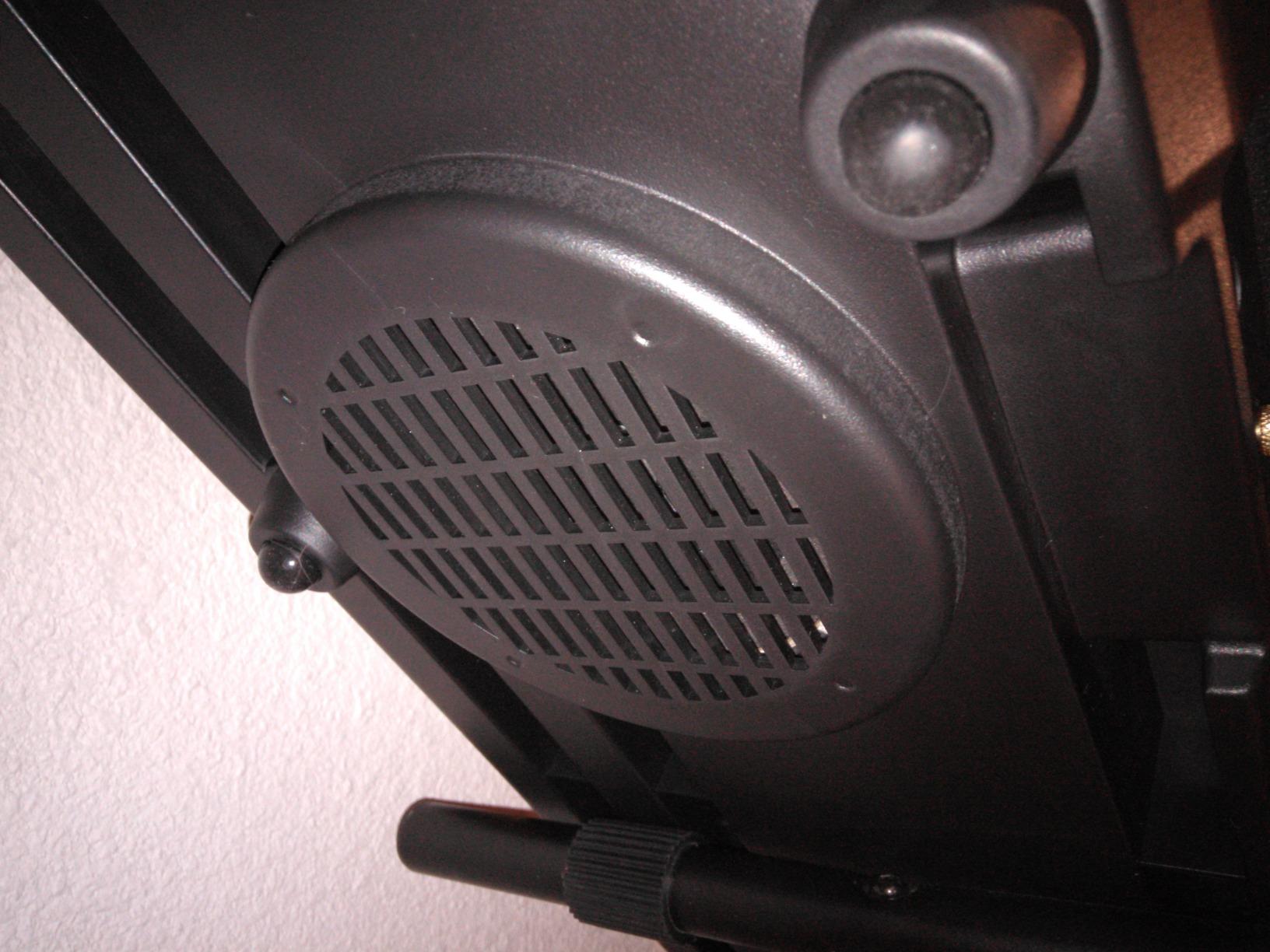
If the family budget is the binding constraint, this gets a student onto real weighted keys immediately rather than saving for a year and losing the habit. The keys are genuinely weighted and touch sensitive, which is the thing that cannot be compromised.
Owners frequently note that the sheet music stand and sustain pedal are included, which removes two purchases most families forget and end up paying for separately.
Where the compromises show
The tone library is aimed at general keyboard use rather than pure piano tone. A classical student who compares it side by side with a Yamaha or Roland will hear the difference in string detail, though it will not stop them learning repertoire.
At 11.6 kg the body is light for a slab piano, so it needs a stable stand rather than a light X-frame. Play it on a proper stand at correct height; the difference in posture for a young player is large.
3. Yamaha P-45: The Same Graded Action in a Simpler Frame
Yamaha 88-Key Weighted Portable Digital Piano Keyboard with Music Rest, Sustain Foot Switch, Built-in Speakers, USB Connectivity, Black (P45B)
GHA graded hammer action
88 keys
64-note polyphony
10 voices
11.5 kg
Pros
- Graded hammer action gives acoustic-like touch
- Yamaha grand voice with deep bass
- Very simple panel beginners learn fast
- Compact and easy to move between rooms
Cons
- No Bluetooth and basic features by current standards
- Keys can develop soft mechanical clicking after years
- String and non-piano voices are unimpressive
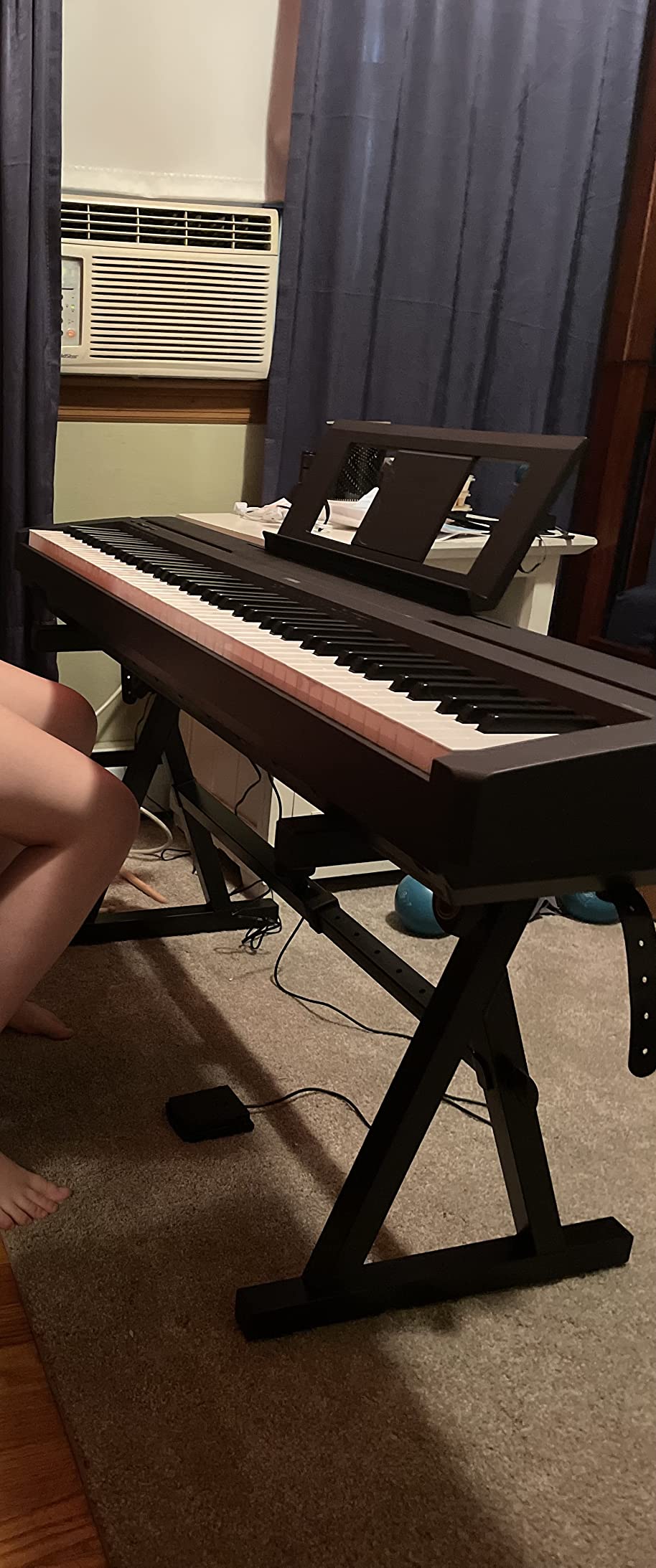
The P-45 is the same idea as the P-71 in a slightly different package, and for a student who will move rooms, go to university in a car, or practice in a bedroom, that difference is worth thinking about. At 11.5 kg it is half the weight of most furniture cabinets and about half the weight of the DGX-670.
Reviewers with decades of playing experience call the action among the best Yamaha has built, which is high praise for an entry model. The GHA graded hammer action holds up on slow contrapuntal playing, which is exactly where cheaper actions fall apart.
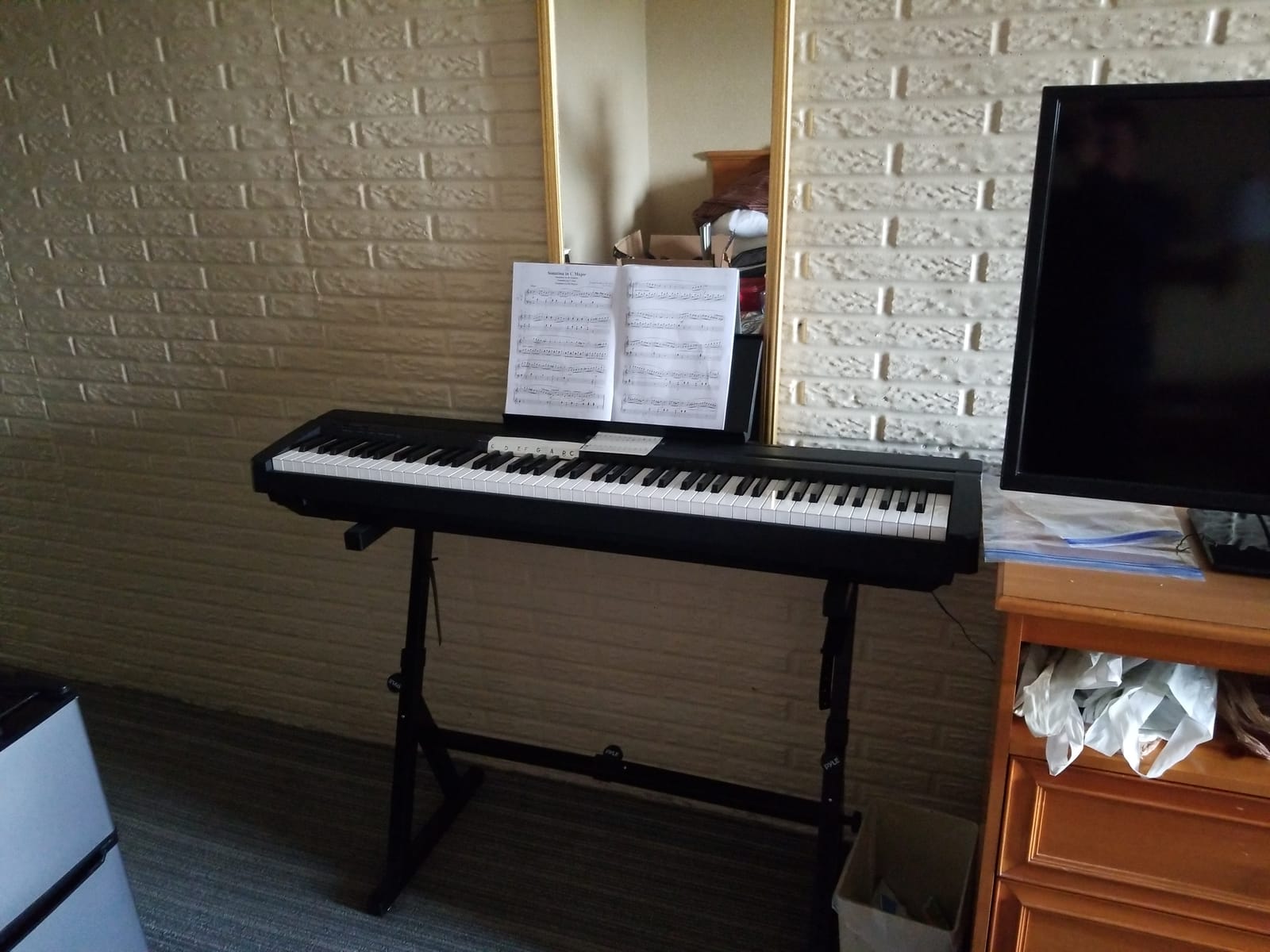
Owners highlight two things: the Yamaha grand voice has genuine bass depth, and the panel is simple enough that a beginner can operate it without instruction. For a child who sits down alone for thirty minutes a day, that simplicity is not a minor feature.
The durability note is worth stating plainly. Long-term owners mention gradual softening of the key action and a faint mechanical click appearing around the four-year mark. It does not stop the instrument working, and at 1751 ratings averaging 4.7 the overall satisfaction level stays high.
Best when the instrument has to move
Dorm rooms, rented flats, and a student who might change city twice during a degree all favour a light slab. Two people can carry the P-45 between them, which matters more than any feature on the panel.
It also sits low, which suits a younger student better than a full-height console. Shorter arms, lower elbows, less shoulder tension.
Where it falls short
64-note polyphony is the weakest point. It handles most classical repertoire comfortably, but a thick passage with a lot of sustained pedal overlap can thin out, and a student preparing Chopin will notice before a beginner does.
There is no Bluetooth and no MIDI velocity worth relying on. If your study plan includes recording practice takes with an app, this is the wrong instrument.
4. Roland FP-10: The Touch Favourites Argue About
Roland FP-10 Compact 88-Note Digital Piano
88-note Authentic Acoustic Feel keys
SuperNATURAL engine
Bluetooth and USB
27 pounds
Pros
- Authentic acoustic-feel 88-note keyboard with ivory feel
- SuperNATURAL engine is responsive and natural
- Quiet action suits late practice with headphones
- Twin Piano mode works well for lessons
Cons
- Onboard speakers are modest against the FP-30X
- No key-lighting or lesson features
- Three pedal unit sold separately
The FP-10 is the one model in this list that experienced players bring up first when key feel is discussed. Its 88-note Authentic Acoustic Feel keyboard has ivory-feel keytops, and reviewers consistently put touch and tone above feature count, which tells you what the buying public actually values.
It also has Bluetooth alongside a built-in MIDI and USB MIDI interface for DAW use. A student using a learning app or recording practice takes gets a real benefit here rather than a checkbox.
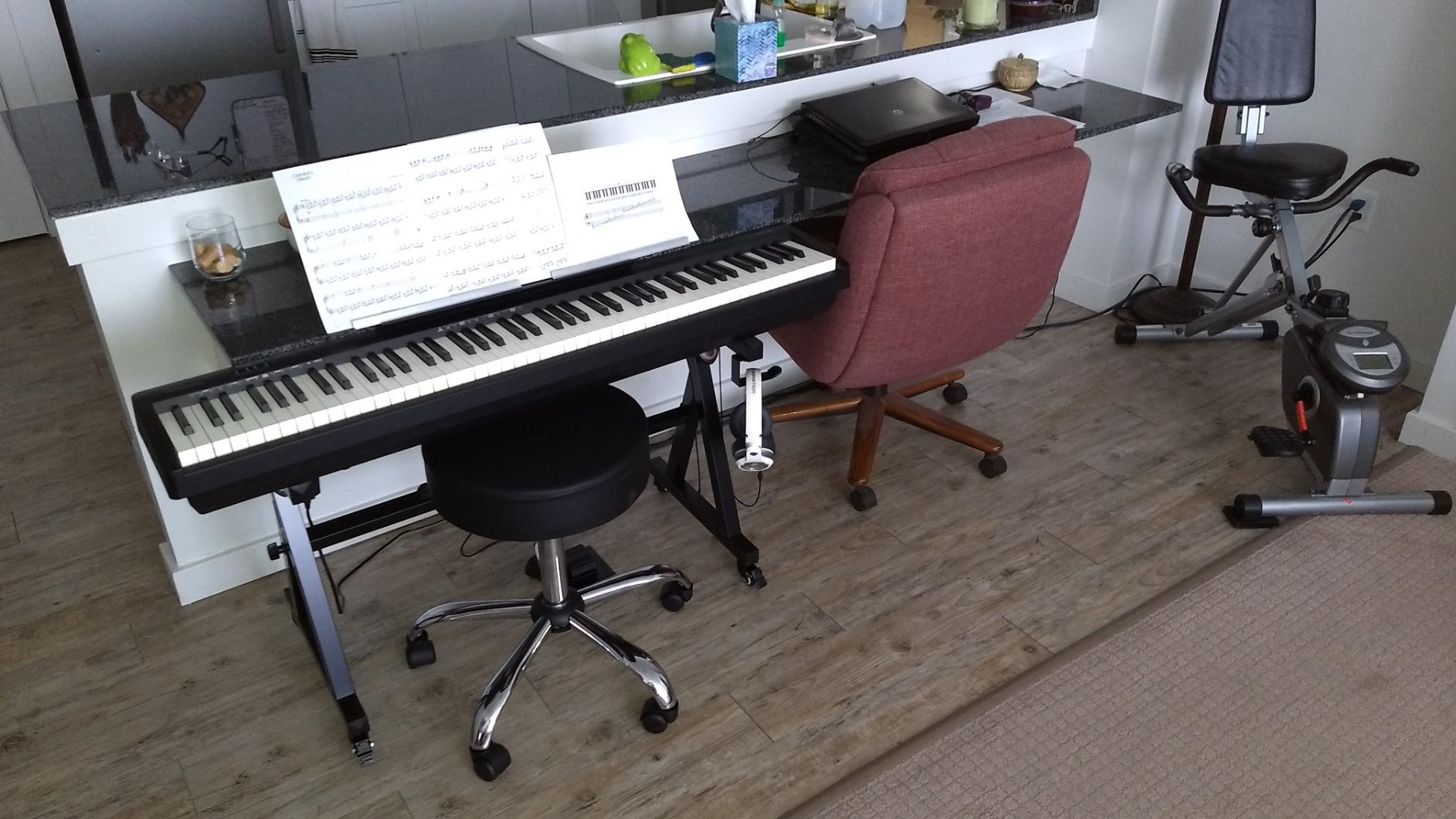
Twin Piano mode splits the keyboard for two players, which sounds like a gimmick until you have taught a lesson across a single instrument. It also means a teacher and a student can practise the same piece together without a second piano in the room.
The action is quiet enough that a student can practise late at night on headphones without the key noise that heavier actions produce. For students in flats with thin walls, that is not a small feature.
Why classically trained players like it
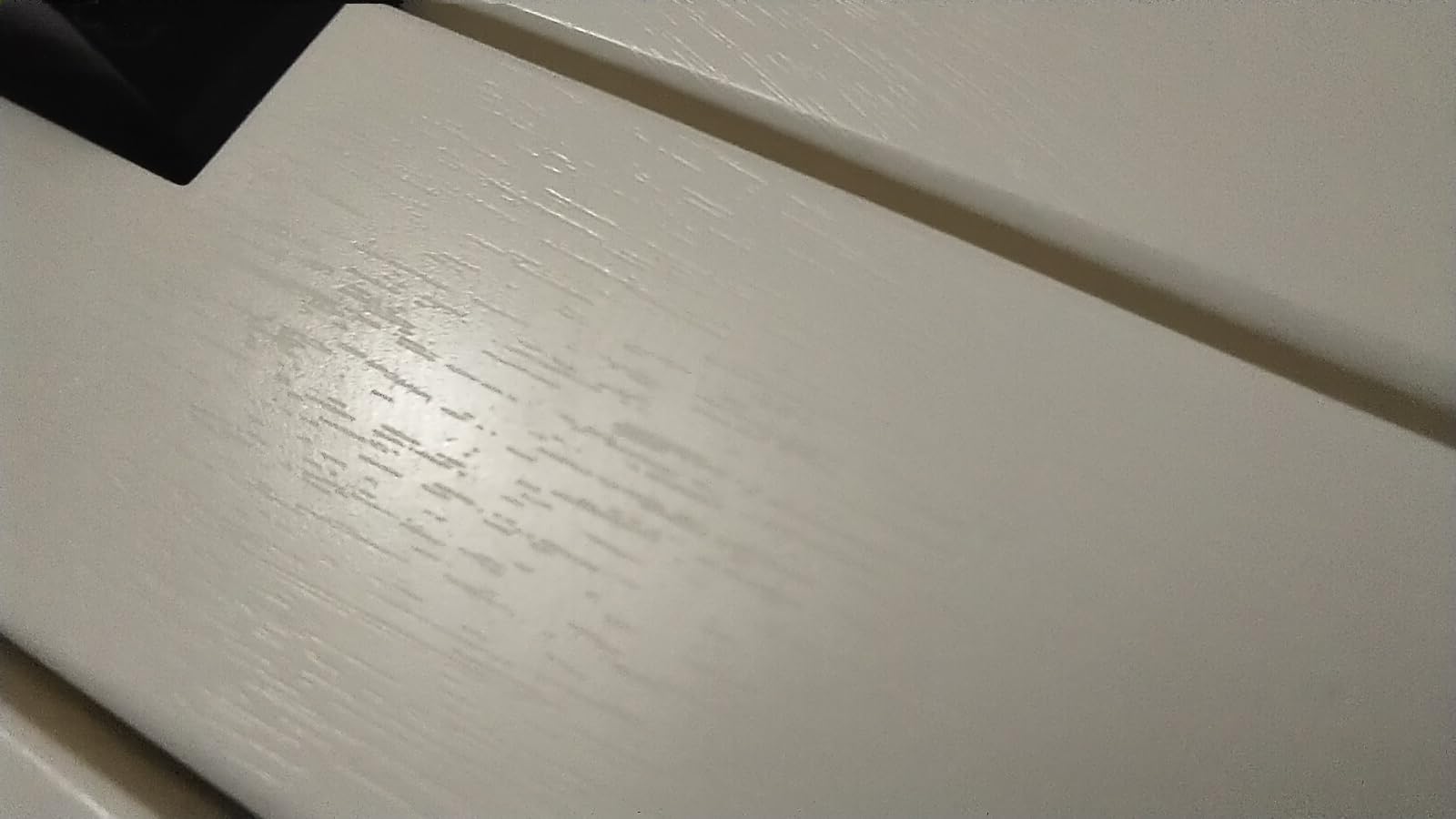
The feel of the key through the full dynamic range is the reason. The ivory-feel surface gives grip without the stickiness that sweaty fingers create on cheap keytops, and the let-off point lets a student play a clean staccato without smearing it.
The SuperNATURAL engine responds quickly to changes in velocity, which is what makes a crescendo sound like a crescendo rather than a volume knob being turned.
Where it falls short
The onboard speakers are modest. A student who wants to play along with a track or sing over the piano will be disappointed, and this is the main reason to step up to the FP-30X instead.
There is no three-pedal unit included, so sostenuto and soft pedal work, which advanced classical study eventually needs, requires a separate purchase.
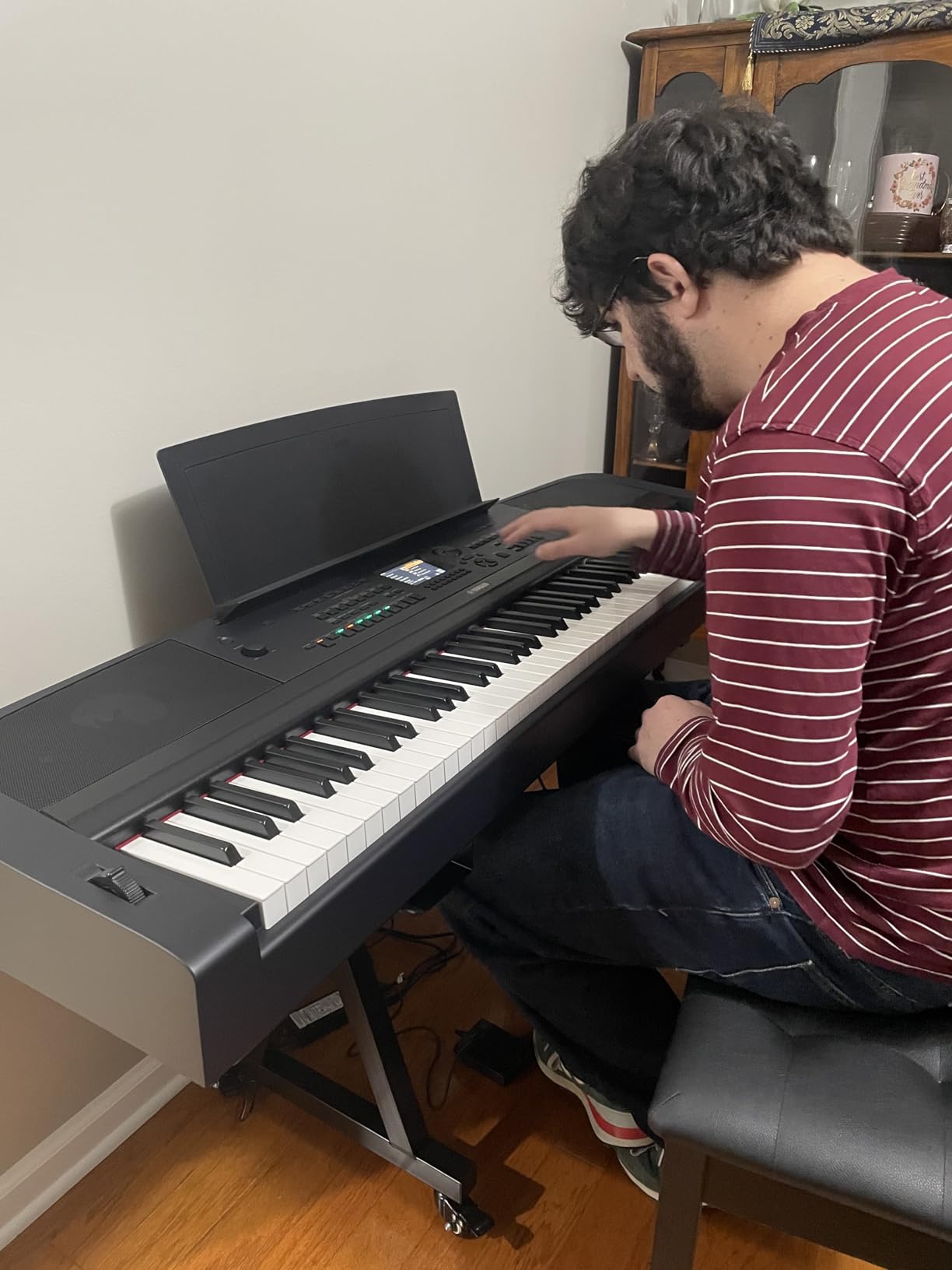
5. Yamaha DGX-670: The Best Sound in the Roundup
Yamaha DGX-670B 88-Key Weighted Digital Piano, Black
CFX grand piano sampling
Graded hammer weighted action
630 voices
Bluetooth audio and MIDI
67.7 pounds
Pros
- CFX grand sampling with natural resonance and rich tone
- Graded action heavier in the bass like an acoustic
- 630 voices and 263 accompaniment styles
- Bluetooth and microphone input
Cons
- Heavier and bulkier than entry-level slabs
- Stand and bench sold separately
- Loud action is difficult in a shared flat
The DGX-670 has the highest average rating in this roundup at 4.8, and the reason is the sound. It uses CFX stereo sampling of Yamaha’s concert grand, which captures the sympathetic resonance and string detail that sampled voices in cheaper instruments leave out. Play a Chopin Nocturne on it through headphones and the difference against a slab piano is not subtle.
For a classical student the graded hammer action matters as much as the tone. Reviewers describe it as heavier in the bass and lighter in the treble, which is the correct acoustic balance, and they treat this as a long-term home instrument rather than a starter.
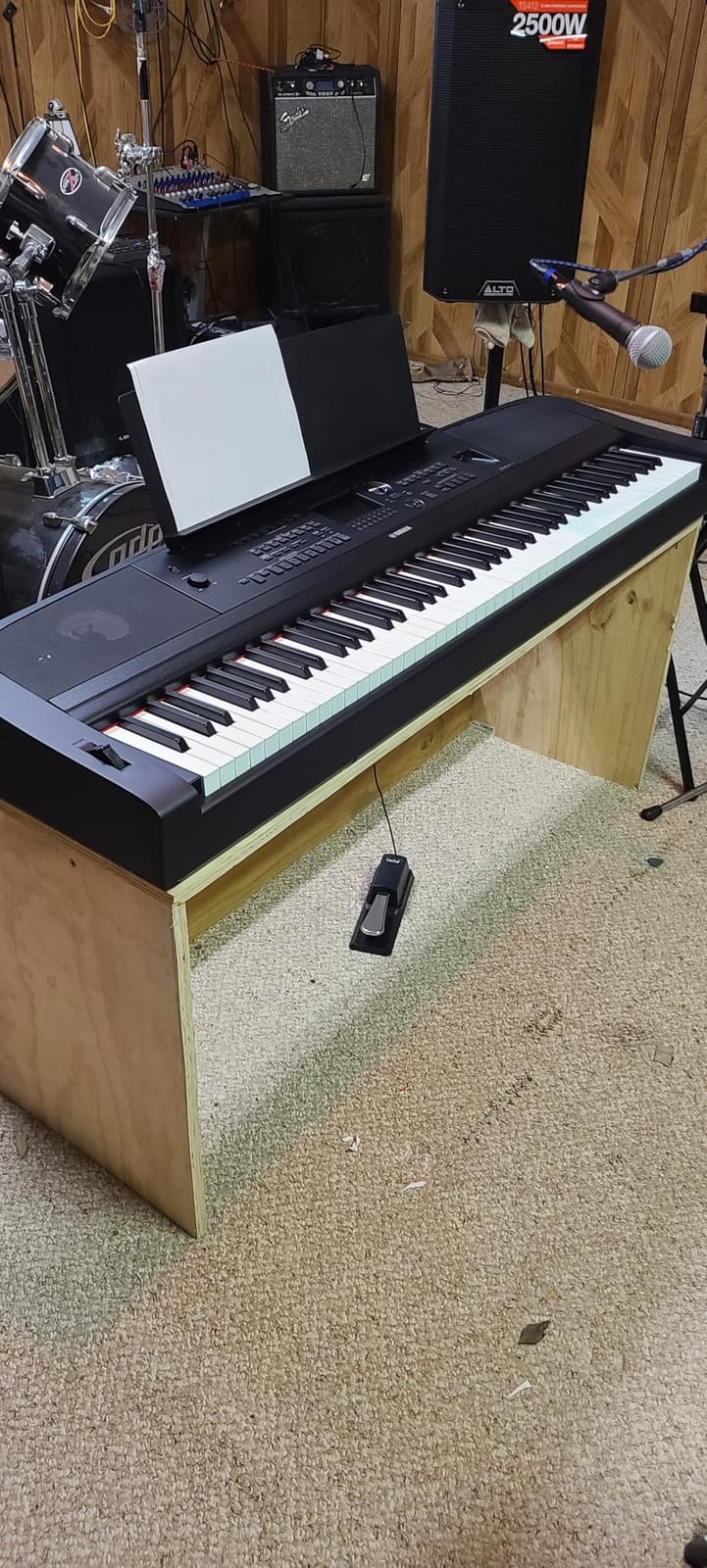
There is a lot here that a student will never use. 630 voices, 263 accompaniment styles with adaptive response, a score display with a built-in song library, Bluetooth audio and MIDI, and a microphone input with vocal effects. Some of that is aimed at pop players, but the score display and learning library have real value in a structured practice routine.
The FC5 sustain pedal is included, which matters because it is a proper pedal rather than a thin switch.
Best for an advanced student working toward an audition
A student preparing for a conservatory or university audition will be judged partly on tone, and the CFX sampling is the closest any instrument here gets to a concert grand in a home. Resonance and release behaviour are both present.
It also gives an advanced student room to grow: polyphony and voice count mean nothing chokes when the repertoire gets thick.
Where it falls short
At 67.7 pounds and 66 by 18 by 8 inches it is a genuinely large instrument to move. Two people and a car boot, not one person and a set of stairs.
You still need a stand and a bench, so budget for those. The action is also loud, which makes it a poor choice for a student practising in a small flat at midnight.
6. Donner DDP-80: Three Pedals and a Furniture Cabinet
Donner DDP-80 Digital Piano 88 Key Weighted Keyboard, Full-size Electric Piano for Beginners, with Sheet Music Stand, Triple Pedal, Power Adapter, Supports USB-MIDI Connecting, Retro Wood Color
Heavy hammer action 88 keys
Triple pedal unit
128-note polyphony
2x25W speakers
21.3 kg
Pros
- Exceptionally heavy responsive weighted keys with wide dynamic range
- Warm rich tone several players prefer
- Triple pedal works well for legato and phrasing
- Wood cabinet looks like a real upright
Cons
- Only one piano tone with no organ or synth sounds
- Mids can sound muddy against a bright acoustic
- A minority report sound output loss after months
The DDP-80 is unusual in this roundup because it includes a genuine three-pedal unit as standard: sustain, sostenuto and soft. Classical students reach for the sostenuto pedal sooner than most buying guides admit, because holding a bass note while the harmony above changes cleanly is a skill in the Bach and Beethoven repertoire, not an advanced luxury.
Owners rate the key weight and dynamic response very highly, and several compare it favourably to more expensive consoles. That is not hype about the price. It is a genuinely heavy hammer action that gives a wide dynamic range.
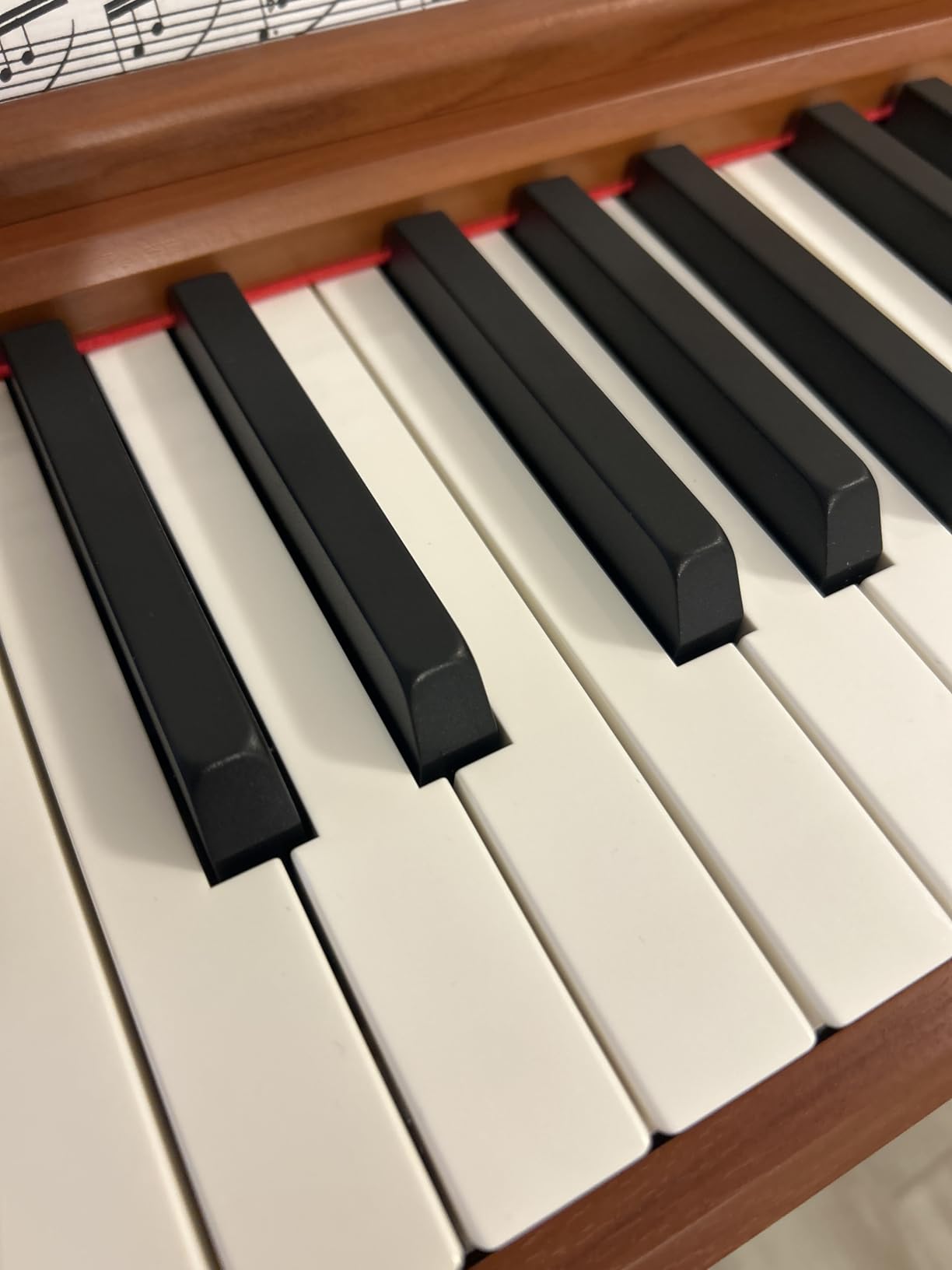
The wood-finish cabinet changes how the instrument sits in a home. It looks like an upright rather than a piece of studio equipment, which matters when a teenager has to live in the same room as it. Assembly is quick and the legs are metal-framed.
USB-MIDI connects to teaching apps and DAW recording, and the French DREAM sound source carries 128-note polyphony, which is comfortable for dense classical textures.
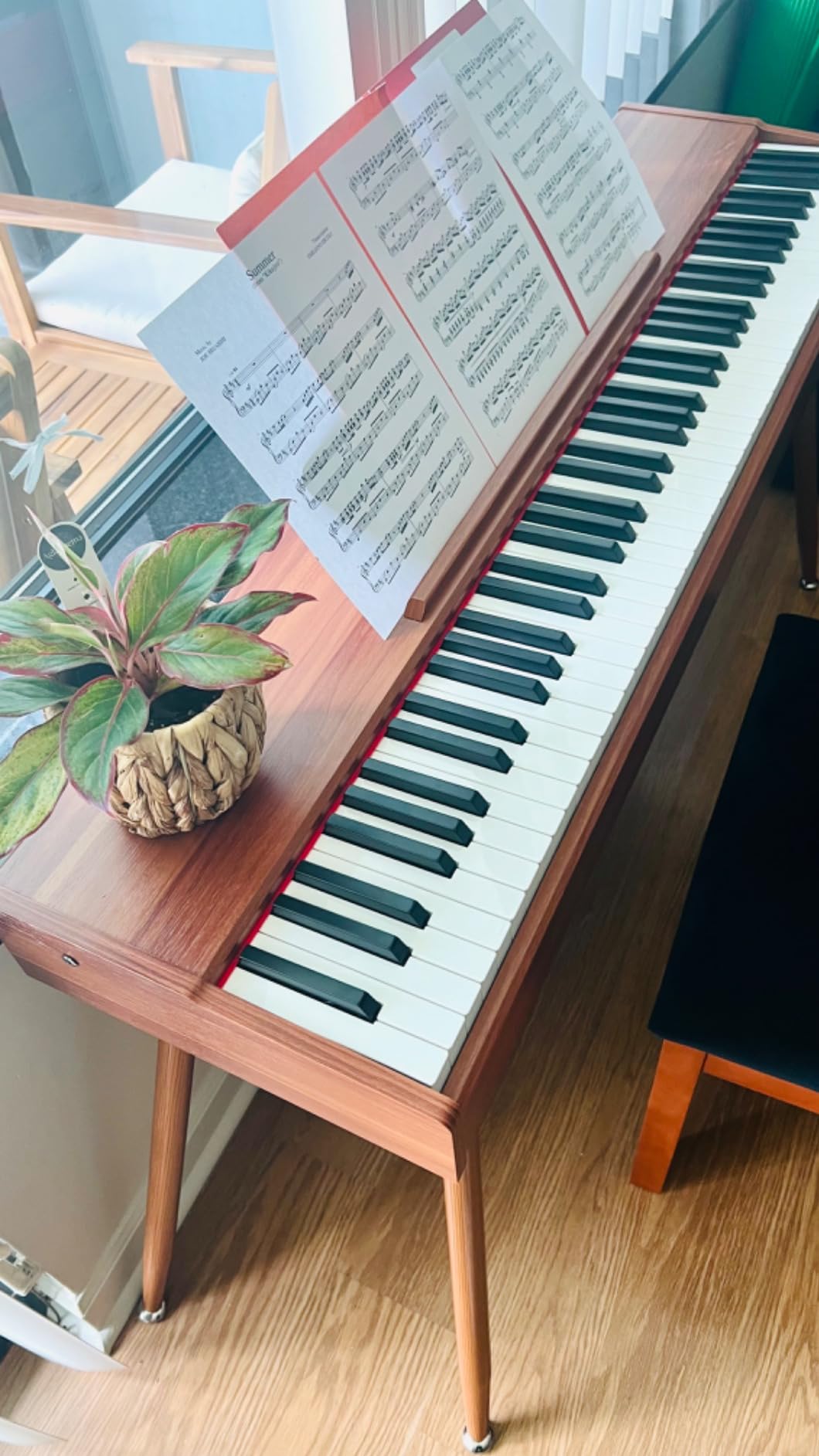
Best for legato and phrasing work
With all three pedals present, a teacher can actually assign pedal technique exercises. Sustained legato lines in Bach, controlled crescendos in Beethoven, and soft pedal shading in Romantic repertoire all become available, and the soft pedal is the one students never get on a two-pedal instrument.
The 2x25W stereo surround speakers are strong enough to fill a room, which the slimmer models struggle to do.
Where it falls short
Only one piano tone is available. There are no synth or organ sounds, which is honest for a classical student but frustrates anyone who wants to play other music on the same instrument.
A minority of owners report losing sound output after several months, so keep the receipt and check the warranty terms, which run 24 months. The mids can also sound slightly muddy compared with a bright acoustic.
7. Donner OURA S100: The Compact One for Small Rooms
Donner OURA S100 Digital Piano with 88 Key Graded Hammer Weighted Keyboard for Beginner, Full Size Electric Piano Keyboard with Bluetooth, 3 Original Demos, LOCAL OFF, 2×10 W, Piano Three Pedal, Black
88-key graded hammer action
Three-pedal unit
Bluetooth audio and MIDI
2x10W speakers
21.1 kg
Pros
- Pleasant weighted keys easier on small hands than heavier actions
- Scandinavian minimalist cabinet fits small rooms
- Bluetooth audio and MIDI for apps and streaming
- Quick four-leg assembly and easy to move
Cons
- Onboard speakers sound thin versus headphones
- Key action and sample depth are entry-level
- A few buyers report a rough spot on one key
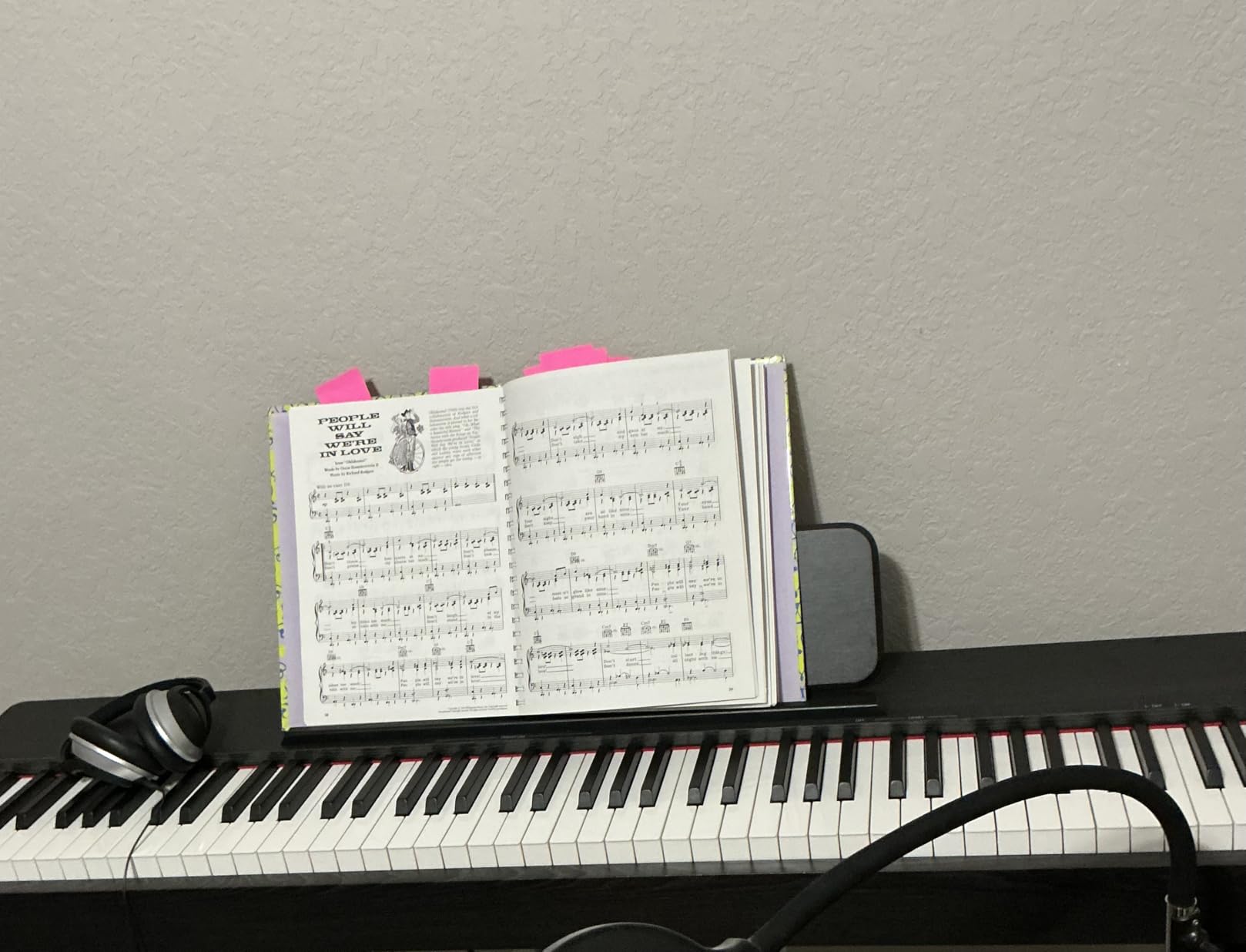
The OURA S100 is built around a specific problem: a family with one small room, and a student who needs real weighted keys without the instrument taking over the space. At 50.79 by 14.92 by 35.71 inches with a Scandinavian minimalist cabinet, it is the least furniture-heavy option here that still has a three-pedal unit.
Owners returning to piano as adults single out the key action as gentler on small hands than heavier actions. That is a real consideration for a student under about eleven whose fingers tire quickly on a stiff keybed.
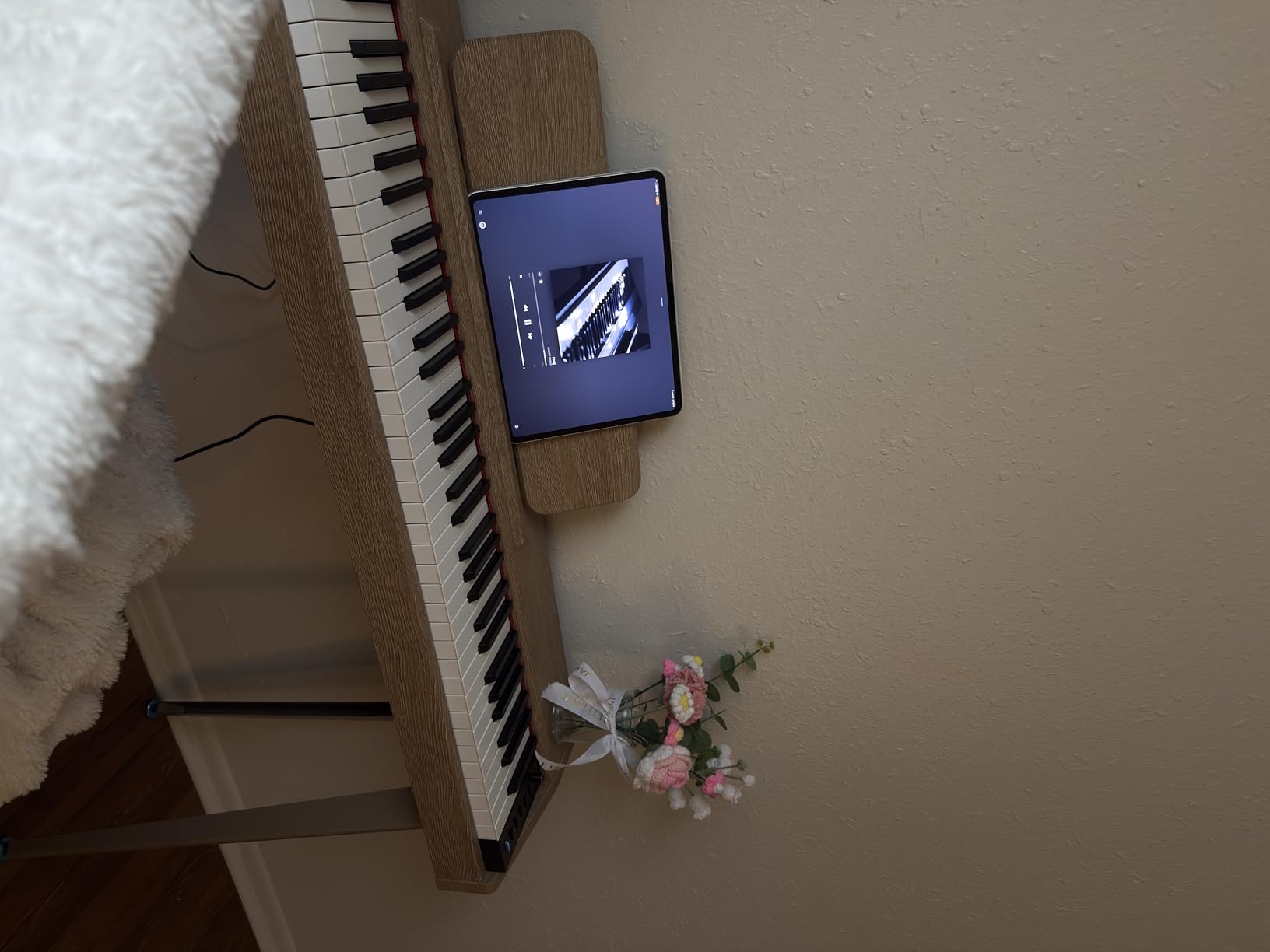
The three-pedal configuration at this size is unusual and useful. Dual-mode Bluetooth handles both MIDI to an app and audio streaming from a phone, so a student can use a learning app and play along with recorded accompaniment without cables.
Three original demo tracks are built in, which gives a brand-new student something to listen to on day one rather than only their own playing.
Best when space and noise both matter
The cabinet footprint and the relatively light action make this a sensible instrument for a bedroom practice space where a heavier hammer-action piano would be unsociable. Setup is a four-leg assembly and the whole thing moves between homes.
For a young student practising twenty to thirty minutes a day in a small room, ease of use matters more than refinement.
Where it falls short
The 2x10W speakers are thin. Reviewers repeatedly say the sound improves markedly with headphones, which is fine for practice but means playing along with anything is not a realistic use case.
The key action and sample depth are entry-level next to a Roland FP-10. A student who is already working on graded repertoire will outgrow the touch faster than the cabinet.
8. Roland FP-30X: Better Speakers, Same Excellent Touch
Roland FP-30X 88-Note Digital Piano, Black
PHA-4 88-note ivory-feel keyboard
22-watt stereo speakers
Bluetooth audio and MIDI
32.7 pounds
Pros
- PHA-4 ivory-feel keyboard delivers convincing acoustic touch
- Upgraded 22-watt speakers are loud and clear for a slim cabinet
- Broad onboard sound set covers electric pianos and organs
- Bluetooth MIDI and audio for lessons and streaming
Cons
- Bluetooth headphones are not supported
- Heavier than the FP-10 it replaces
- No three-pedal unit in the box
The FP-30X is the sweet spot of Roland’s FP-X line, and owners describe it exactly that way: better speakers and more headroom than the FP-10 at a moderate step up. If you were considering the FP-10 and your student will practise with other music or sing along, this is the one.
The PHA-4 Standard 88-note keyboard with ivory-feel keys carries over the touch that made the FP-10 popular. That is the part that matters for classical technique, and reviewers consistently stress the combination of realistic touch and room-filling sound as the reason to step up.
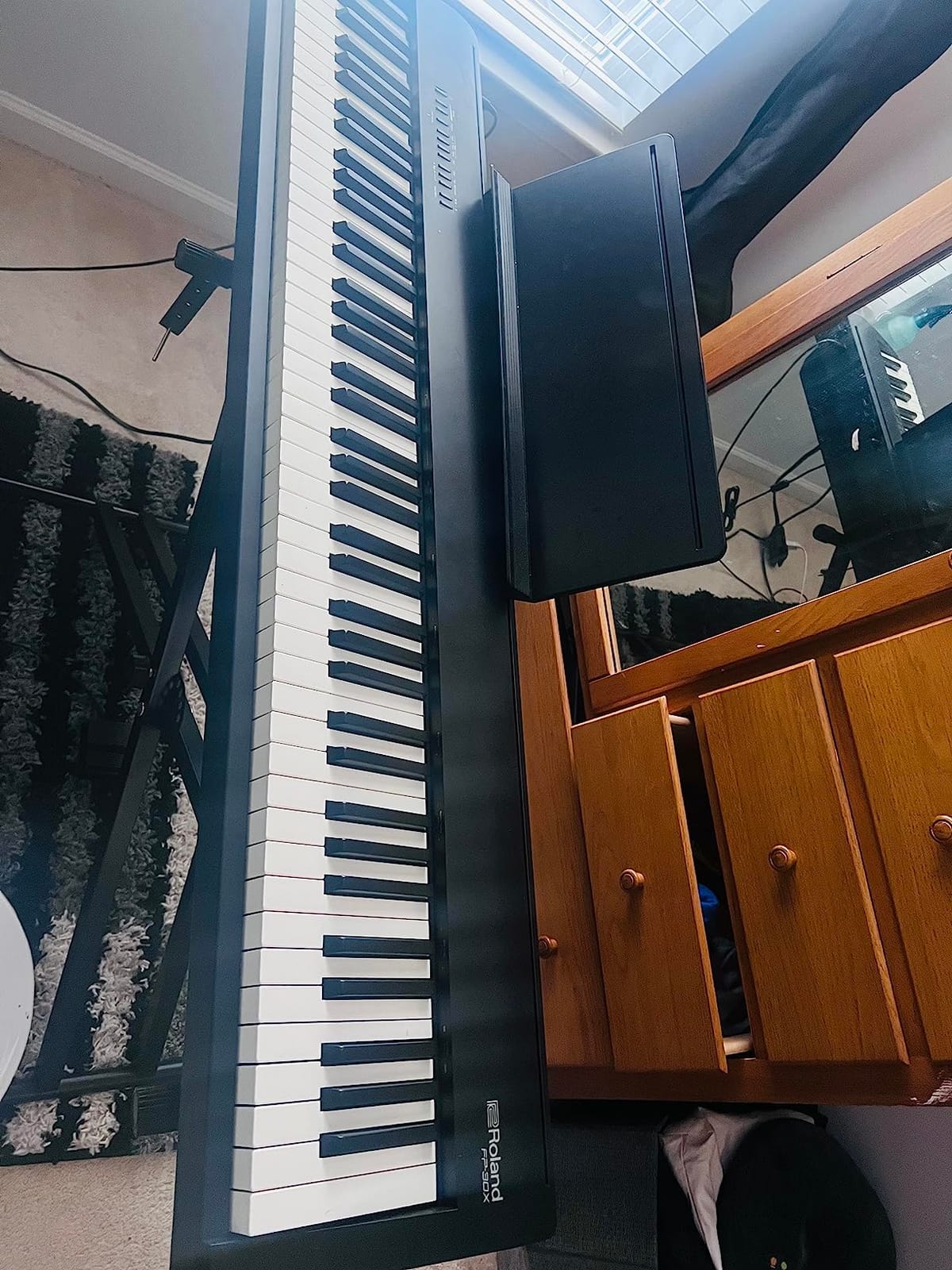
Bluetooth audio and MIDI both work, plus the Piano Partner 2 app. There is also a desktop optimisation setting that shifts the instrument’s character toward a stand-alone piano when it is placed away from a wall, which is a small detail that makes a big difference to the sound.
The broader onboard sound set, covering electric pianos, organs, strings and synths, gives a student somewhere to go when they want to play pop arrangements without buying a second instrument.

Best for practising with music rather than alone
Twenty-two watts from a slim cabinet is enough to fill a bedroom and be heard over a metronome. A student using an app or backing tracks needs that, and the FP-10’s modest speakers do not deliver it.
It stays reasonably portable at 32.7 pounds, so a student moving to university can manage it with help.
Where it falls short
Bluetooth headphones are not supported, which is an odd gap given the headphone-heavy practice habits of most students. Use a wired pair.
There is no three-pedal unit included, so sostenuto and soft pedal work still needs a separate purchase, and it is heavier than the FP-10 it replaces.
9. Roland FP-40: The Ready-to-Play Bundle
Roland FP-40 88-Key Digital Piano – Black
PHA-4 hammer action with escapement
Bluetooth audio and MIDI
USB-C
Stand bench and pedal included
Pros
- PHA-4 hammer action with escapement for authentic touch
- Newly engineered speakers give rich room-filling sound
- Bundle includes stand bench and sustain pedal
- Piano Sphere app supports lessons and practice tracking
- Three-year limited warranty
Cons
- Bundled accessories add bulk versus buying the piano alone
- Bluetooth headphone support remains limited
- Heavier body at 45.4 pounds
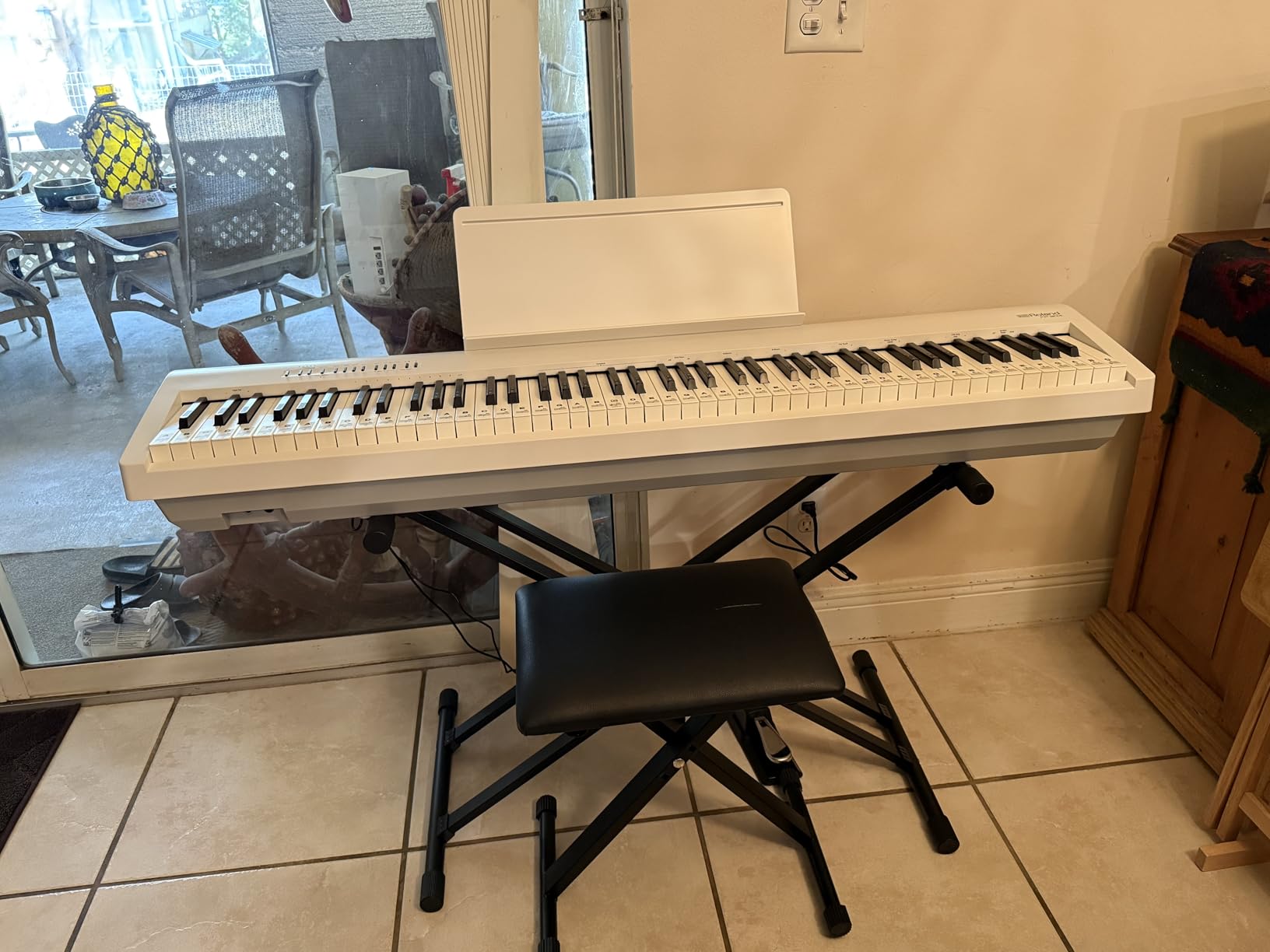
The FP-40 is sold as a complete package: digital piano, adjustable stand, bench, sustain pedal, and a polishing cloth. For a family that wants to play on day one without a second shopping trip, that is the argument, and buyers describe it as a ready-to-play setup.
The instrument itself is serious. PHA-4 hammer action with escapement simulation gives a genuine let-off point, which means a student can shape a staccato note without the note continuing past the release. That single feature changes legato and staccato work more than any sound improvement.
Piano Sphere adds structured lessons and practice tracking with streaks, which is useful for a student who needs external motivation. Bluetooth audio and MIDI, USB-C and USB audio give more connection options than most instruments at this level.
The three-year limited warranty is the longest in this roundup, and for a four-to-eight year study horizon that matters. Yamaha’s older entries do not carry an equivalent term on the listing.
Best for a student who starts today
A child who opens the box and finds a stand, a bench and a pedal will practise on day one. Families who buy the bare instrument often lose two weeks waiting for a delivery that was sold separately.
Escapement makes this the strongest choice here for a student whose teacher is strict about articulation.
Where it falls short
The bundled accessories add bulk. If you already own a stand and bench, you are paying for two things you do not need, and the accessories are not the reason to buy an instrument.
Ratings sit slightly below the FP-30X because of price and bundle considerations rather than instrument quality. Bluetooth headphone support is still limited, and at 45.4 pounds it needs two people to move.
10. STRICH SDP-400: The Complete Furniture Setup
STRICH 88 Keys Digital Piano, Hammer-Action Fully Weighted Keyboard, Cover Designed Electric Piano Keyboard with Furniture Stand, Headphones, Three Pedal, Brown, SDP-400
88 fully weighted hammer-action keys
Furniture stand headphones and three pedals
Wireless audio and MIDI
Pros
- Weighted hammer-action keys with natural dynamic response
- Furniture stand and three pedals give proper playing height
- Included headphones make quiet practice possible immediately
- Sliding key cover keeps keys free of dust
- Compact upright footprint fits apartments
Cons
- Tone list browsed chronologically so selection is slow
- Some find keys less responsive at soft dynamics
- Stand can feel thin under a heavy instrument
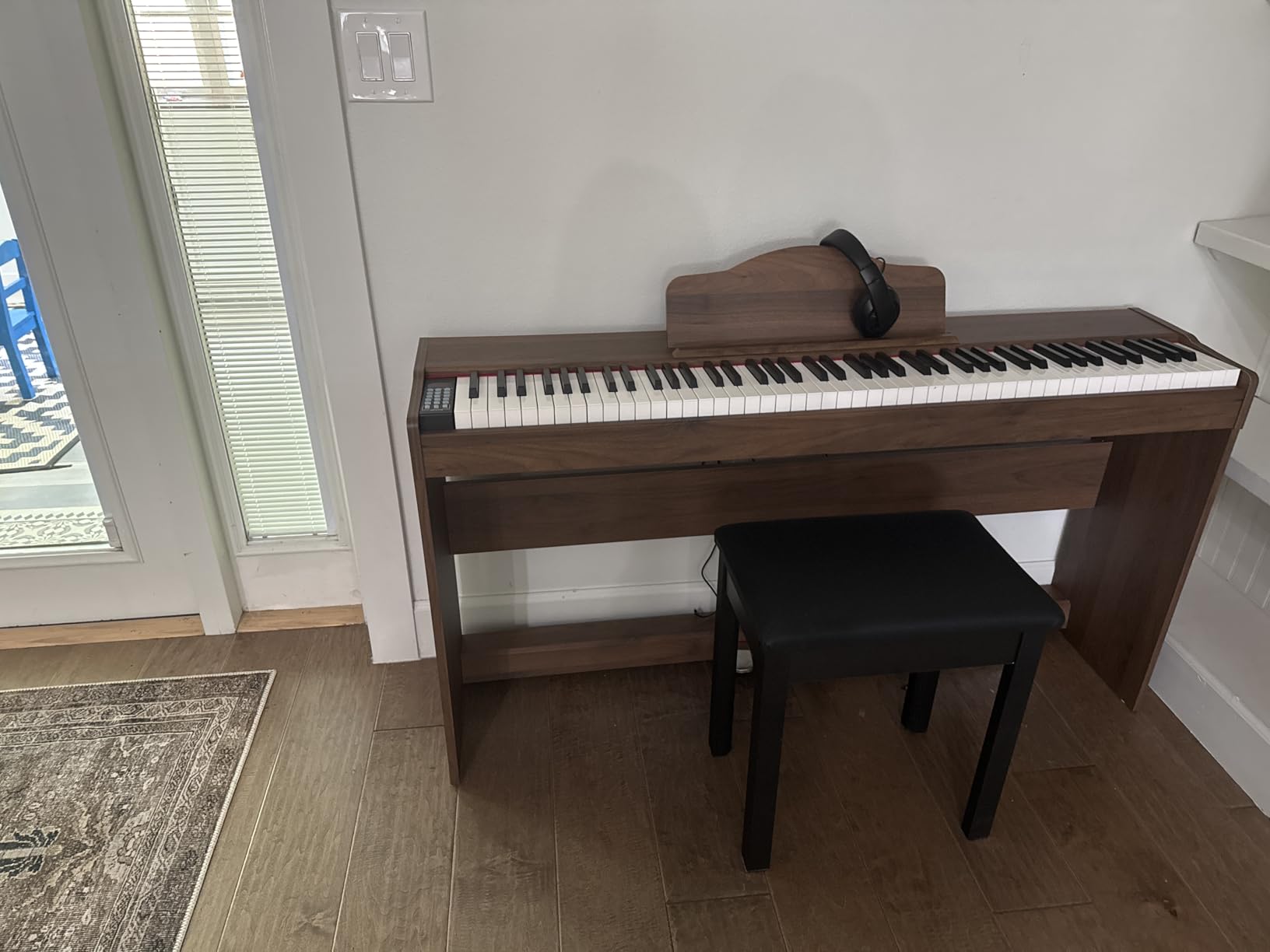
The SDP-400 answers the complaint we hear most often from parents who have already bought a slab keyboard: nobody includes the stand. This one comes with a furniture stand, a set of headphones and a three-pedal unit, so the student can practise quietly through headphones from the first evening.
Families and adult beginners rate it highly as a complete first weighted piano. The fully weighted hammer action gives a natural dynamic response, which is what a technique-focused student needs from day one.
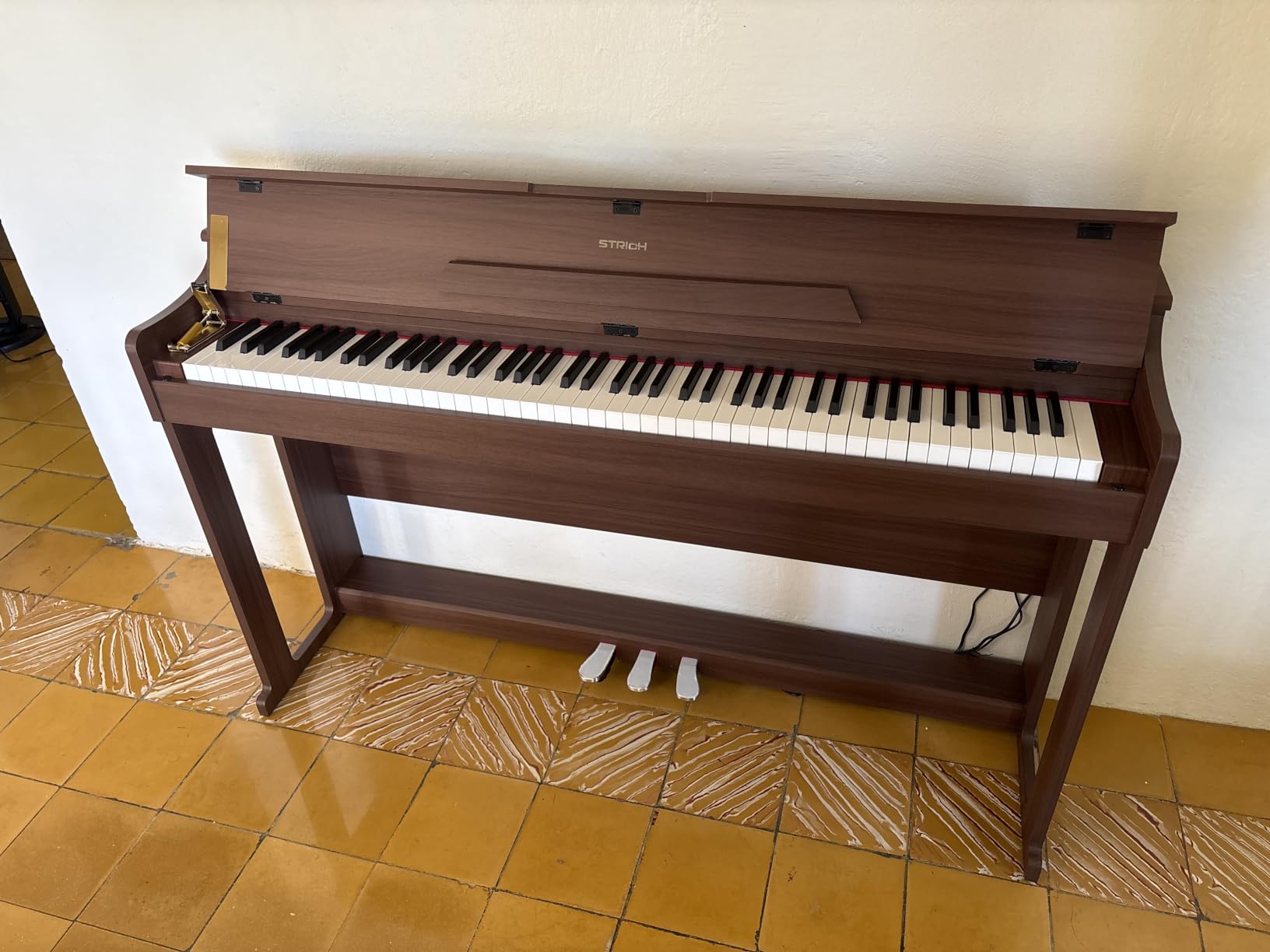
The upright furniture profile at 53.82 by 32.99 by 14.49 inches puts the keys at a proper playing height, which matters more than most buying guides admit. A portable digital piano balanced on a kitchen table puts the keys at the wrong height and teaches bad posture that can take years to undo.
The sliding soft-close key cover keeps dust out of the action. In a home where the piano doubles as a side table, that is the difference between a mechanism that still feels new in year four and one that does not.
Best for a bedroom practice setup
Headphones plus a three-pedal unit plus correct playing height in one package solves the three things that make home practice fail. A student in a shared household can practise late without keeping everyone awake.
The compact upright footprint suits apartments and studios where a slab on an X-frame would be unstable.
Where it falls short
The tone list is long and browsed chronologically, so finding a specific piano voice takes time. A student who wants a particular sound every session will find this irritating.
Some reviewers find the keys less responsive at the softest dynamics, and the stand can feel thin under the instrument. Test the stand’s wobble before committing.
11. UISCOM 1852: A Desk Piano That Converts
UISCOM 88 Key Weighted Home Digital Piano,Wooden Desk Keyboard,Triple-Pedal
Progressive hammer-action 88 keys
French Dream5704 sound chip
Triple pedal
MIDI in and out
Dual headphone jacks
Pros
- Bright responsive tone praised above same-price models
- Progressive hammer action with adjustable key sensitivity
- Triple pedal with sustain sostenuto and soft
- Converts between desk and vanity styles
- USB MP3 player and dual headphone jacks
Cons
- Only 8 tones available which is a narrow palette
- Wood-finish cabinet adds weight for its size
The UISCOM 1852 is the odd one out, and that is its appeal. It is a wooden desk digital piano with a progressive hammer-action weighted keyboard, a triple pedal with sustain, sostenuto and soft, and MIDI in and out, at a spend that sits at the lower end of every 88-key weighted instrument here.
Owners frequently compare its tone brightness and key responsiveness favourably to more expensive brands, and they mention the sliding key cover and compact furniture format as added benefits for home practice.
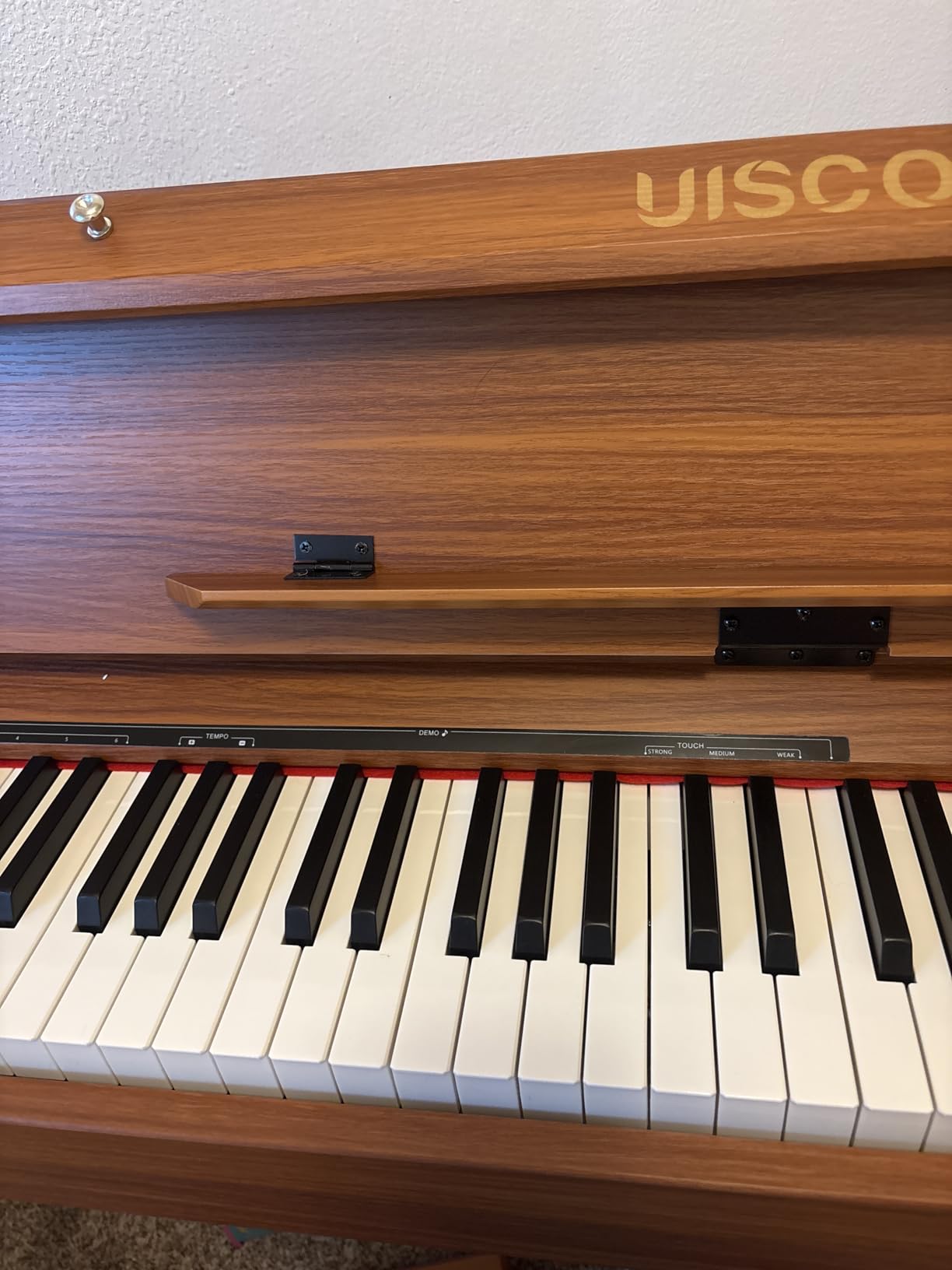
The UISCOM 1852 is the one to consider if your child has small hands. Adjustable key sensitivity is the feature to notice: a student can start on a lighter setting and increase it as their fingers strengthen, which is a genuine pedagogical tool rather than a gimmick.
The dual headphone jacks mean a teacher and a student can both practise on the same instrument at the same time with separate headphones, which is unusual at any price.
Best for a shared family instrument
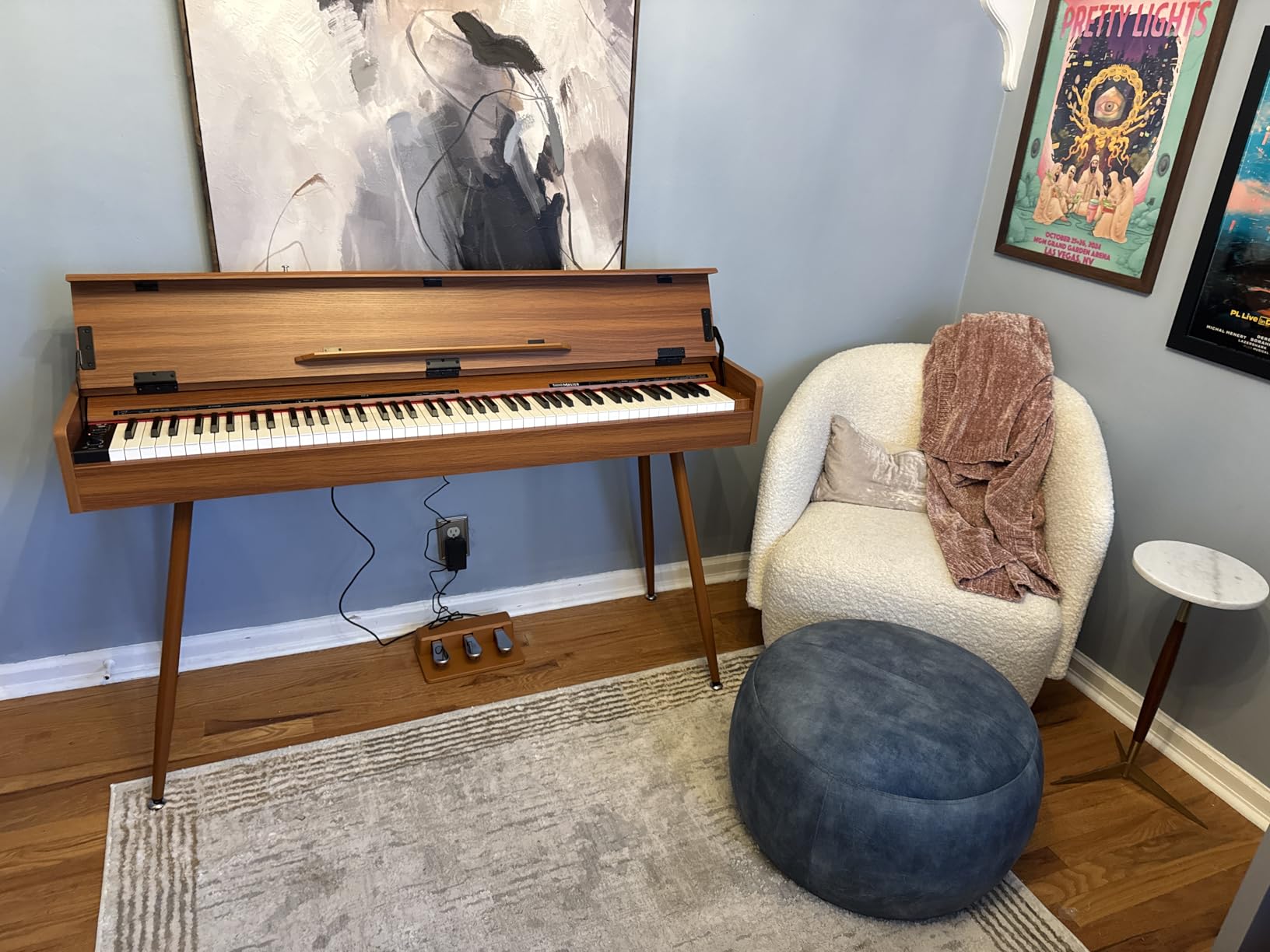
The triple pedal means the sostenuto and soft pedals are available for classical study, which normally means an extra purchase. That alone puts it ahead of most instruments in its price region.
It converts between desk and vanity styles, so a student can fold it away when the room needs to be a room.
Where it falls short
Eight tones is a narrow palette. There is no realistic variety of piano voices, so a student who wants to compare a bright grand with a warm upright cannot.
The wood-finish cabinet adds weight for its size, and the French Dream5704 chip is a basic sound source. Practise through the headphone jack rather than the internal speakers if you own headphones.
12. STRICH SDP-120: The Cheapest Way Onto Weighted Keys
STRICH 88 Keys Weighted Keyboard with Sustain Pedal, Hammer-Action Digital Piano, 2x15W Built-In Speakers, Full-size Electric Piano Keyboard Supports USB-MIDI/Wireless Connect, SDP-120
Fully weighted hammer-action 88 keys
128-note polyphony
2x15W speakers
Wireless MIDI
9.3 kg
Pros
- Lowest-cost route to a full 88-key weighted action
- Large tone rhythm and demo library for the money
- Wireless MIDI and USB for apps and recording
- Lightweight slim body suits small spaces
Cons
- Owners rate it lower than the other models here
- Key feel and speaker tone are thinner than premium actions
- Only a single sustain pedal is included
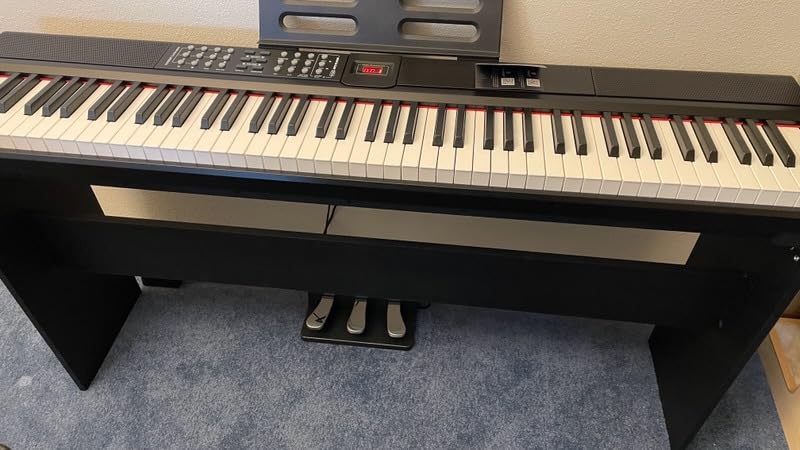
The SDP-120 is the budget floor of this roundup and it should be treated as an entry point rather than a study instrument. Its selling point is simple: this is the lowest-cost way in this list to get 88 fully weighted hammer-action keys, which is a better foundation than a semi-weighted or unweighted keyboard at a similar spend.
Reviewers cluster around features per cost. You get 128-note polyphony, 128 tones, 200 rhythms, 110 demo songs, 2x15W speakers, wireless MIDI and USB and audio inputs, and a sustain pedal in the box.
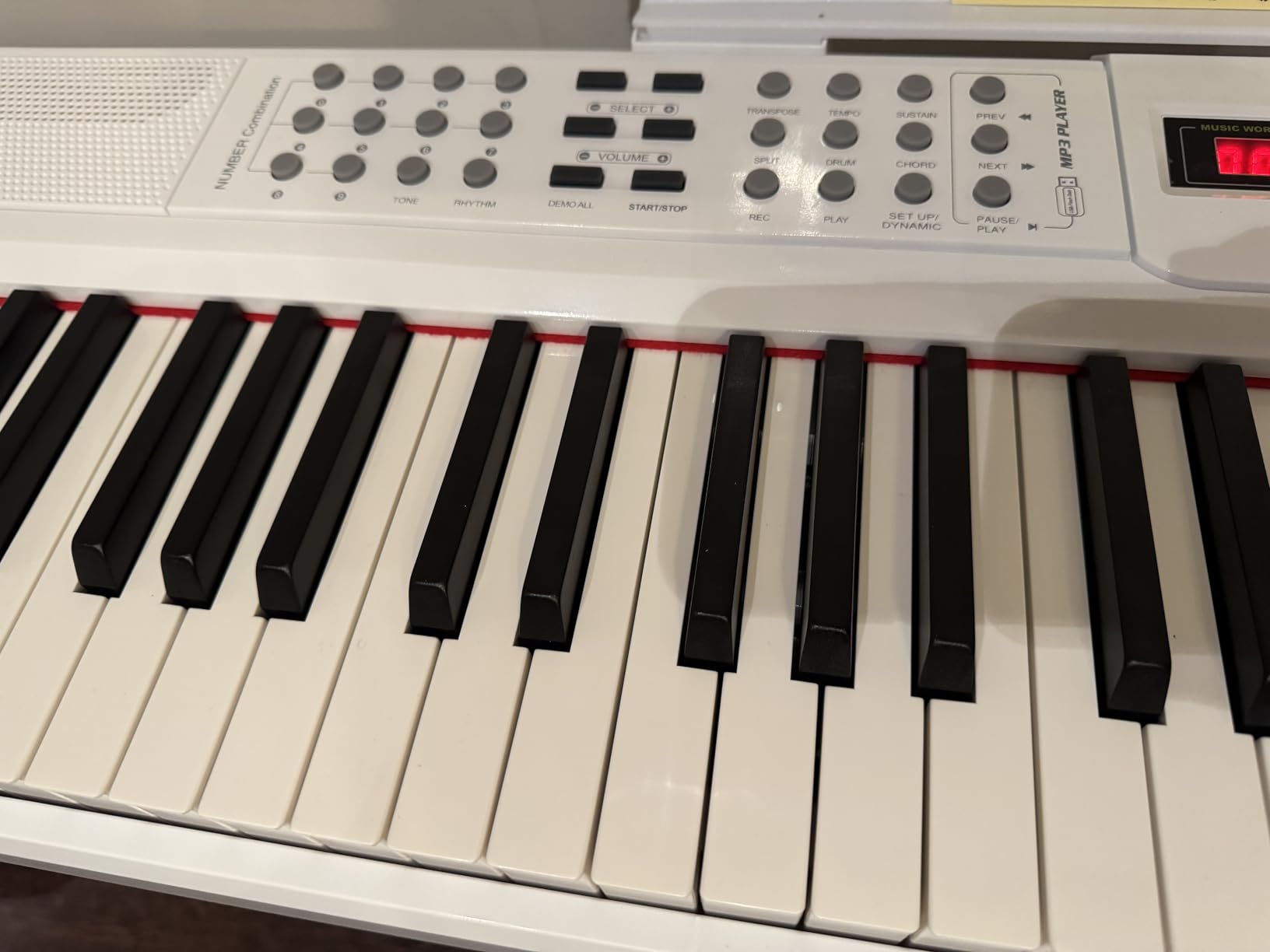
At 4.2 average across 536 ratings, this is the lowest-rated model in the group and it draws more critical reviews than the others. The specific complaints are consistent: key feel and speaker tone are thinner than on premium weighted keyboards, and more owners report one-star experiences.
Those who move up quickly tend to name the action and the speakers as the limits. For a student who might move up within a year, that is a wasted purchase rather than a sensible step.
Best as a short-term or shared instrument
At 9.3 kg and 4.33 inches deep it is easy to move, easy to store, and works in a room where nothing else fits. For a second instrument in a family, or a temporary bridge while a school one is arranged, it does a real job.
Wireless MIDI lets a student connect to an app without cables, which is more than many entry instruments at a similar spend manage.
Where it falls short
Thin key feel and thin speaker tone are the honest limits. A classical student doing serious repertoire work will feel the difference between this action and a graded hammer action within weeks.
Only a single sustain pedal is included, so sostenuto and soft pedal study needs extra purchases, and the one-year warranty is the shortest in this roundup.
How to Choose a Weighted Keyboard for Classical Study?
Most of the decision is made by four things: key action, key count, pedals, and how long the student will keep it. Everything else on the spec sheet is secondary for classical study. Here is the order I would work through, and the order I would ask questions in a shop.
1. Confirm 88 full-size weighted keys. No exceptions. Classical repertoire from Bach onward assumes the full compass, and a 61-key instrument forces octave transpositions that break fingering and hand position habits. If the budget only stretches to 61 keys, buy a better unweighted keyboard and wait rather than buying a compromised weighted one.
2. Check the action is graded, not just weighted. Graded means the weight changes from note to note, heavier in the bass and lighter in the treble, matching an acoustic. A uniformly weighted action is better than nothing but does not train the same balance. Every keyboard in this roundup is graded or described as hammer action; the depth of modelling varies and you can hear it in slow, quiet playing.
3. Decide about pedals. One pedal, or three with sostenuto and soft? A three-pedal unit is not an advanced-player luxury. Sostenuto lets a student hold a bass note while the harmony above changes, which is the cleanest way to voice a Bach chorale, and the soft pedal opens the point of contact between hammer and string, which is how a teacher teaches shading. Four of the twelve models here include three pedals as standard.
4. Judge the sound engine on the piano voice only. Ignore the synth presets. A student needs one convincing piano voice that responds to touch across its full range. Sampling-based engines such as Yamaha’s CFX on the DGX-670 or Roland’s SuperNATURAL capture string resonance and release behaviour that cheaper modeling engines smooth over. Headphones reveal far more than the built-in speakers.
5. Check polyphony without looking it up. Play a thick passage with the sustain pedal down and listen for dropped or fading notes. For a classical student, anything under 128 notes is thin, and several entry instruments in this roundup manage only 64. Bach’s Chromatic Fantasia or a thick Chopin passage will expose the difference quickly.
6. Look at connectivity only if your student uses apps. Bluetooth MIDI and USB to Host let a student run learning software and record practice takes. If the plan is books and a teacher, this can wait. If the plan includes an app-based method, buy for it from the start rather than planning to add it later.
7. Budget for the furniture, not just the piano. Most slab instruments include neither a stand nor a bench, and sometimes not even a sustain pedal. A portable digital piano on a kitchen table teaches bad posture, and forum discussion about this problem is constant. Budget for a height-adjustable stand and a bench with the instrument rather than after it. Our guide to comfortable everyday setups for long sessions covers the same principle in a different room.
What weighted, semi-weighted and unweighted actually mean
Unweighted keys are the spring-loaded keys found on synthesisers. They are cheap, light and responsive, and they teach nothing about resistance. A student who learns on one will develop a flat, wrist-heavy touch that has to be corrected later.
Semi-weighted keys add a mass to the lower register without full hammer simulation. The transition from light to heavy is present but the whole keybed feels different from an acoustic in a way that can take a year to unlearn.
Fully weighted hammer action simulates the mechanical chain of lever, hammer and string. Grading, let-off and escapement are the details that separate a good action from a great one, and they are audible in legato phrasing before they are visible on a spec sheet.
88 keys versus 61 keys
88 keys. That is the short answer for classical study and there is no good argument against it once repertoire starts. A 61-key instrument is fine for learning note names and for pop playing, and it is the wrong tool for a student who will be assigned anything from Bach’s Minuet in G to a Beethoven sonata.
The compromise case is a child under nine who is not yet reading two staves. In that situation a 61-key unweighted keyboard is acceptable for six months, followed by a move to 88 weighted keys. Buying the unweighted instrument first and the weighted one second costs more overall than buying weighted once.
Key noise and small-space practice
Heavier actions are louder, and this is the constraint nobody mentions until the student starts practising at nine in the evening. Three things help. Headphones through a good 3.5mm or 6.35mm jack cut the acoustic noise substantially, since the sound is in the room not in the signal. Felt or rubber pedal pads remove the thump from pedal return. And a rug or a padded mat under a slab instrument reduces the floor transmission that neighbours complain about. Our notes on keeping a shared household comfortable through long daily routines address the same problem in a different room.
Among these twelve, the Roland FP-10’s quieter action and the Donner OURA S100’s relatively light grading are the two that suit small flats best. Heavier actions like the one in the Yamaha DGX-670 and the Donner DDP-80 transmit noticeably more through the floor.
What the whole setup really costs
Budget as though the piano is the starting point rather than the total. Beyond the instrument you will want a height-adjustable stand, a bench, headphones, a sustain pedal if the included one is thin, and a metronome your teacher asks for anyway. For long practice sessions, comfort matters as much as the instrument; our notes on making long daily practice easier to sustain come from the same problem in a different form.
Two models here bundle most of that: the Roland FP-40 includes a stand, bench and pedal, and the STRICH SDP-400 includes a stand, headphones and a three-pedal unit. Those two are the least expensive routes to a complete setup.
One hidden cost runs the other way. A digital piano never needs tuning, and it has no strings to replace. Across a four-to-eight year study period that is real money a family does not spend, which partly offsets a higher purchase price.
Semi-Weighted vs Fully Weighted Keys for Classical Repertoire
A semi-weighted keyboard is good enough for classical music only for a limited time, and the limit is easy to name: it is good enough for the first year or two of study and not after that.
The regret is well documented on Music Stack Exchange and in student forums, where the common account is buying an 88-key semi-weighted instrument without researching the key weight and discovering the problem only when a teacher pointed it out. The regret is rarely about the price. It is about the technique.
Here is the honest breakdown. Semi-weighted keys are lighter, which means less finger strength is required. That is genuinely helpful for a child under ten, whose fingers tire before the music is finished. Semi-weighted keys also cost less, which makes them a reasonable bridge instrument for six months.
What they do not do is build the resistance that balances a hand. Classical legato depends on controlling a key through its full travel with a relaxed arm. Without resistance the student learns to press and release rather than to weight and release, and that habit is the single most common reason students stall when they move to a real piano.
My recommendation follows the repertoire rather than the age. Bach, Mozart and early Beethoven can be worked on semi-weighted keys, so a first-year student will not be short-changed. Chopin, Debussy, Liszt and anything requiring fast repeated notes or wide dynamic jumps need fully weighted graded hammer action, because those pieces are played with weight differences between notes rather than with touch alone.
So the rule is simple. If the student is under ten and has never played a weighted keyboard, a semi-weighted instrument is a reasonable first step. From that point on, move to fully weighted graded action and stay there. Where practice time is the sticking point rather than technique, our guide to calming a routine that has become hard to keep is worth a read.
Frequently Asked Questions
What is the best weighted keyboard for learning piano?
The Yamaha P-71 is the best weighted keyboard for most classical students. Its 88-note graded hammer action gives resistance that trains finger strength and dynamic control, the Yamaha grand voice carries real dynamic range, and 6655 ratings averaging 4.7 show it holds up over years of daily practice. Students who care most about key feel above all else often prefer the Roland FP-10 instead.
Which weighted keyboard feels like a real piano?
The Roland FP-10 is the model experienced players most often name, thanks to its 88-note Authentic Acoustic Feel keyboard with ivory-feel keytops and the responsive SuperNATURAL engine. Among the instruments here, the Yamaha DGX-670 is the strongest on sound realism because of CFX grand sampling with string resonance. Feel and sound are separate qualities, and the instrument that wins on one does not always win on the other.
What are the best keyboards for classical piano?
Every keyboard in this roundup has 88 full-size weighted keys, a sustain pedal and a Yamaha, Roland, Donner, STRICH or UISCOM action. The Yamaha P-71 is the best all-rounder, the Roland FP-10 the best on touch, the Yamaha DGX-670 the best on sampled grand tone, the Donner DDP-80 and STRICH SDP-400 the best on three-pedal support, and the Roland FP-40 the best ready-to-play bundle.
Should a beginner get a 61 or 88 key keyboard?
If the student is learning classical repertoire, get 88 keys. A 61-key instrument forces octave transpositions that break the fingering and hand positions classical technique depends on. A child under nine who is still reading note names can start on an unweighted 61-key keyboard for six months, then move to 88 weighted keys. Buying both costs more than buying weighted once.
Is a semi-weighted keyboard good enough to play classical music?
For a first year or two, yes. Semi-weighted keys are lighter and cheaper, which helps a child under ten whose fingers tire quickly, and Bach and early Mozart can be worked on them. From that point on, fully weighted graded hammer action is needed, because classical legato depends on controlling a key through its full travel against real resistance.
How many keys do I need for classical piano?
Eighty-eight, with no compromise. Classical repertoire from Bach onward assumes the full compass, and the standard digital piano is 88 weighted full-size keys. Polyphony matters too: play a thick passage with the sustain pedal down and listen for fading notes, and treat anything under 128 notes as thin for classical study.
Do I need a 3-pedal keyboard for classical music?
Not in the first year, but you will need it eventually. The sostenuto pedal holds a bass note while the harmony above changes, which is how a chorale is voiced cleanly, and the soft pedal opens the point of contact between hammer and string for shading. Four models in this roundup include a full three-pedal unit as standard: the Donner DDP-80, the Donner OURA S100, the STRICH SDP-400 and the UISCOM 1852.
Which Weighted Keyboard Should Your Classical Student Choose?
Buy the Yamaha P-71 for a student starting lessons and staying on weighted keys for the next four years. It has the most-used action in this roundup, the most ratings behind it, and a Yamaha grand voice that rewards Bach as much as it rewards pop songs.
Buy the Roland FP-10 if the deciding factor is how the keys feel under the fingers, or if your child uses a learning app. Buy the Yamaha DGX-670 if the student is already advanced and preparing for an audition where tone will be judged. Buy the Donner DDP-80 or the STRICH SDP-400 if three pedals matter to the teacher, and the FP-40 if you want everything in one box on day one.
Whatever you choose, test the instrument at proper playing height before you commit, and check the return policy. Key feel is subjective in a way that no spec sheet can predict, and a student who dislikes the keys will not practise on them. If two people share the practice hours, our notes on keeping a shared room comfortable between practice sessions are about the same trade-off.
Whatever happens, do not buy unweighted or 61-key keys for a classical student to save money now. That is the one shortcut in this article that reliably costs more later.